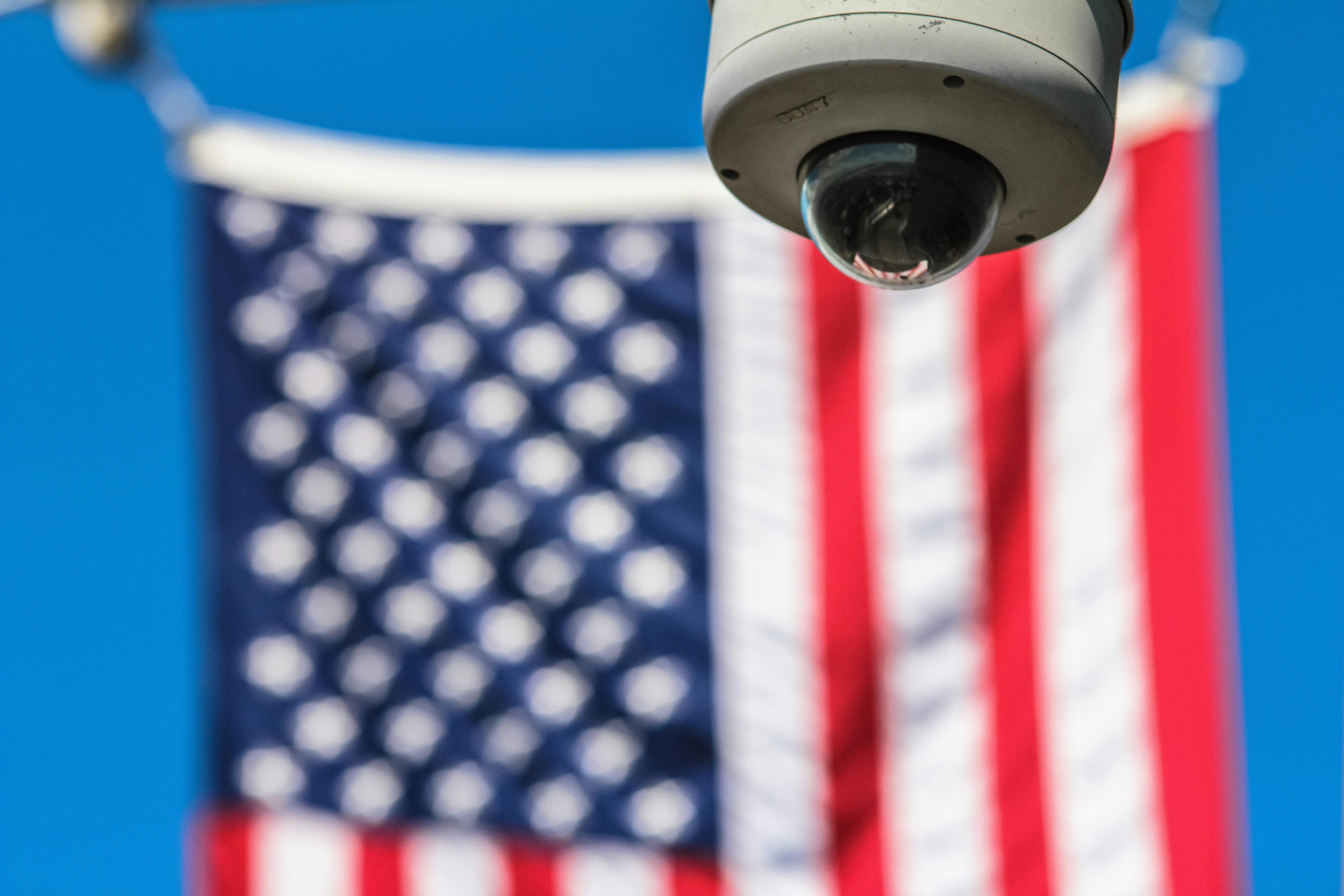
The Department of Homeland Security (DHS) has issued a series of administrative subpoenas to major technology companies, including Google, Meta, Reddit, and Discord, seeking the identities of individuals who have publicly criticized the Immigration and Customs Enforcement (ICE). These subpoenas, which do not require judicial review, have raised concerns about government overreach and the protection of free speech.
In the past year, the DHS has reportedly sent hundreds of these subpoenas, targeting anonymous social media accounts that have either criticized ICE or shared information about the agency’s operations in local communities. According to a February 14, 2023 report by the New York Times, the DHS has sought names, email addresses, and other identifying information linked to these accounts. While Google, Meta, and Reddit have complied with some requests, Discord has not publicly confirmed its actions.
One notable aspect of these subpoenas is that the DHS does not need to provide probable cause or specify a crime. In one instance, a subpoena sent to Google left the section for the suspected violation entirely blank. Google complied with the request the same day it informed the user, effectively minimizing any chance for legal challenge.
Legal and Community Reactions
The Electronic Frontier Foundation (EFF) has urged tech companies to demand court orders before releasing user data, as the DHS’s subpoenas have frequently been withdrawn when challenged in court. The EFF’s open letter, sent to ten major platforms on February 10, 2023, highlighted the potential for abuse of these administrative powers.
In one case involving a community organization in Montgomery County, Pennsylvania, the DHS issued two subpoenas to Meta for the identities behind accounts that posted alerts about ICE sightings. The legal citation referenced was intended for customs investigations, not immigration enforcement. Meta notified the account holders 22 days later, giving them only ten days to contest the subpoenas in court. The American Civil Liberties Union (ACLU) of Pennsylvania successfully filed a motion to quash the subpoenas, leading to their withdrawal before judicial review.
ACLU attorney Steve Loney commented on the situation, noting that the government appears to be taking “more liberties than they used to,” highlighting a troubling trend of increased frequency and reduced accountability in the use of such legal tools.
Escalating Tensions and Broader Implications
The subpoenas are part of a broader strategy by DHS officials, including Attorney General Pam Bondi and Secretary Kristi Noem, who have pressured tech companies to censor content related to ICE. In October 2025, Bondi publicly stated her demands to Apple to remove an ICE-tracking app called ICEBlock from its App Store, which Apple subsequently complied with, citing “information from law enforcement about safety risks.”
This pattern of government pressure has led to lawsuits. On February 11, 2023, the Foundation for Individual Rights and Expression filed a federal lawsuit against Bondi and Noem, alleging violations of the First Amendment for coercing tech companies into censoring protected speech. Kae Rosado, the founder of a Facebook group focused on ICE activities, stated, “They silenced not only my voice, but the voices of nearly 100,000 other community members.”
The implications of these actions raise questions about the balance between national security and individual rights. The ACLU’s ongoing litigation seeks to address these concerns, as the DHS’s approach continues to draw scrutiny. Legal experts worry that the widespread use of administrative subpoenas without judicial oversight could set a precedent for further government encroachment on personal freedoms.
As the situation evolves, advocacy groups and community organizers remain vigilant, pushing back against what they see as an alarming trend. Whether these recent actions will lead to significant legal challenges remains to be seen, but the potential for governmental overreach is increasingly evident in the digital age.