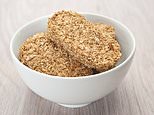
Weetabix, a staple in many households, has sparked a debate about its health benefits and how it is consumed. While often regarded as a wholesome breakfast option, recent discussions have raised questions about its nutritional value and potential drawbacks. Understanding how to properly incorporate Weetabix into one’s diet can transform this breakfast classic into a more balanced meal.
Understanding Weetabix’s Nutritional Profile
Originally developed in the 1920s by Australian entrepreneur Bennison Osborne, Weetabix was designed as a nutritious breakfast cereal. After struggling in Australia, it found success in the UK and has since become one of the country’s best-selling cereals. Each serving consists primarily of compressed wholegrain wheat, along with small amounts of malted barley extract, sugar, and salt, and is enriched with essential vitamins and minerals.
Despite its wholesome image, Dr. Duane Mellor, a Registered Dietitian and Senior Lecturer at Aston Medical School, highlights that Weetabix has its limitations. “There are several nutritional positives to Weetabix,” he explains. “It is high in fibre and has lower sugar and salt levels compared to many other cereals.” However, he cautions that the manufacturing process makes the starch more readily digestible, which can lead to a quicker rise in blood sugar levels.
Fibre Content and Satiety
One of the notable strengths of Weetabix is its fibre content. Two biscuits provide approximately four grams of fibre, which accounts for about 13 to 15 percent of an adult’s recommended daily intake. This fibre primarily consists of insoluble fibre, which aids digestion and adds bulk to stools. For individuals struggling to meet their fibre needs, particularly those with limited vegetable intake, Weetabix can be a beneficial choice.
However, it lacks the higher levels of soluble fibre found in foods such as oats and legumes. Soluble fibre is known for its ability to absorb water and form a gel in the gut, which slows digestion and helps maintain steady blood sugar levels. Consequently, Weetabix may not keep individuals feeling full for as long as other cereals that are richer in soluble fibre.
Weetabix is very low in fat, with two biscuits containing less than one gram of fat. This aligns with public health guidelines, which recommend limiting saturated fat to reduce the risk of heart disease. Yet, meals low in fat can lead to quicker gastric emptying, potentially resulting in earlier feelings of hunger.
Calories, Sugar, and Blood Sugar Impact
In terms of caloric content, two Weetabix biscuits contain around 136 calories, making them a relatively low-calorie breakfast option. Most of these calories derive from carbohydrates, with minimal protein or fat. This composition can influence satiety, as the combination of carbohydrates with protein and fat is more effective at promoting fullness. According to research, meals rich in protein and fat can slow digestion and help manage appetite.
When it comes to sugar content, Weetabix is relatively low, with two biscuits containing approximately 4.4 grams of sugar, primarily from malted barley extract. The salt content is also modest, approximately 0.2 grams per two biscuits. However, adding sweetened plant milks or syrups can quickly elevate the sugar content of a Weetabix meal.
The processing of Weetabix does affect blood sugar levels. The milling process makes the carbohydrate more accessible for digestion, giving Weetabix a medium to high glycaemic index (GI). While this may lead to a short-lived spike in blood glucose for healthy individuals, those with conditions like diabetes should be cautious. Combining Weetabix with protein, fat, or fibre can help mitigate rapid blood sugar increases.
Enhancing Nutritional Value
To maximize the health benefits of Weetabix, experts recommend pairing it with foods that provide additional protein and healthy fats. Adding ingredients such as yogurt, nuts, or seeds can transform a bowl of Weetabix into a more balanced meal. Dr. Mellor emphasizes the importance of including both fibre and protein for a satisfying breakfast experience.
While traditional Weetabix remains a nutritious choice, flavored versions like Weetabix Minis or chocolate chip varieties tend to be higher in sugar and calories. These options should be consumed sparingly and not as everyday staples.
In summary, Weetabix can be a healthy addition to a balanced diet when consumed with appropriate accompaniments. By making simple adjustments, individuals can enhance its nutritional profile and enjoy a more satisfying breakfast experience.