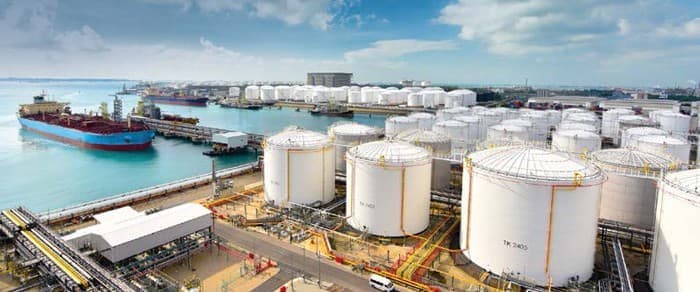
Europe is grappling with a complex shift in its energy landscape as it seeks to reduce its reliance on Russian oil and gas. The region, which historically depended on Russia for approximately 40 percent of its natural gas, is now facing new geopolitical challenges from both the United States and China. Following Russia’s illegal invasion of Ukraine in February 2022, European leaders have been pushed to reassess their energy strategies, leading to a profound recalibration of energy supply chains.
In the latest development, European leaders reached an agreement to halt imports of Russian gas, although this total ban will not take effect until next year. The urgency of this shift has prompted Europe to rapidly expand its renewable energy capacity. However, this aggressive transition has resulted in significant pressures on energy security, manifesting as strain on power grids and heightened volatility in electricity prices.
To mitigate these challenges, Europe has increasingly turned to imports of liquefied natural gas (LNG) from the United States. While this strategy was initially seen as a prudent move, it now raises concerns regarding European sovereignty and long-term resilience. The German Council on Foreign Relations recently highlighted that Europe’s energy security is being reshaped by the evolving dynamics of global power, with energy resources now being leveraged as tools of influence rather than mere commodities for cooperation.
The report underscores a broader trend in global geopolitics, suggesting a shift toward protectionism and nationalistic energy policies. As the United States seeks to establish itself as the dominant energy provider, Europe risks becoming caught in a geopolitical tug-of-war between the world’s two largest economies. The Council warned that the United States may pursue aggressive actions, such as seeking control over energy resources in places like Greenland, potentially sidelining its European allies.
European leaders are keenly aware that the alternative—growing closer to China—presents its own set of risks. As a result, the Council recommends that Germany and other European nations reassess their energy strategies in light of these shifting allegiances, particularly with regard to potential dependencies on US energy.
Notably, the geopolitical context has encouraged renewed efforts for energy independence, with nine countries in the North Sea region committing to substantial offshore wind projects designed to enhance energy interconnectivity among European nations. This initiative aims to bolster energy security while maintaining trade relations with the United States. EU Energy Commissioner Dan Jørgensen stated, “We are not against trading with the US — on the contrary. But we are of course aware… that we are not aiming at replacing one dependency with a new dependency.”
The focus on diversifying energy sources and forming mutually beneficial partnerships with like-minded nations is gaining momentum across Europe. The move is intended to prevent asymmetrical dependencies that could jeopardize the continent’s energy autonomy. As Europe navigates the complexities of its energy transition, the balancing act between fostering partnerships and securing energy independence remains a critical challenge moving forward.