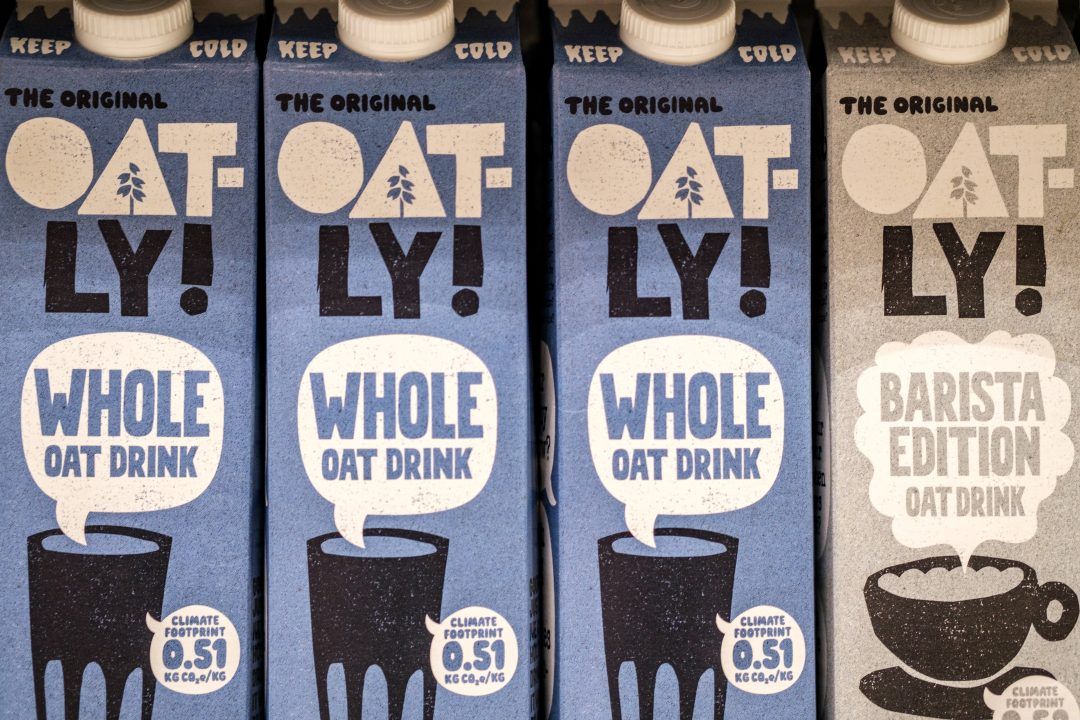
Oatly, the Swedish oat drink company, has faced a significant legal setback as the UK Supreme Court ruled that it cannot use the term “milk” to describe its oat-based products. The decision ends a protracted legal battle with Dairy UK, the trade association representing the UK dairy industry, over the validity of the trademark for the phrase “Post Milk Generation.”
The dispute began when Oatly applied in 2019 to trademark “Post Milk Generation” for its range of products, including oat milk, yogurt, and custard. While the trademark was granted in April 2021, Dairy UK contested its validity, leading to an examination by the Intellectual Property Office (IPO), which ruled in January 2023 that the trademark was invalid.
Oatly challenged this ruling in the High Court, where Mr. Justice Richard Smith initially sided with the company in December 2023. He found that the phrase did not market the products as milk. However, in November 2024, the Court of Appeal reversed this decision. Lord Justice Arnold, alongside his fellow justices, concluded that the trademark did not adequately describe a characteristic quality of the oat-based products.
The Supreme Court’s unanimous verdict confirmed the earlier ruling from the Court of Appeal. Lords Hamblen and Burrows stated, “Even if ‘post milk generation’ were to be regarded as referring to the milk-free characteristic of the contested products, that characteristic is not being described ‘clearly’.”
This ruling has significant implications for Oatly and the broader plant-based industry. The law stipulates that the designations “milk” and “milk products” can only be used for certain dairy items. This has raised concerns among advocates for plant-based products, who argue that the ruling could create an uneven playing field.
Following the decision, Bryan Carroll, general manager for Oatly UK & Ireland, expressed his disappointment. He stated, “In our view prohibiting the trademarking of the slogan ‘Post Milk Generation’ for use on our products in the UK is a way to stifle competition and is not in the interests of the British public.” He believes that the ruling creates unnecessary confusion regarding the labeling of plant-based alternatives.
The case highlights the ongoing debates surrounding labeling practices within the food industry, particularly as consumer demand for plant-based options continues to rise. As companies navigate the complexities of trademark law, the ruling serves as a reminder of the challenges faced by non-dairy product manufacturers in a market dominated by traditional dairy brands.
With the ruling now in place, Oatly will have to reconsider its branding strategy in the UK, while the dairy industry may see this as a win in its efforts to distinguish traditional milk products from plant-based alternatives. The outcome of this case could influence future legal challenges and trademark applications within the rapidly evolving food sector.