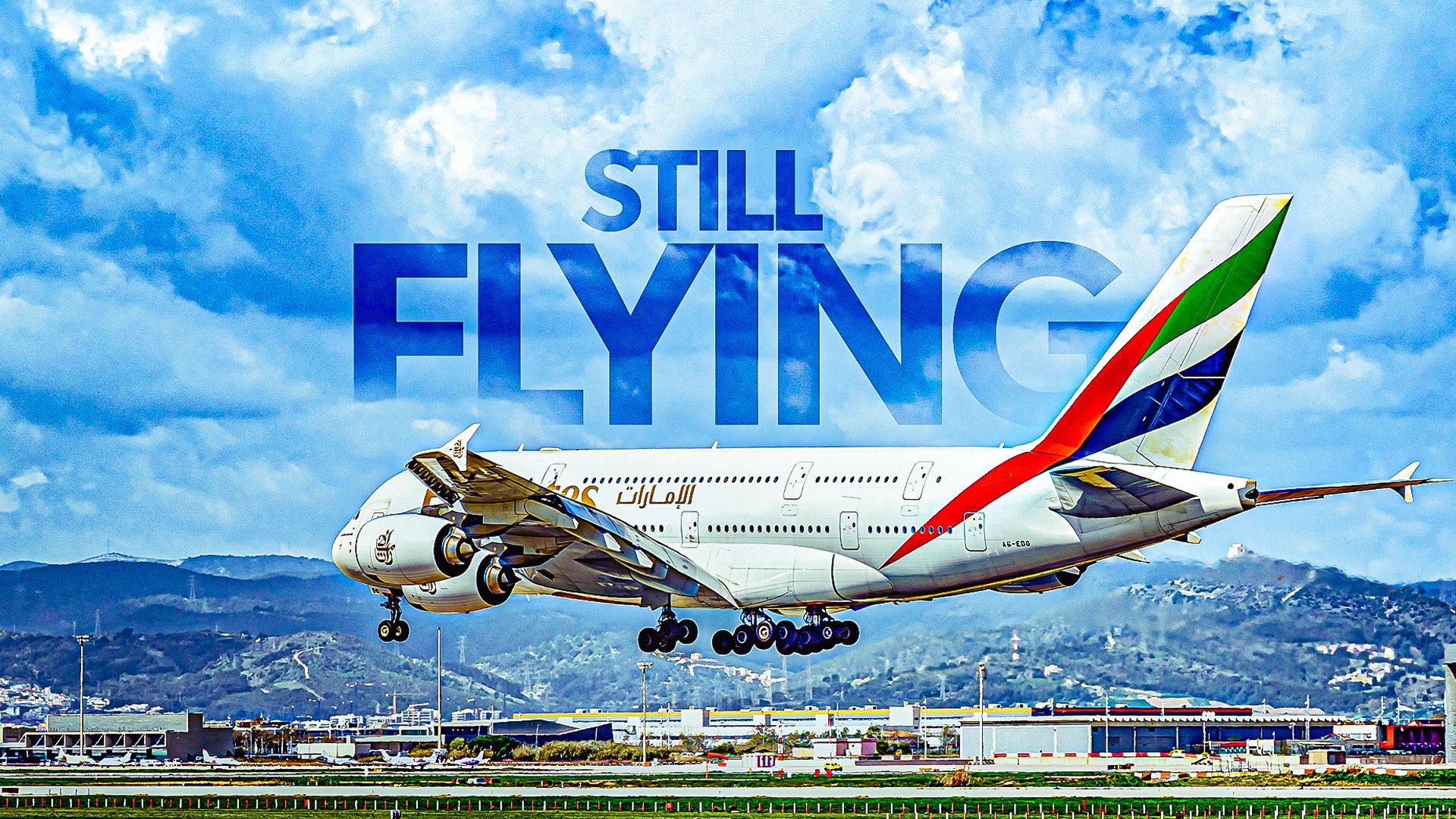
The Airbus A380 has made a surprising return to the skies, with 159 active aircraft currently operating worldwide as of March 2026. This resurgence comes despite many jets being parked in deserts during the pandemic. The focus has shifted from whether the superjumbo will survive to how many more can be reactivated to meet the growing demand for global travel. As aviation analysts track the status of the A380 fleet, it becomes clear that airlines are increasingly reliant on the aircraft to support their long-haul operations.
Current Status of the A380 Fleet
According to data from ch-aviation, the A380 fleet is now spread across 11 operators, including major airlines like Emirates and niche carriers such as All Nippon Airways (ANA). The production of the A380 ended in 2021, but many of the active jets remain relatively young, with some like ANA’s “Flying Honu” fleet averaging less than 7 years old. This suggests that for several airlines, the A380 will continue to be a key asset for at least another decade.
Cirium schedule data indicates these aircraft are utilized intensively, serving 63 airports globally throughout 2026. The primary hub for A380 operations remains Dubai, with over 20,225 one-way departures scheduled from January to August 2026. Other significant hubs include London Heathrow, Singapore Changi, and Sydney, where the aircraft’s high capacity is essential for managing constrained airport slots.
Airlines are focusing their A380 operations on high-density trunk routes, maximizing the aircraft’s capacity of 450 to over 600 seats per flight. While carriers like Etihad Airways and Qatar Airways operate smaller fleets, they are deploying the A380 with precision on high-demand routes like London and Paris.
Challenges and Opportunities for A380 Operators
The number of active A380s fluctuates due to various factors, including maintenance schedules and the hub-and-spoke operational model prevalent in regions like the Middle East and Asia-Pacific. Maintenance checks, such as C-checks and D-checks, can ground aircraft for extended periods, impacting the overall count.
Emirates, the largest operator of the A380, has stated that delays in deliveries of the Boeing 777X have prompted the airline to extend the life of its A380 fleet, aiming to keep 110 units operational by the end of 2026. Additionally, airlines like British Airways and Lufthansa have found that the A380 is essential for maximizing passenger capacity at slot-constrained airports.
As airlines adapt, the A380 is increasingly viewed not as a burden but as a crucial capacity utility. Sir Tim Clark, President of Emirates, has been a prominent advocate for the aircraft, emphasizing its importance on routes to key destinations. He noted in a 2026 interview that on certain routes, demand far exceeds available seats, underscoring the necessity of the superjumbo.
Airlines are investing in retrofitting their A380s to enhance passenger experience, with Emirates planning to retrofit over 100 aircraft with new premium economy cabins and upgraded interiors. British Airways is also committing to a fleet-wide retrofit starting in mid-2026, further affirming the aircraft’s role in their service for the foreseeable future.
While the A380’s return has been largely positive, it is not without challenges. The aircraft’s maintenance costs are rising, and parts have become increasingly difficult to source since production ceased. A major D-check can involve over 60,000 hours of labor, and numerous airworthiness directives from the European Union Aviation Safety Agency have been issued in recent years.
Additionally, the A380 requires specialized airport infrastructure due to its size, limiting its operational flexibility. This can present challenges for airlines during economic downturns, as redeploying the aircraft to secondary markets may not be feasible.
The demand for the A380 remains strong, particularly as airlines strive to offer unique amenities that smaller aircraft cannot replicate. The aircraft’s distinct features, such as onboard lounges and showers, continue to attract travelers willing to pay for premium experiences.
As the aviation landscape evolves, the A380’s longevity is tied to the industry’s ability to manage airport congestion and passenger demand. Until solutions to the slot crisis at major airports are implemented, the A380 will retain its significance in global air travel.
The future of the Airbus A380 remains uncertain, with varying retirement plans among operators. While Emirates intends to keep its fleet flying until 2041, other airlines like Korean Air and Lufthansa are preparing for retirements in the late 2020s. As the aviation industry navigates this transition, the A380 stands as a powerful symbol of capacity and operational necessity in an ever-changing market.