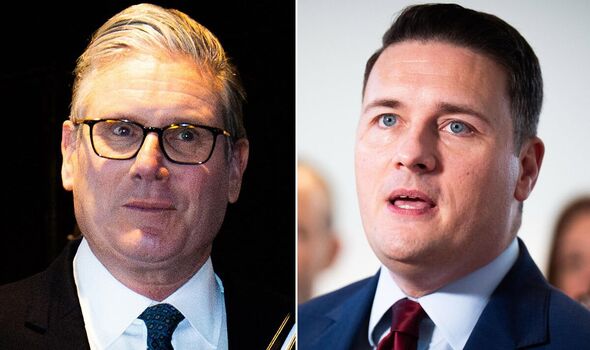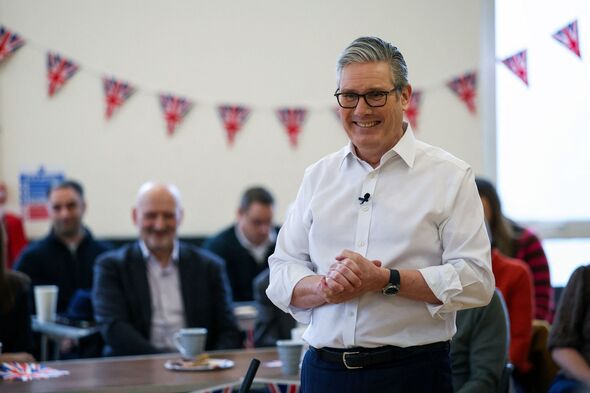
Voter dissatisfaction is mounting against the Labour Party, as recent polling indicates that only 24% of the electorate supports Keir Starmer remaining in office. This figure, reported by YouGov on October 18, 2023, reflects a broader sentiment among voters who are increasingly frustrated with the current political landscape. Many are advocating for an immediate general election, as evidenced by a parliamentary petition that has garnered over one million signatures, compelling Parliament to debate the issue.
Public opinion suggests a significant disconnect between Labour’s leadership and the electorate’s desires. According to a study by Ipsos, around 71% of respondents believe the country is heading in the wrong direction. Labour ministers have claimed that voters are eager for the party to focus on its agenda, yet the overwhelming response indicates that the public is instead craving more dynamic political change.
Calls for New Leadership Intensify
The Labour Party’s current polling performance is troubling, with projections indicating the party could secure less than 20% of the vote if an election were held today. In contrast, the Reform Party appears poised to gain a substantial majority. This stark reality has led to accusations that Labour ministers are attempting to manipulate public sentiment by downplaying calls for change.
The metaphor of a sinking ship is increasingly applied to the Labour Party’s situation. Just as the Titanic faced a catastrophic disaster after hitting an iceberg, Labour is perceived as struggling to navigate its internal chaos. The party’s leadership is under scrutiny, with many questioning how effectively it can steer the country away from its current trajectory.
Critics argue that the leadership’s attempts to maintain stability are failing. The ongoing political drama has led to a narrative where the electorate is left feeling that the Labour government is not only ineffective but also in dire need of a complete overhaul. The historical precedent shows that prime ministers rarely leave office voluntarily; most are removed due to electoral defeat or party decisions.
The Future of Labour and Its Leadership
As the political landscape continues to shift, the question remains: how long can Starmer retain his position? The sentiments of the electorate suggest that many are ready for a new direction. The narrative surrounding Labour indicates that voters are yearning for a fresh approach, one that avoids the chaos and instability that has characterized recent years.
If the Labour Party is to regain the trust of the public, it may require new leadership that can effectively address the pressing concerns of the electorate. A significant leadership change could facilitate a more coherent strategy and potentially restore faith in the party’s ability to govern.
In summary, as calls for change grow louder and voter dissatisfaction deepens, the Labour Party faces a critical juncture. The implications of these developments could reshape the political landscape in the United Kingdom, compelling Labour to rethink its strategy or risk further alienating its base. With the stakes at such a high level, the coming months will be pivotal for the party’s future and its leadership.