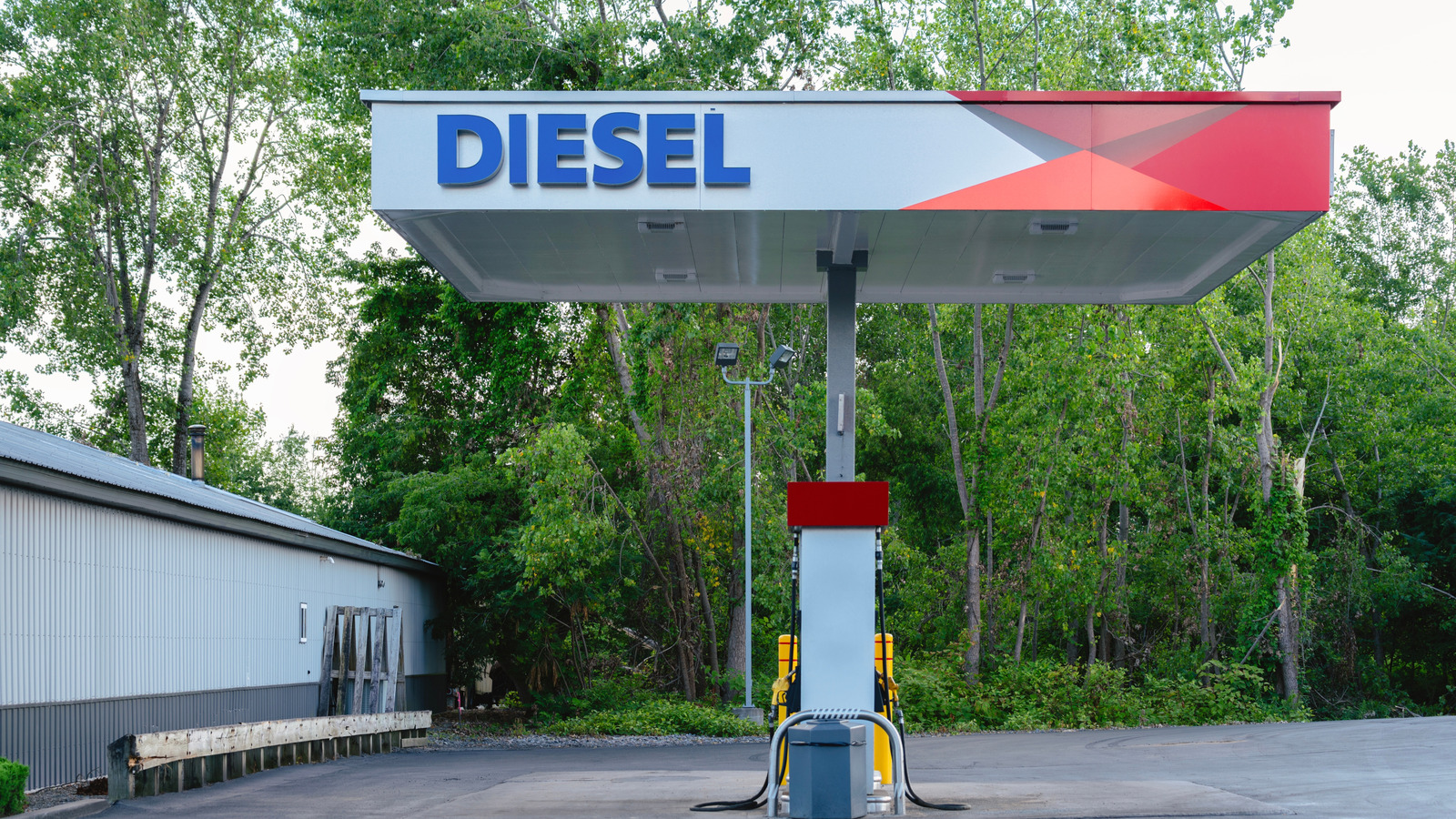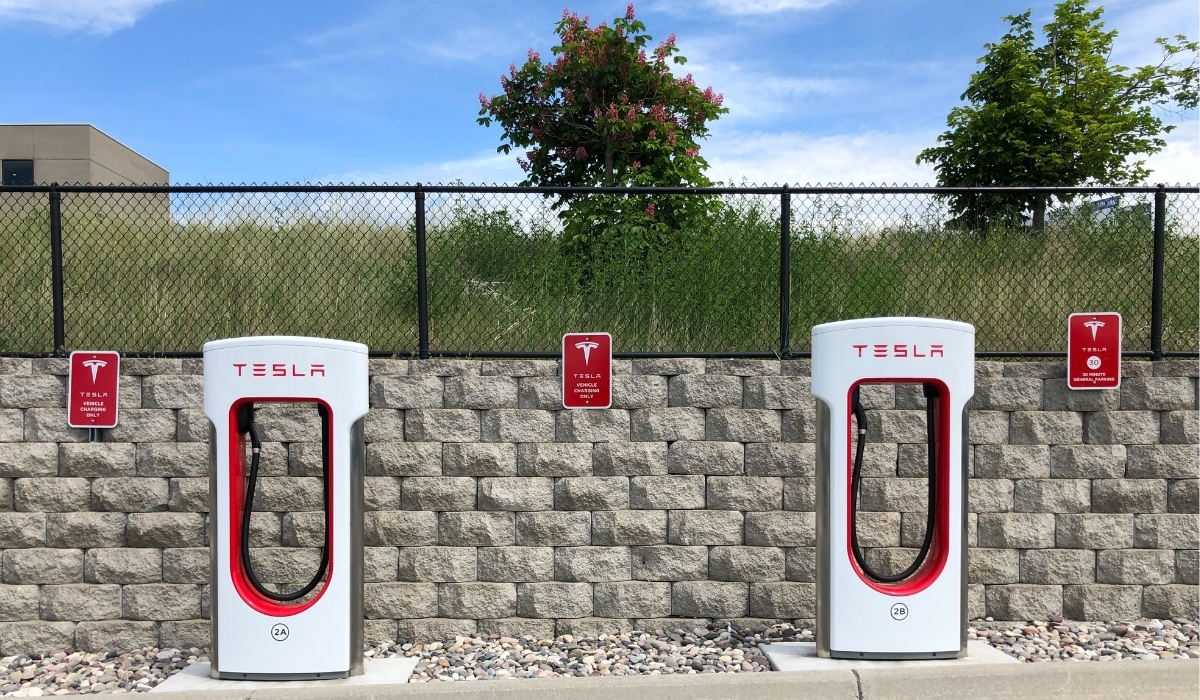
Tesla will receive approximately $165 million in incentives from California aimed at promoting cleaner commercial vehicles. This funding comes through the state’s Hybrid and Zero-Emission Truck and Bus Incentive Project (HVIP), which supports the adoption of its all-electric Semi truck. The initiative is designed to encourage fleet operators to choose electric vehicles over traditional diesel-powered trucks, providing significant financial incentives to facilitate this transition.
Business reactions have been overwhelmingly positive as the prospect of substantial financial backing influences purchasing decisions. Tesla’s position in the zero-emissions trucking market is reinforced by the limited competition in the sector. Other manufacturers participating in the HVIP program, such as New Flyer, have received significantly less funding, underscoring Tesla’s dominant position.
Understanding the HVIP Program’s Role
The HVIP program, overseen by the California Air Resources Board, was established in 2009 to accelerate the adoption of low- and zero-emission trucks and buses. Since its inception, the program has distributed over $1.6 billion in funding, with allocations granted based on voucher reservations. For the Tesla Semi, the incentive amounts vary between $84,000 and $351,000 per vehicle, depending on model eligibility and data adjustments. State officials have clarified that funding is only disbursed after a vehicle receives approval certification and confirms delivery.
Tesla’s ability to secure the largest share of HVIP incentives can be attributed to its strategic approach. The company submitted nearly 1,000 voucher applications during the latest funding round, a number that dwarfs the allocations of its competitors. For instance, New Flyer has secured around $68 million in funding. Tesla’s market advantage is further enhanced by the scarcity of Class 8 zero-emission trucks available for fleet purchase, enabling the company to become a leading recipient in the first-come, first-served program. A spokesperson for Tesla remarked, “This funding will support faster adoption of clean trucking across California,” which is likely to provide additional confidence for fleet operators considering the transition to electric vehicles.
Next Steps for Tesla’s Semi Production
Certification of qualifying vehicles is crucial for HVIP funding eligibility. In the last voucher application window, only the 2024 model year for the Tesla Semi was fully documented, with certification for later models still pending. As Tesla gears up for mass production, CEO Elon Musk has indicated that customers can expect broader deliveries upon final approval. He stated, “We remain committed to delivering the Semi at scale as soon as possible.” Once these milestones are achieved, the disbursement of public incentives can commence, further influencing electric fleet adoption throughout the region.
California’s significant investment in electric trucking highlights the importance of incentive programs that encourage clean technology adoption in transportation. Readers interested in the commercial electric vehicle sector should be aware that voucher-based initiatives like HVIP could intensify competition among manufacturers during funding cycles, particularly when availability and certification processes are limited. Compared to previous periods filled with uncertainty, Tesla’s current standing illustrates how market readiness, product availability, and regulatory approval can shape access to public incentives.
For fleet managers, this scenario emphasizes the importance of acting promptly during voucher reservation windows and staying informed about certification statuses. Tesla’s achievements within the HVIP program signify a crucial step towards a more sustainable transportation future in California.