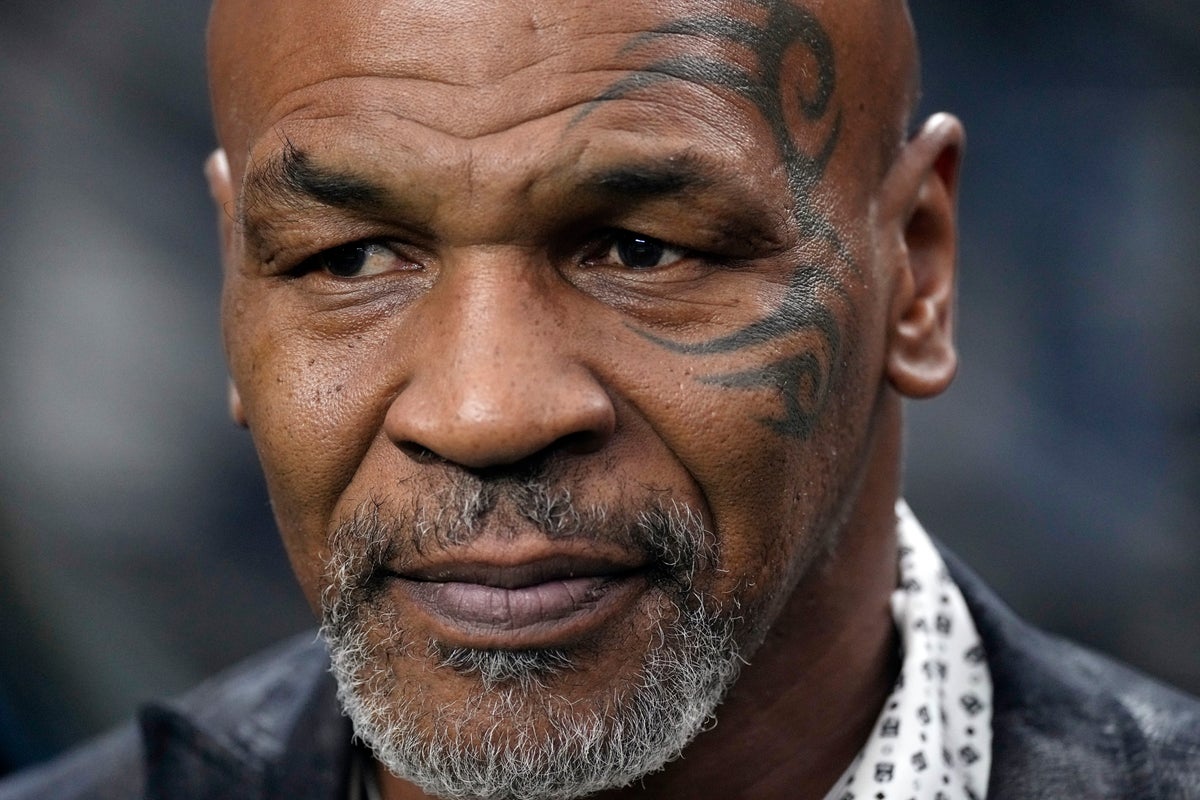
Boxing legend Mike Tyson featured prominently in a powerful Super Bowl advertisement that addressed his struggles with junk food addiction and advocated for healthier eating choices. The ad has garnered significant attention, particularly from Robert F. Kennedy Jr., the Secretary of Health and Human Services, who praised its message during an interview on Fox News. He described the advertisement as “extraordinarily powerful” and emphasized its importance, calling it “the most important ad in Super Bowl history.”
Kennedy highlighted the detrimental impact of junk food on Americans, referring to it as a form of “spiritual warfare” that has led to “ruinous” effects on public health. In the advertisement, Tyson shares his personal journey, including the devastating loss of his sister to obesity-related complications and his own battles with weight. “I was so fat and nasty, I would eat anything,” he states in the black-and-white footage, revealing that he once weighed as much as 345 pounds.
Tyson’s involvement in the ad was initially scripted, but he quickly pivoted to discussing his real-life experiences with food. His candid remarks are interspersed with visuals of him consuming fresh fruit, underscoring the ad’s message about the importance of healthy eating. “Something has to be done about processed food in this country,” Tyson adds, directing viewers to RealFood.gov, a resource launched by the Trump administration that outlines revised healthy eating guidelines.
The advertisement is sponsored by MAHA Center Inc., a governmental advocacy group recognized for its alignment with Kennedy’s initiatives. The organization is led by Tony Lyons, a close ally of Kennedy, who also manages fundraising efforts for MAHA.
While some experts have applauded the administration’s focus on whole foods, there are concerns regarding the ad’s approach. Lindsey Smith Taillie, an associate professor of nutrition at the University of North Carolina’s Gillings School of Global Public Health, expressed reservations about the ad’s underlying message. “The emphasis on shame might be counterproductive,” she commented, suggesting that individual shame is not an effective strategy for promoting healthier eating habits.
The discussions surrounding the advertisement extend to the new food pyramid presented by the administration, which advocates for the reduction of processed foods. Susan Mayne, a professor of epidemiology at Yale School of Public Health, noted that the inverted pyramid places significant emphasis on meat, dairy, and butter, while not adequately representing plant-based proteins like beans. “This pyramid conveys a shaky foundation, which is ironically consistent with some of the underlying science,” she remarked.
As the debate around nutritional guidelines continues, Tyson’s ad has sparked a broader conversation about food choices and public health, highlighting the urgency of addressing junk food addiction in America. The ad’s emotional appeal and Tyson’s personal testimony resonate with many, potentially leading to increased awareness about the impact of diet on health.