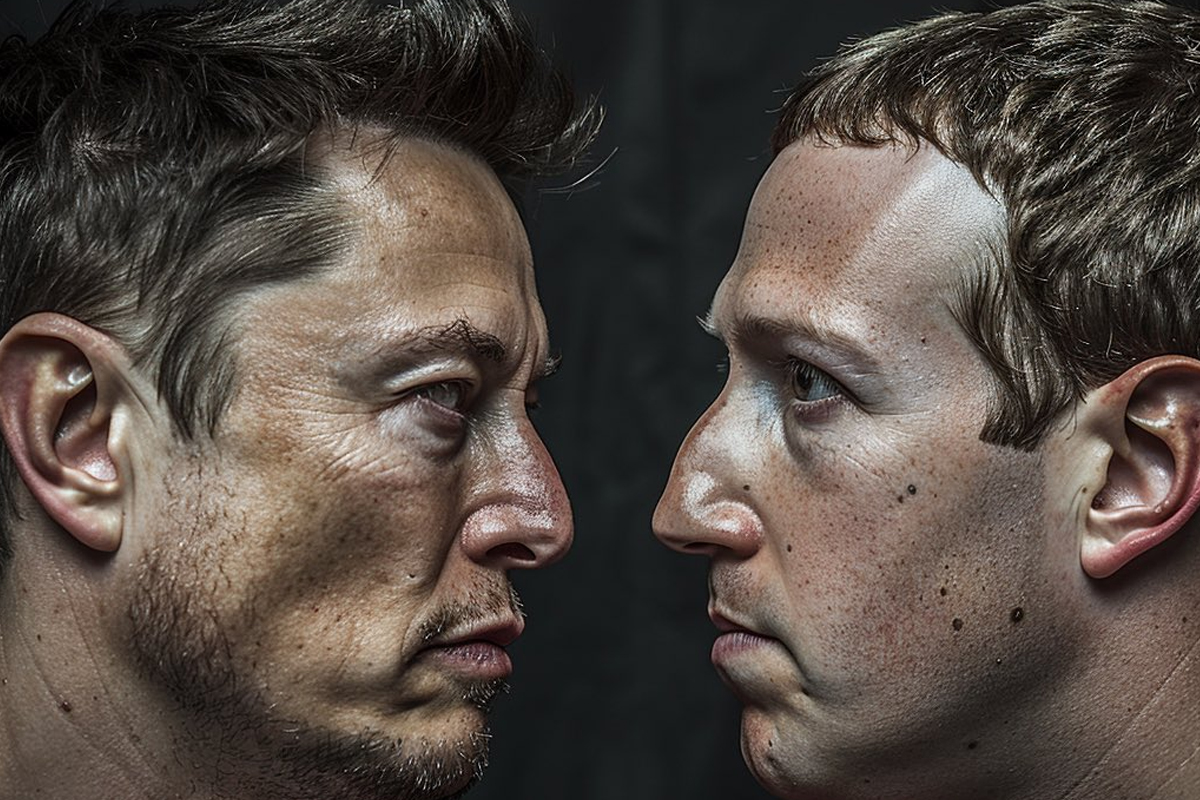
A recently released photograph has reignited discussions surrounding the connections between high-profile tech leaders and the late Jeffrey Epstein. The image, which surfaced in documents from the US Justice Department, shows Elon Musk and Mark Zuckerberg at a dinner hosted by Epstein in August 2015. Epstein, a convicted sex offender, described the gathering as “wild” in emails, raising questions about the nature of these relationships.
The photograph is part of a trove of materials released by the Justice Department, including emails that detail Epstein’s interactions with various influential figures. The email containing the photograph was sent on August 3, 2015, and identifies the image as EFTA01205692 within the Justice Department’s files. This release has prompted renewed scrutiny of individuals who associated with Epstein, particularly after his previous convictions and the allegations of his criminal activities.
Epstein’s emails reveal that he was not shy about flaunting his connections. Just a day before sending the photograph to himself, he corresponded with celebrity doctor and CBS News contributor Peter Attia, noting plans for dinner with Musk, Peter Thiel, and Zuckerberg. On August 20, 2015, he referenced the same dinner in communication with Tom Pritzker, Executive Chairman of Hyatt, stating, “I had dinner with Zuckerberg, Musk, Thiel, Hoffman, wild.” This casual mention underscores the way Epstein leveraged his social ties, treating proximity to billionaires as a form of social currency.
Zuckerberg has publicly acknowledged the dinner but characterized it as a fleeting encounter. His spokesperson clarified that Zuckerberg met Epstein “in passing, one time at a dinner honoring scientists that was not organized by Epstein.” In contrast, Musk has remained silent about the dinner, even as he claimed that Epstein had “repeatedly” tried to invite him to his private island, which Musk says he declined.
Newly revealed emails suggest a different narrative. Reports indicate that in 2012 and 2013, Musk discussed potential meetings at Epstein’s private island, showing interest in the “wildest party” held there. In these exchanges, Epstein offered to send a helicopter for Musk, to which he replied, “Thanks.” This correspondence has led to speculation about the nature of Musk’s relationship with Epstein, complicating the clean narrative Musk has presented to the public.
In a statement on social media platform X, Musk expressed satisfaction over the release of the Epstein files, asserting, “No one pushed harder than me to have the Epstein files released and I’m glad that has finally happened.” Despite this, he maintains that he repeatedly declined invitations to visit Epstein’s island.
While the released materials do not imply criminality, they challenge the simplified accounts provided by Musk. The existence of these interactions reveals a more complex picture of curiosity, ambition, and the moral ambiguities often present in the lives of the powerful. As the fallout from Epstein’s web of connections continues, the implications for those involved remain significant, prompting further examination of how public figures navigate their associations.
As these revelations unfold, the question persists: What does it say about these influential individuals that they were willing to associate with someone like Epstein, particularly after his past was known? The answers may shape public perception and influence future interactions within elite circles.