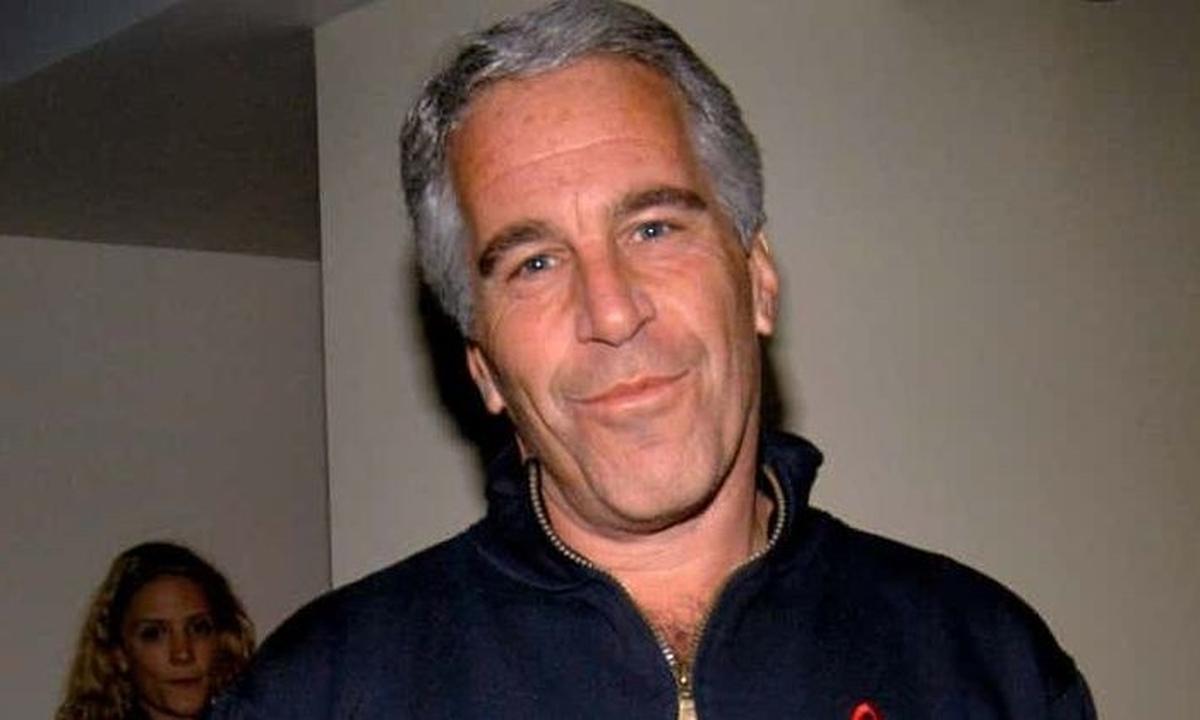
The recent release of thousands of court documents has unveiled surprising connections between the late financier Jeffrey Epstein and the early days of cryptocurrency. These documents suggest that Epstein was not merely an observer of the digital asset revolution but an active participant, raising questions about his influence on the development of Bitcoin and other blockchain technologies.
The trove of emails and legal filings indicates that Epstein had significant financial stakes in major cryptocurrency ventures. In 2014, he invested approximately £2.4 million (around $3 million) in Coinbase, a leading cryptocurrency exchange. At that time, the startup was valued at about £315 million (approximately $400 million). By 2018, Epstein had reportedly sold half of his stake for £11.8 million (about $15 million) as the company’s value surged. Notably, the documents reveal that despite Epstein’s 2008 sex offense conviction, key figures at Coinbase were aware of his involvement.
Epstein’s connections extended beyond Coinbase. He held a stake in Blockstream, a prominent blockchain technology company founded by Adam Back, further solidifying his influence in the sector’s infrastructure. The documents also suggest that Epstein was involved in private gatherings where discussions about the future of digital currency took place. One notable meeting included Brock Pierce, a crypto entrepreneur and co-founder of the stablecoin Tether, along with former US Treasury Secretary Larry Summers.
These meetings occurred during a time when Bitcoin was still grappling with its reputation as a tool for illicit activities. Epstein’s role appeared to be that of an intermediary, connecting cryptocurrency innovators with established financial institutions. His emails indicate a keen awareness of the regulatory landscape, as he sought advice from figures like Steve Bannon regarding tax implications for cryptocurrencies. This suggests Epstein aimed to facilitate the mainstream acceptance of digital assets.
One particularly intriguing aspect of the documents involves Gavin Andresen, one of the original developers of Bitcoin. Emails reveal that Epstein communicated with Andresen shortly before he visited CIA headquarters in June 2011. This timeframe coincides closely with the mysterious disappearance of Bitcoin’s anonymous creator, known as Satoshi Nakamoto. While there is no conclusive evidence linking Epstein to Nakamoto, the proximity of these events has reignited speculation about his potential knowledge of Bitcoin’s origins.
Epstein’s connections with cryptographers, his interest in the mathematics underpinning cryptocurrency, and his funding of research through institutions like the MIT Media Lab further complicate the narrative. These links raise questions about the extent of his influence and whether his involvement in the cryptocurrency world was purely financial or if it extended to shaping the technology itself.
As the implications of these revelations unfold, the intersection of Epstein’s financial dealings and the evolution of cryptocurrency remains a topic of intense scrutiny. The documents not only shed light on Epstein’s investments but also illuminate a complex web of relationships that may have influenced the trajectory of one of the most significant technological innovations of the 21st century.