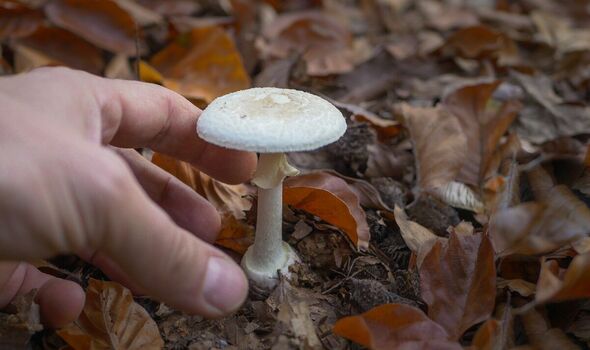
A recent outbreak of toxic mushroom ingestion has resulted in the deaths of four individuals and left at least 36 others poisoned in California. The culprit, the highly toxic death cap mushroom, known scientifically as Amanita phalloides, poses a significant risk due to its resemblance to several edible mushroom varieties. Approximately 50% of cases involving this mushroom are fatal, as it contains potent toxins that can lead to severe liver damage.
Since November 18, 2023, the death cap mushroom has been linked to an alarming rise in poisonings across the state. The California Poison Control System reports that many affected individuals have experienced acute liver injury, necessitating intensive medical care. The patients’ ages range from just 19 months to 67 years, although the specific ages of those who died have not been disclosed.
Health Risks and Symptoms
Dr. Craig Smollin, the medical director for the San Francisco Division of the California Poison Control System, commented on the unusual surge in cases. “The main thing this year is just the magnitude, the number of people ingesting this mushroom. Having almost 40 cases is very unusual,” he remarked.
The symptoms of death cap mushroom poisoning can appear deceptively mild at first. Victims may experience nausea, vomiting, and abdominal pain within 24 hours of ingestion. These symptoms can subside, creating a false sense of security; however, serious liver damage can develop within two to three days. This rapid deterioration highlights the critical need for immediate medical attention.
In one harrowing account, Laura Marcelino, a resident of Salinas, California, shared her family’s experience. Her family foraged mushrooms that they believed were safe, similar to those they had gathered in their native Oaxaca, Mexico. After consuming the mushrooms, both Laura and her husband fell ill, with her husband ultimately requiring a liver transplant.
Demographics and Public Health Response
The California Department of Public Health has noted that many of those affected speak languages such as Spanish, Mixteco, and Mandarin Chinese. In response to the crisis, public health officials have issued warnings in multiple languages to ensure that communities are informed about the dangers of mushroom foraging. According to the health department, over 60% of cases involved Spanish-speaking individuals.
The death cap mushroom is not only a concern in California but is also prevalent in various regions worldwide, including parts of the UK, where it is commonly found in mixed deciduous woodlands. The Woodland Trust highlights the mushroom’s deadly nature, stating that even a small amount can be fatal. Throughout history, it has been associated with several historical figures, including victims of alleged poisonings in ancient Rome.
With its fruiting season running from July to November, the death cap mushroom’s appearance can be misleading. It can range from a shiny olive-yellow to greenish-bronze cap, often similar in appearance to edible types, making accurate identification crucial for foragers. The risks associated with consuming this mushroom underscore the importance of education and caution when foraging in the wild.
As authorities continue to investigate this outbreak, the public is urged to exercise extreme caution and to seek immediate medical help if they suspect mushroom poisoning. The ongoing situation has prompted discussions around the need for greater awareness regarding the dangers of wild mushrooms and the importance of proper identification methods.