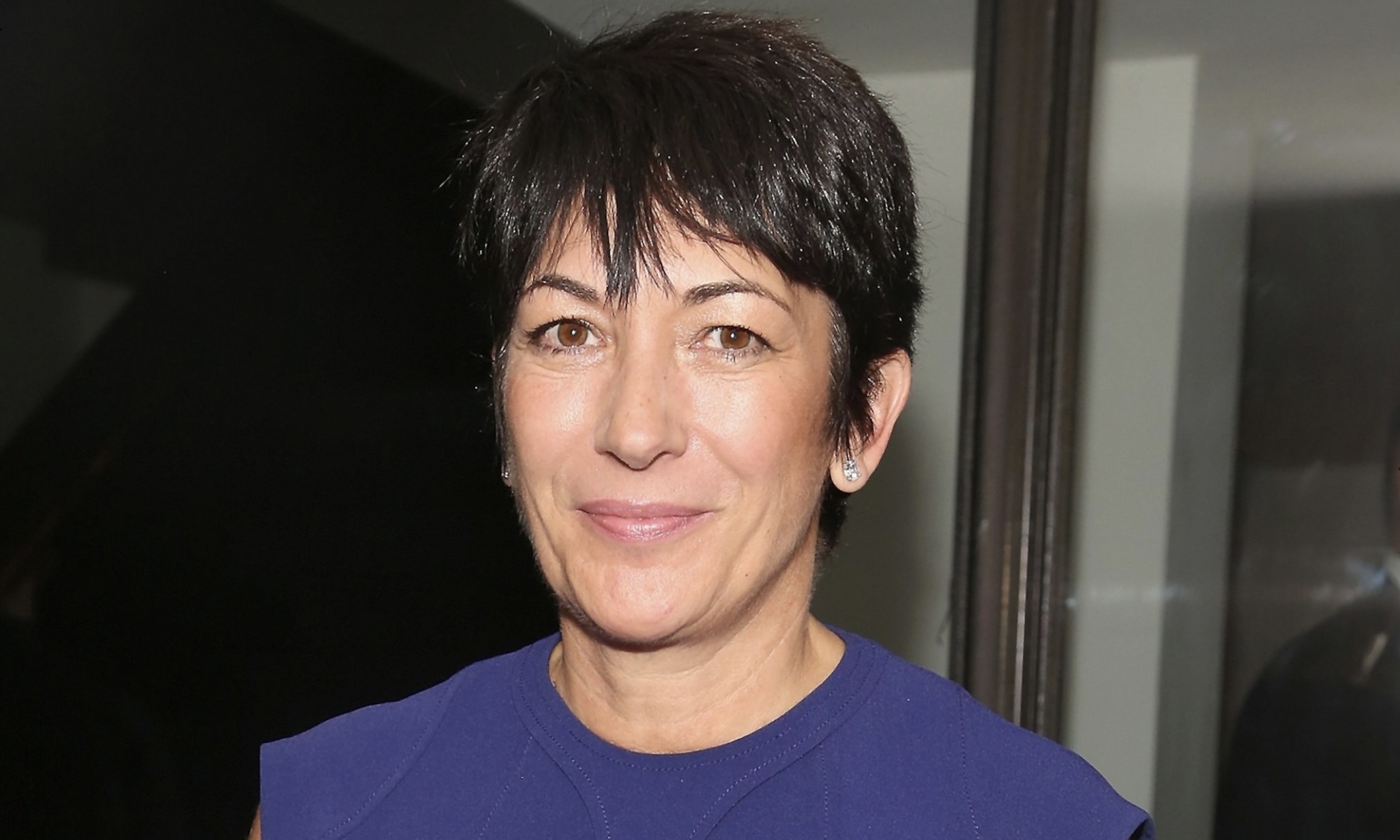
A royal historian has made sensational allegations implicating a former UK Prime Minister in a supposed threesome with Ghislaine Maxwell. This claim, while lacking concrete evidence or specific names, has ignited public interest amid ongoing scrutiny surrounding Maxwell and her connections to elite figures. Andrew Lownie, author of *The Rise and Fall of the House of York*, stated he has “heard lots of talk” about this incident, raising eyebrows about the potential involvement of high-profile politicians.
Maxwell, currently serving a 20-year prison sentence in the United States for her role in facilitating the sexual abuse of minors by Jeffrey Epstein, remains a controversial figure in ongoing discussions about accountability among powerful individuals. Lownie’s comments were made during an interview with the Daily Mail, where he declined to confirm whether the alleged involvement pertained to a more recent Prime Minister, stating only, “A former Prime Minister, but it’s not Winston Churchill.”
The seriousness of these allegations cannot be understated, especially considering the significant legal actions taken against Maxwell. Her conviction stemmed from the testimonies of multiple victims, highlighting the gravity of her crimes. The current discourse surrounding the claims made by Lownie risks overshadowing these crucial facts, as the public grapples with the implications of such allegations against powerful figures in society.
Lownie’s broader argument focuses on the need for increased accountability among public figures, particularly regarding Prince Andrew, who has faced serious allegations of his own. Lownie expressed a belief that Andrew has been “aided and abetted” by those in influential positions and called for a parliamentary inquiry into his time as a trade envoy. He emphasized the necessity of transparency, suggesting that forthcoming investigations could potentially “clean the stables” and help restore public trust in the monarchy.
As discussions around these allegations intensify, the credibility of the monarchy is at stake. Trust between the royal family and the public relies on transparency and accountability, especially in light of ongoing investigations into the Epstein case. The release of extensive documentation by the United States Justice Department, totaling around 3.5 million pages, aims to shed light on Epstein’s activities and the network surrounding him. However, the release of such material often results in confusion, with partial facts and unverified claims contributing to public speculation.
The danger lies in the potential for genuine questions regarding Andrew’s conduct and the palace’s management of its reputation to become lost in a media frenzy. As scrutiny increases, institutions often reveal their true nature when pressured. If the allegations against the former Prime Minister lack substance, they should be easily dismissed. Conversely, if there is validity to these claims, the repercussions will likely be felt by those with far less power than the individuals at the center of the story.
In summary, the allegations made by Andrew Lownie serve as a reminder of the complex interplay between power, accountability, and public perception. As the narrative unfolds, the emphasis must remain on the verified facts and the pursuit of justice for victims. The call for transparency from notable figures, particularly within the royal family, becomes increasingly essential if they wish to maintain the trust of the British people.