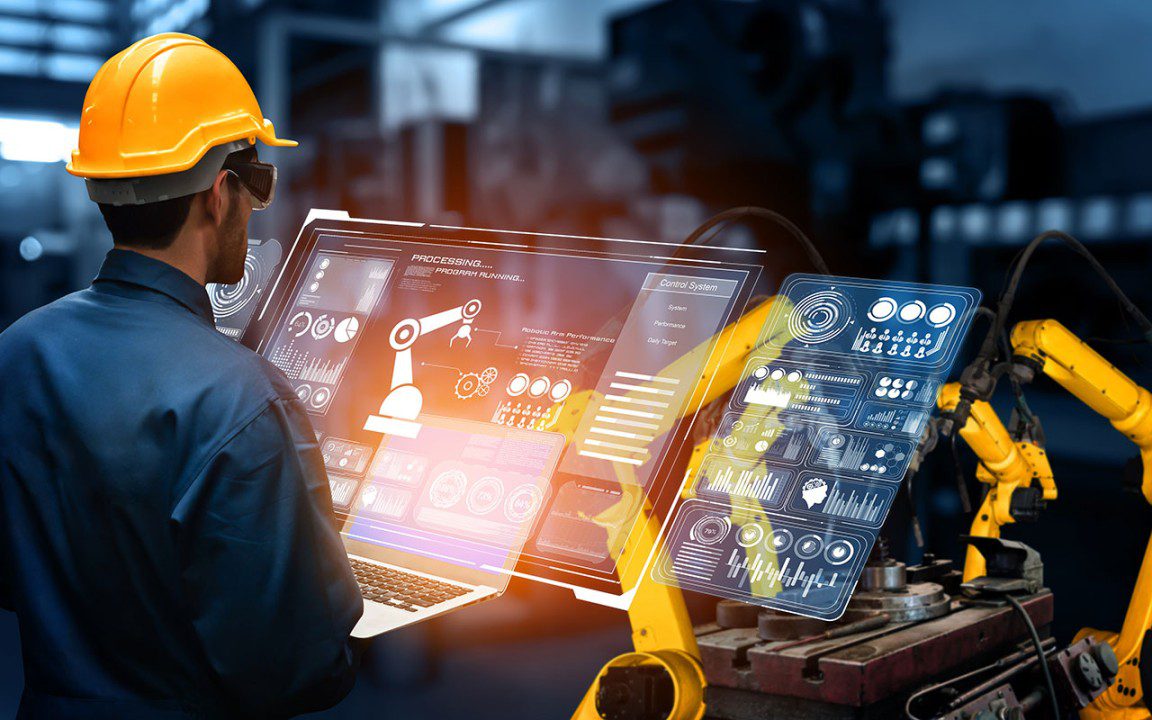
The award manufacturing industry has experienced a significant transformation in recent years, primarily due to the adoption of digital design tools. This shift has modernized workflows, enabling manufacturers to create more customized and precise products efficiently. As a result, the industry now operates at the crossroads of craftsmanship and technology, leading to innovative approaches in designing trophies, plaques, medals, and championship rings.
Transition from Traditional to Digital Methods
Historically, award design relied on hand sketches and physical prototypes. Designers depended on manual skills and experience to convey their ideas, often requiring numerous iterations before clients could visualize the final product. This traditional approach was not only time-consuming but also prone to interpretation errors.
Digital design tools have fundamentally altered this process by allowing designers to work within precise, scalable environments. With computer-aided design (CAD) software, every detail can be defined numerically, significantly reducing guesswork. This shift has improved accuracy and encouraged designers to explore creative possibilities without the limitations of physical mockups.
Streamlined Workflows and Enhanced Customization
One of the most remarkable benefits of digital design tools is their ability to expedite production timelines. Previously, changes to award designs necessitated new sketches or even starting from scratch. Today, revisions can be made almost instantaneously within a digital file. This efficiency has transformed workflows, enabling designers to respond quickly to client feedback and allowing production teams to work with finalized files ready for manufacturing.
Modern consumers expect personalized products, and digital design tools facilitate this expectation effectively. Customization has become both feasible and efficient, allowing names, dates, logos, and unique shapes to be integrated seamlessly into designs. For example, when creating championship rings, manufacturers can align every design element with specific team achievements, ensuring a tailored product that resonates with clients.
The collaborative aspect of digital design has also improved. Rather than relying on flat sketches, manufacturers can present realistic renderings and interactive models, helping clients to visualize the final product from various angles. This shared visual language fosters trust, reduces misunderstandings, and streamlines approval processes, resulting in higher satisfaction.
The integration of digital design tools with advanced manufacturing technologies, such as CNC machining, laser engraving, and 3D printing, has further enhanced efficiency. Digital files can be sent directly to machines, minimizing translation errors and ensuring that designs are accurately realized in the final products.
Consistency and Cost Efficiency
In award production, consistency is crucial, especially when fulfilling large orders for corporate recognition programs or sports leagues. Digital design tools ensure that once a design is finalized, it can be replicated precisely across all units. This consistency is essential for maintaining brand integrity and perceived quality.
While the initial investment in software and training may be significant, the long-term benefits of digital design tools lead to reduced costs. Fewer physical prototypes translate to less material waste, and faster approvals decrease labor hours spent on revisions. Moreover, precise designs help minimize production errors, allowing manufacturers to offer competitive pricing while maintaining healthy profit margins.
Sustainability is another advantage of this digital transformation. Reduced waste and more efficient production methods align with the growing environmental consciousness among consumers and clients alike.
Creative Expansion and Data-Driven Decisions
The advent of digital design tools has expanded creative possibilities for award manufacturers. Designers are no longer bound by traditional methods; advanced software enables intricate textures and innovative forms that push the boundaries of award aesthetics. Parametric design allows for dynamic adjustments, resulting in families of awards constructed from a single adaptable framework.
Furthermore, the incorporation of data into the design process enables manufacturers to analyze past designs and customer preferences. Insights into popular styles and materials inform future projects, leading to smarter decisions and a more responsive product portfolio. This data-driven approach elevates design from an artistic pursuit to a strategic function within the business.
As the industry evolves, the skills required in the workforce have also adapted. Designers must now blend artistic abilities with technical proficiency, while production teams must understand how digital files translate to machinery. This shift has attracted new talent and created clearer career pathways, enhancing the resilience and future-readiness of the industry.
The Road Ahead
Looking forward, the role of digital design tools in the award manufacturing industry is set to grow. Innovations such as augmented reality previews, cloud-based collaboration, and artificial intelligence-assisted design promise to enhance efficiency and creativity further. Clients may soon have the ability to customize awards in real time through online platforms, with designs flowing directly into production systems.
As expectations surrounding speed, personalization, and quality continue to increase, digital design will remain central to innovation and growth in the industry. The evolution from a manual, slow process to a dynamic, collaborative system has not only benefited manufacturers but has also enriched the experience for clients. Those who embrace and invest in digital design are likely to lead the way in delivering meaningful and memorable awards in an increasingly competitive marketplace.