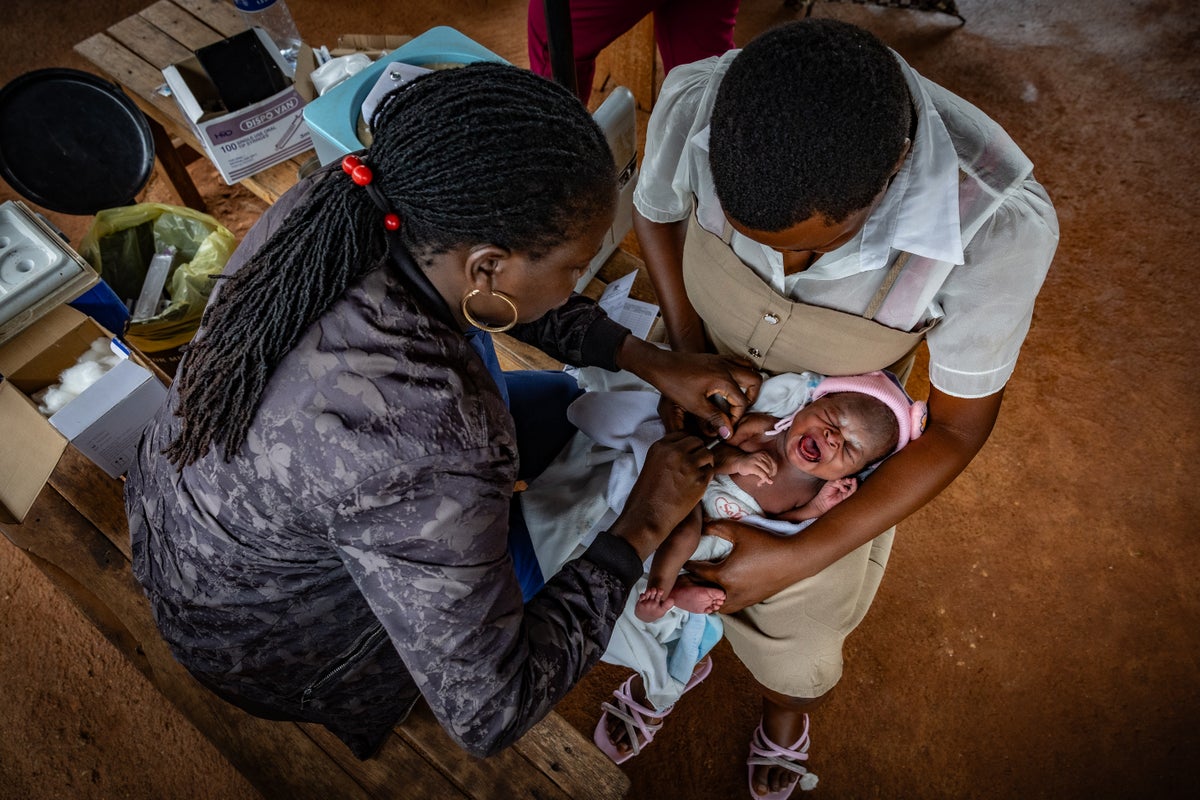
A new study indicates that nearly 23 million additional deaths are expected globally by 2030 due to significant cuts in overseas aid from countries such as the United States and United Kingdom. Conducted by the Barcelona Institute for Global Health (ISGlobal) and published in the esteemed journal The Lancet, the report highlights the dire consequences of reduced aid programs across 93 countries, including 38 in Sub-Saharan Africa.
The findings project a total of 22.6 million extra deaths by 2030, with approximately 5.4 million of these fatalities involving children under the age of five. Dr. Rajiv J. Shah, president of the Rockefeller Foundation, described the situation as a “humanitarian catastrophe” and emphasized the urgent need for action. “These findings give a voice to millions of vulnerable people and show the profound moral cost of the zero-sum approach many political leaders are taking,” he stated.
The ISGlobal report assessed the impacts of aid cuts across various regions, including 21 countries in Asia, 12 in Latin America, 12 in the Middle East and North Africa, and 10 in Europe. The research analyzed two decades of development data from these nations, which collectively host around 6.3 billion people. The findings underscore the critical role of international aid, noting that from 2002 to 2021, it contributed to a 39 percent reduction in child mortality, a 70 percent decrease in HIV/AIDS deaths, and a 56 percent fall in deaths from malaria and nutritional deficiencies.
Lisa Wise, director of global outcomes at Save the Children, pointed out that the consequences of these cuts extend beyond financial decisions. “Cuts to aid are not just budget decisions; they are death sentences for children,” she remarked. Wise explained that the reductions in funding have already led to the closure of health clinics, the cessation of nutrition programs, and the halting of protective measures for vulnerable populations.
The decline in international aid is becoming increasingly evident. In 2024, aid levels fell for the first time in six years, with significant budget reductions anticipated in 2025 and 2026. The Organisation of Economic Cooperation and Development (OECD) projects that aid could decline by as much as 18 percent during this period. The closure of USAID, which was responsible for managing a large portion of US aid programs, was particularly detrimental. The organization ceased funding for numerous initiatives mid-way, severely impacting healthcare systems and climate resilience efforts in numerous developing countries.
The UK government has also made significant cuts, reducing its aid budget from 0.5 percent to 0.3 percent of Gross National Income starting in 2027. The British development sector is currently awaiting details regarding the specific areas that will be affected by these cuts, with announcements expected later this month.
Davide Rasella, coordinator of the ISGlobal research, stated, “Withdrawing this support now would not only reverse hard-won progress but would translate directly into millions of preventable adult and child deaths in the coming years.” The report’s stark findings are supported by numerous accounts of devastating cuts to aid programs, which have been documented as part of a broader initiative by The Independent focused on rethinking global aid.
Magnus Corfixen, humanitarian lead for Oxfam GB, noted the pervasive impact of aid cuts on daily life. “Every aspect of people’s lives is being affected. Food, clean water, and healthcare are not choices or luxuries; they are fundamental human rights,” he stated. He further highlighted the implications for communities facing climate challenges, asserting that aid reductions threaten their ability to adapt to crises they did not create.
As the international community grapples with the repercussions of these aid cuts, the urgent call for a reevaluation of aid strategies becomes increasingly clear. The future of millions hangs in the balance, and coordinated action is essential to avert this looming humanitarian disaster.