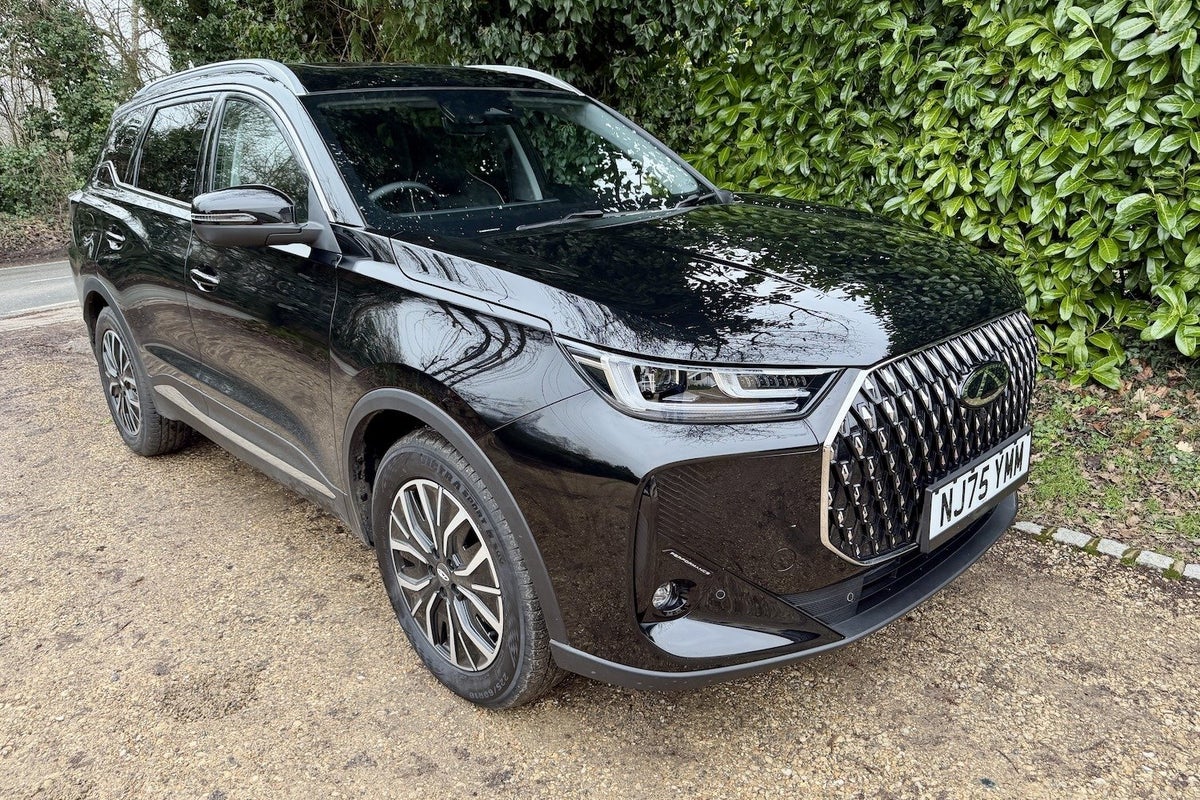
The demand for Chinese automotive brands is rapidly increasing, particularly in the plug-in hybrid segment. The Chery Tiggo 7, a recent entrant in the UK market, exemplifies this trend as interest in affordable electric vehicles grows. Priced around £30,000, the Tiggo 7 is part of a burgeoning category of plug-in hybrid SUVs that appeal to a diverse range of buyers.
Chinese manufacturers are making significant inroads with models such as the Tiggo 7, BYD Sealion 5, Geely Starray, Omoda 7, and MG HS. These vehicles are distinguished by their efficiency, robust features, and competitive pricing, leading to a marked increase in sales of plug-in hybrids, which have risen by 35 percent in 2025. While the offerings may appear similar at first glance, factors like price, specifications, and brand recognition play crucial roles in consumer choices.
Market Reception and Consumer Perceptions
The reception of the Tiggo 7 has been noteworthy. One automotive industry professional initially mistook it for an Infiniti, Nissan’s now-defunct luxury brand in the UK, citing the vehicle’s familiar badge and “very Audi” styling. Another contact explored the interior and likened its quality to that of a BMW, noting the absence of the quality gaps that were once common in earlier Chinese models.
Modern features in the Tiggo 7 have also improved significantly. The excessive alerts and beeping that plagued prior generations of Chinese vehicles have been notably reduced, enhancing the overall driving experience.
Family and friends provide an interesting perspective on the vehicle’s appeal. A recent 405-mile round trip to Liverpool left an impression on the editor’s son, who appreciated that there was still over 100 miles of fuel range available upon arrival. However, comfort was a point of contention after spending about eight hours in the car.
The editor’s daughter, who has been contemplating a larger vehicle to accommodate her growing Labrador puppy, had initially considered a Volkswagen Tiguan. To her surprise, she discovered that the Tiggo 7 starts at under £25,000 for a petrol model and under £30,000 as a plug-in hybrid, making it an attractive option with low leasing costs. Her friend, who owns an MG, reinforced the idea that a Chinese brand could be a viable choice, prompting her to reconsider.
Evaluating Quality and Value
While there are areas where Chinese models may not yet match European competitors—such as ride quality and the usability of technology—the overall value proposition remains compelling. The ride in the Tiggo 7 is satisfactory, and many of its technological features can be upgraded over the air, mitigating some usability concerns.
What stands out is the combination of price, efficiency, and quality that these vehicles offer. The growing popularity of Chinese-made cars suggests that many consumers are already opting for them without even realizing it. Notable examples include the MINI Aceman, various Polestar models, and even some earlier Teslas, all of which have been manufactured in China.
To conclude, the evolving landscape of the automotive market indicates a shift in consumer preferences towards Chinese vehicles. With their appealing pricing and solid features, brands like Chery are carving out a significant space in the automotive industry. As interest in electric vehicles continues to rise, the prospect of purchasing a Chinese car is becoming increasingly attractive for budget-conscious consumers.