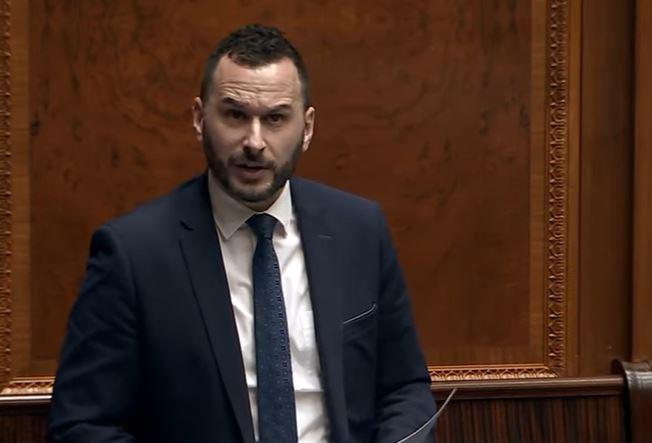
Timothy Gaston, a member of the Assembly, has publicly criticized a recent ruling from the Standards Commissioner that found he violated the Assembly Members Code of Conduct. The decision resulted in a two-day ban, which Gaston claims is a form of punishment for his inquiries into certain political practices.
The Standards Commissioner’s report, released on October 10, 2023, concluded that Gaston’s actions were inconsistent with the expected standards for assembly members. In response, Gaston described the investigation as a “political witch hunt,” asserting that his efforts to seek transparency and accountability were met with retribution.
Gaston emphasized that his questioning was not only legitimate but essential for maintaining integrity within the Assembly. “I asked questions that needed to be asked, and instead of constructive dialogue, I faced punitive measures,” he stated in a recent press conference. His comments reflect a growing frustration among some legislators regarding how accountability is managed within the political framework.
The ban, which takes effect immediately, restricts Gaston from participating in Assembly meetings and activities for two days. This decision has sparked debate among his peers, with some supporters rallying behind him and arguing that the penalties are excessive. They argue that such measures could discourage open discussions on important issues.
In the wake of the Standards Commissioner’s findings, the Assembly is facing scrutiny over its handling of conduct issues among its members. Critics contend that the repercussions for Gaston may set a concerning precedent, potentially stifling future inquiries into governance and operations.
As Gaston prepares to serve his ban, the political landscape in the Assembly remains tense. With members divided over the implications of the ruling, discussions about the balance between accountability and freedom of speech within political institutions are likely to intensify.
The fallout from this incident may influence future policies regarding conduct and inquiry in the Assembly. Observers are closely monitoring how leadership responds to the controversies surrounding Gaston’s case and whether reforms will be considered to ensure transparency and fairness in disciplinary actions.
Gaston’s experience serves as a reminder of the complexities involved in political oversight and the potential consequences for those who dare to question established norms. As debates continue, the Assembly must navigate the fine line between maintaining order and fostering an environment conducive to open dialogue.