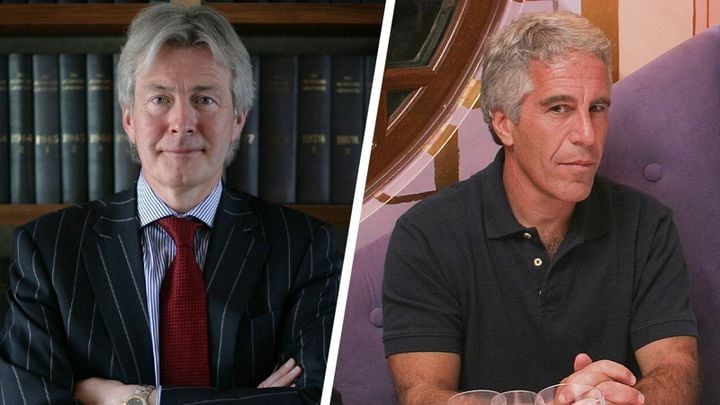
Paul Tweed, a prominent solicitor based in Northern Ireland, has severed his legal ties with convicted sex offender Jeffrey Epstein after the latter failed to heed his legal advice. The decision follows the release of confidential communications between the two, which were made public in a recent batch of documents from the United States Department of Justice.
Tweed, known for his work in libel and defamation cases, provided Epstein with what he described as “limited advice” back in 2011. Despite their brief engagement, Tweed never met Epstein in person. The Irish lawyer took action to terminate the legal representation shortly after realizing that Epstein was not following his counsel.
Background on the Legal Engagement
The correspondence, which has drawn significant media attention, highlights the complexities faced by legal professionals when dealing with high-profile clients. Tweed’s involvement with Epstein came during a time when Epstein was already a controversial figure, embroiled in numerous allegations of sexual misconduct.
In the legal community, it is not uncommon for attorneys to represent clients who possess both wealth and notoriety. However, Tweed’s decision to distance himself from Epstein reflects a growing concern about the reputational risks associated with such associations. The lawyer has built a reputation representing a range of international celebrities, and this incident serves as a reminder of the potential fallout from controversial client relationships.
Implications of the Released Documents
The release of the legal emails adds another layer to the ongoing scrutiny surrounding Epstein’s activities and the network of individuals associated with him. While the documents do not reveal new allegations against Epstein, they do provide insight into the legal strategies employed by those who sought to advise him.
Tweed’s decision to end his relationship with Epstein underscores the ethical responsibilities that lawyers must navigate, especially when representing clients whose actions may contradict legal norms. In his career, Tweed has successfully represented various public figures, demonstrating his ability to handle sensitive cases with discretion.
As more information continues to emerge from investigations into Epstein’s dealings, the focus on legal professionals who interacted with him is likely to intensify. This situation serves as a crucial case study for the legal profession regarding client selection and the importance of maintaining professional integrity.
The fallout from Epstein’s actions continues to resonate globally, and the legal implications of his relationships remain a topic of significant interest. Tweed’s experience highlights the challenges faced by lawyers in balancing their responsibilities to clients with the potential impact on their own reputations.
This case is a reminder that the legal profession is not just about the law itself, but also about the moral and ethical dilemmas that can arise in high-stakes situations. As investigations deepen and more documents are released, the legal community remains vigilant in assessing its role in cases involving high-profile individuals.