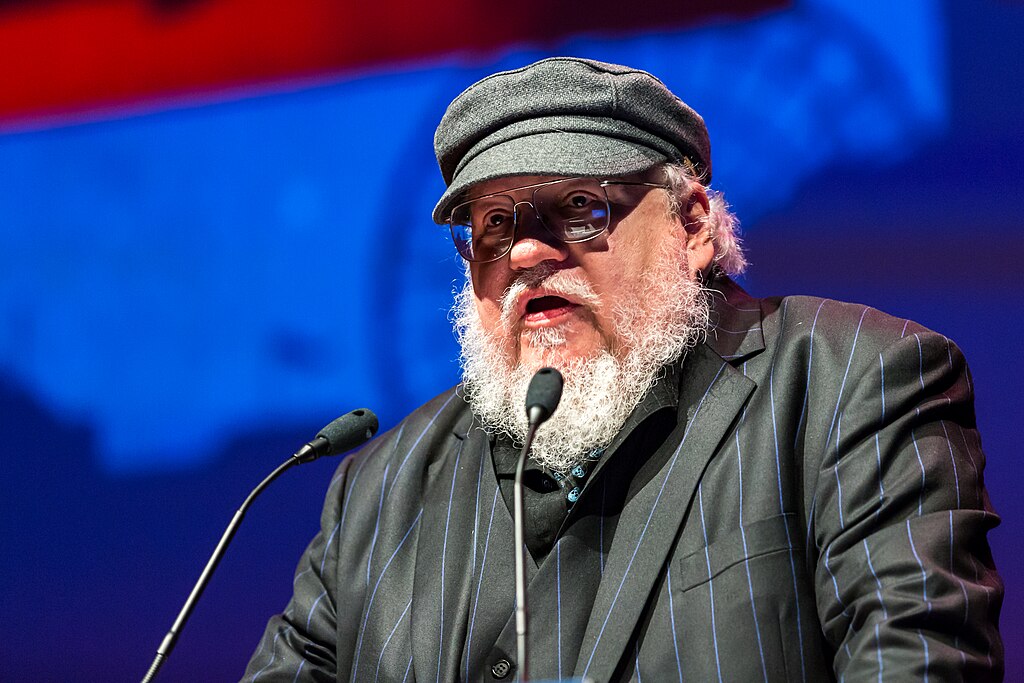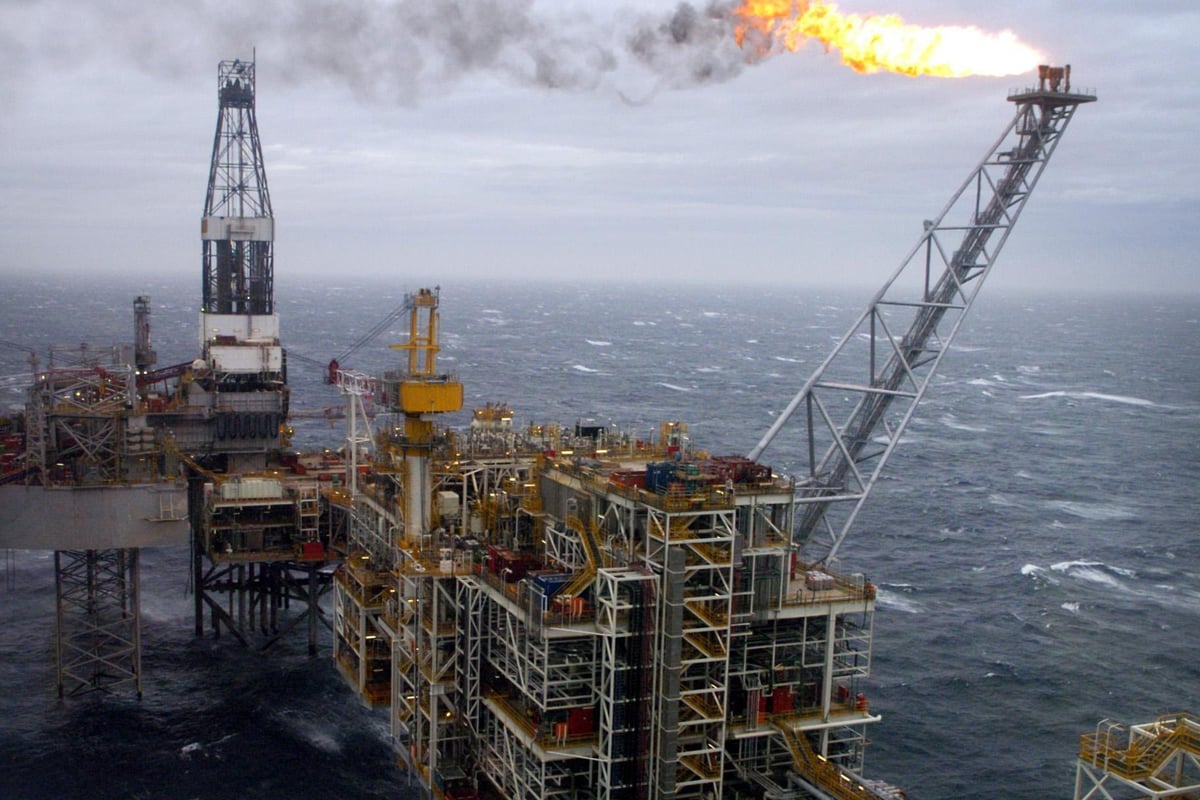
The inaugural meeting of the North Sea Future Board took place recently, but discussions on the controversial Energy Profits Levy were notably absent. According to Michael Shanks, a member of the board, the topic “didn’t feature” during the meeting, despite being a significant issue for many stakeholders in the energy sector.
The North Sea Future Board was established to guide the future of oil and gas exploration and production in the region. Its formation reflects the growing need for strategic oversight as the energy landscape evolves, particularly in response to climate change and the transition to renewable energy sources. Shanks acknowledged that he is aware of widespread opinions regarding the windfall tax, which has sparked debate since its introduction.
The Energy Profits Levy was implemented by the UK government in May 2022, aiming to tax the unexpected profits of oil and gas companies due to soaring prices. The levy has drawn mixed reactions, with some arguing it is essential for addressing the rising cost of living, while others believe it could deter investment in the North Sea.
During the meeting, board members primarily focused on long-term strategies for sustainable growth and development in the North Sea. Shanks emphasized the board’s commitment to fostering collaboration among industry players, government officials, and environmental groups, aiming to create a balanced approach to energy production.
Discussions regarding the windfall tax may arise in future meetings, as stakeholders continue to express concerns over its implications for investment in the region. The North Sea is a crucial area for the UK’s energy supply, and any changes to taxation policies could significantly impact both the economy and the environment.
The absence of the windfall tax in the board’s initial agenda highlights the complexities involved in navigating energy policy in a rapidly changing global market. As the North Sea Future Board convenes again, the impact of the Energy Profits Levy will likely remain a focal point for many involved in the discussions.