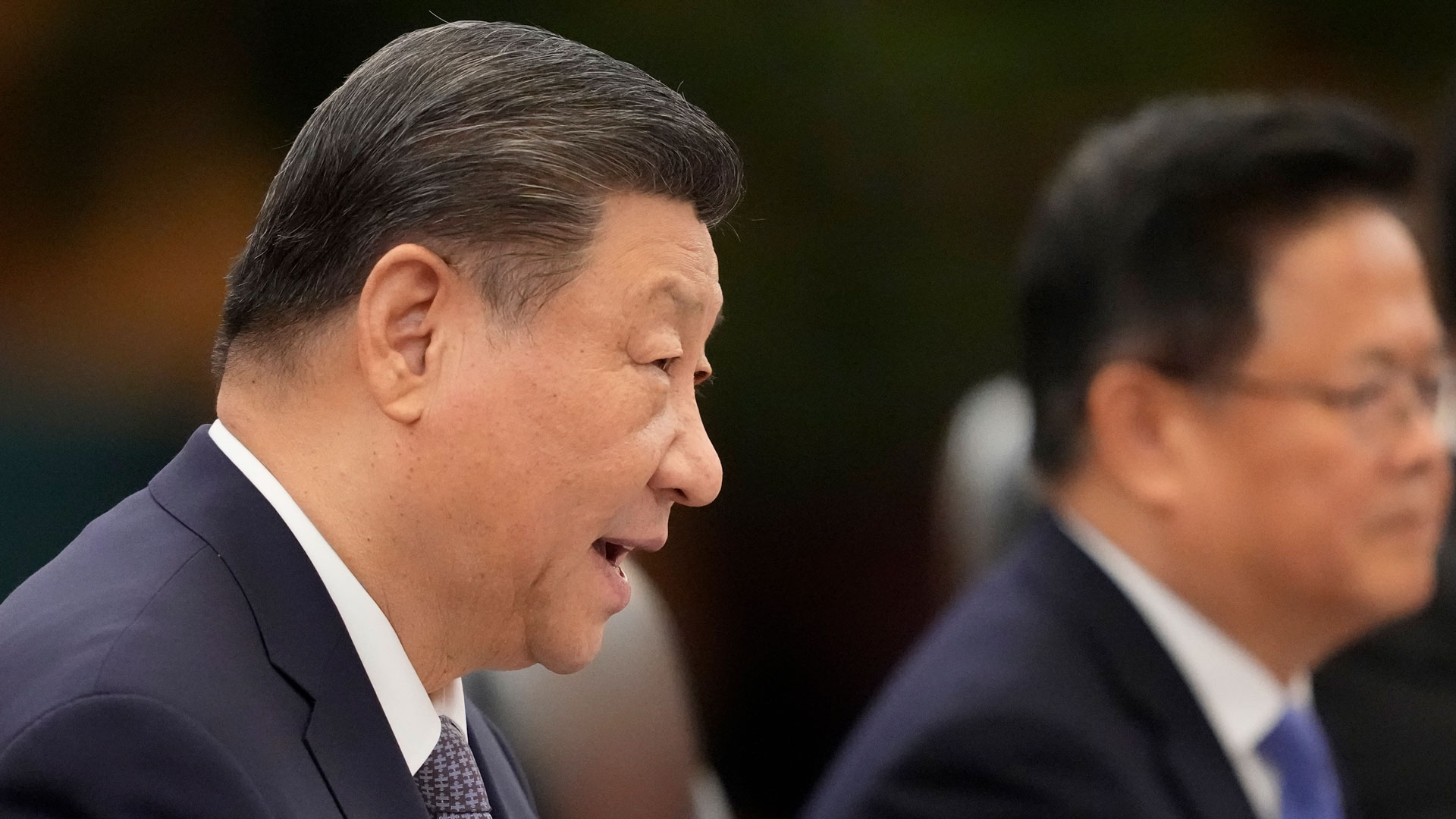
Chinese President Xi Jinping has declared artificial intelligence (AI) a pivotal force for transformation, likening its potential impact to that of the early Internet and the industrial revolution. During his first formal meeting with ministers in 2026, he highlighted AI as an “epoch-making technological transformation” that has the capacity to significantly alter the trajectory of human progress.
Xi’s remarks come amid China’s efforts to bolster its domestic technology sector and to overcome foreign restrictions on high-end semiconductor access. He emphasized a “whole-of-nation” strategy to develop indigenous capabilities, which he believes will enhance China’s global competitiveness in AI and related fields.
Strategic Focus on Domestic Innovation
The Chinese government has been particularly inspired by the recent achievements of domestic AI companies. One notable example is DeepSeek, which introduced a large language model that rivals those of major players like OpenAI and Meta, requiring approximately eleven times less computational power. This breakthrough has energized China’s ambitions in AI technology, reinforcing beliefs that internal deployments can yield significant advancements even under restrictive foreign trade policies.
Xi’s administration has made it clear that the focus will remain on the domestic AI and semiconductor industries. Despite facing challenges in accessing advanced foreign accelerators, the government is encouraging coordinated growth in these sectors. Xi cautioned against reckless spending by provincial governments, urging integration of AI into existing industries rather than a complete overhaul of current infrastructures. Past experiences of excess idle computing power in national data centers have prompted authorities to tighten oversight and optimize resources.
Preparing for the Future
As China gears up for its 15th Five-Year Plan, which will span from 2026 to 2030, AI is set to play a central role in the nation’s strategy for “new productive forces.” Xi reiterated that while the adoption of AI tools is crucial, it must be implemented in a manner sensitive to local conditions, avoiding uniform solutions that could exacerbate existing inefficiencies.
The President’s emphasis on caution reflects a recognition of the challenges faced by the current infrastructure, suggesting that Beijing’s approach will prioritize resource management alongside technological advancement. This dual focus aims to ensure that China not only leads in AI development but also effectively utilizes its resources to avoid past pitfalls.
Xi’s statements reinforce the narrative that China is determined to assert its leadership in the AI sector, even as it navigates the complexities of international competition, particularly with the United States. As developments continue, the impact of these policies on both domestic and global technology landscapes will be closely observed.