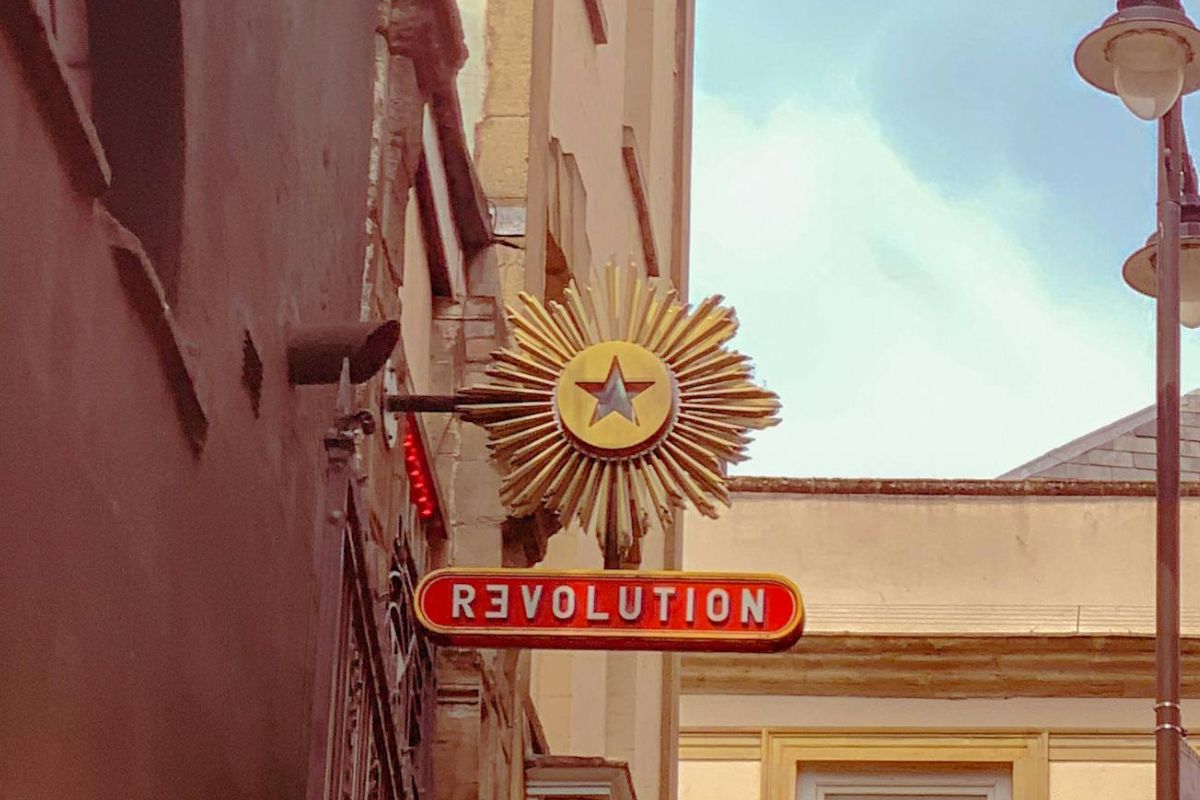
Revolution Bars, a once-popular fixture of the UK nightlife scene, is set to close 21 venues, resulting in the loss of nearly 600 jobs. This decision follows the entry of its parent company, The Revel Collective, into administration, reflecting the increasing challenges faced by the hospitality sector as consumer habits shift dramatically.
The closures, which were confirmed this week, will lead to the elimination of 591 positions after the company failed to secure necessary funding. Administrators revealed that while a substantial portion of the business has been sold, certain sites were not included in the rescue deals, leading to immediate closures.
A significant factor in this decision comes as bars and late-night venues contend with escalating operating costs, a decline in consumer spending, and reduced footfall, particularly among younger patrons. Industry representatives indicate that the troubles facing Revolution Bars are indicative of broader issues within Britain’s night-time economy.
Following the announcement, FTI Consulting, the appointed administrators, confirmed that the affected venues were no longer viable under the new ownership arrangements. The Revel Collective has closed 14 Revolution Bars, six locations of Revolución de Cuba, and one pub operating under the Peach Pubs division.
Despite these losses, deals have been reached to preserve a substantial part of the business. The Revolution and Revolución de Cuba brands have been acquired by Neos Hospitality Group, while the Peach Pubs division has been taken over by Coral Pub Company. These transactions have secured the future of 41 venues and protected approximately 1,582 jobs, providing some relief amidst the turmoil.
Earlier this month, the company had warned that unless its financial situation improved, it would appoint administrators within ten business days. Shareholders were informed that any potential sale could lead to a complete loss of their equity. The Revel Collective has been grappling with declining revenues and rising debts. In the three months leading to September 2023, the company reported a 7.4 percent drop in revenue, totaling £26.3 million (approximately $34.7 million), while total debt rose to £25.3 million (around $33.4 million).
In an attempt to stabilize the business, a major restructuring was initiated in 2024, leading to the closure of 15 unprofitable sites. However, these measures failed to yield the desired results. A strategic review was launched last autumn, and the company formally put itself up for sale in October, with senior executives acknowledging that trading had been weaker than anticipated, particularly among younger customers who are spending less on nights out.
The shift in social habits, accelerated by the pandemic, has led younger consumers to prefer socializing at home or engaging in alternative leisure activities rather than traditional late-night drinking. This trend has not only affected Revolution Bars but has also resonated throughout the hospitality sector, where operators are reporting a decline in late-night spending and foot traffic.
The closure of these venues is expected to have a significant local impact, particularly on bar staff and workers in the night-time economy. While the sale of part of the business has preserved many jobs, industry observers argue that the shutdowns highlight the fragility of hospitality firms operating under increasingly challenging economic conditions.
As Revolution Bars marks this significant contraction, it underscores a broader struggle within the UK’s night-time economy, where established brands are finding it difficult to adapt to changing consumer preferences and sustained financial pressures.