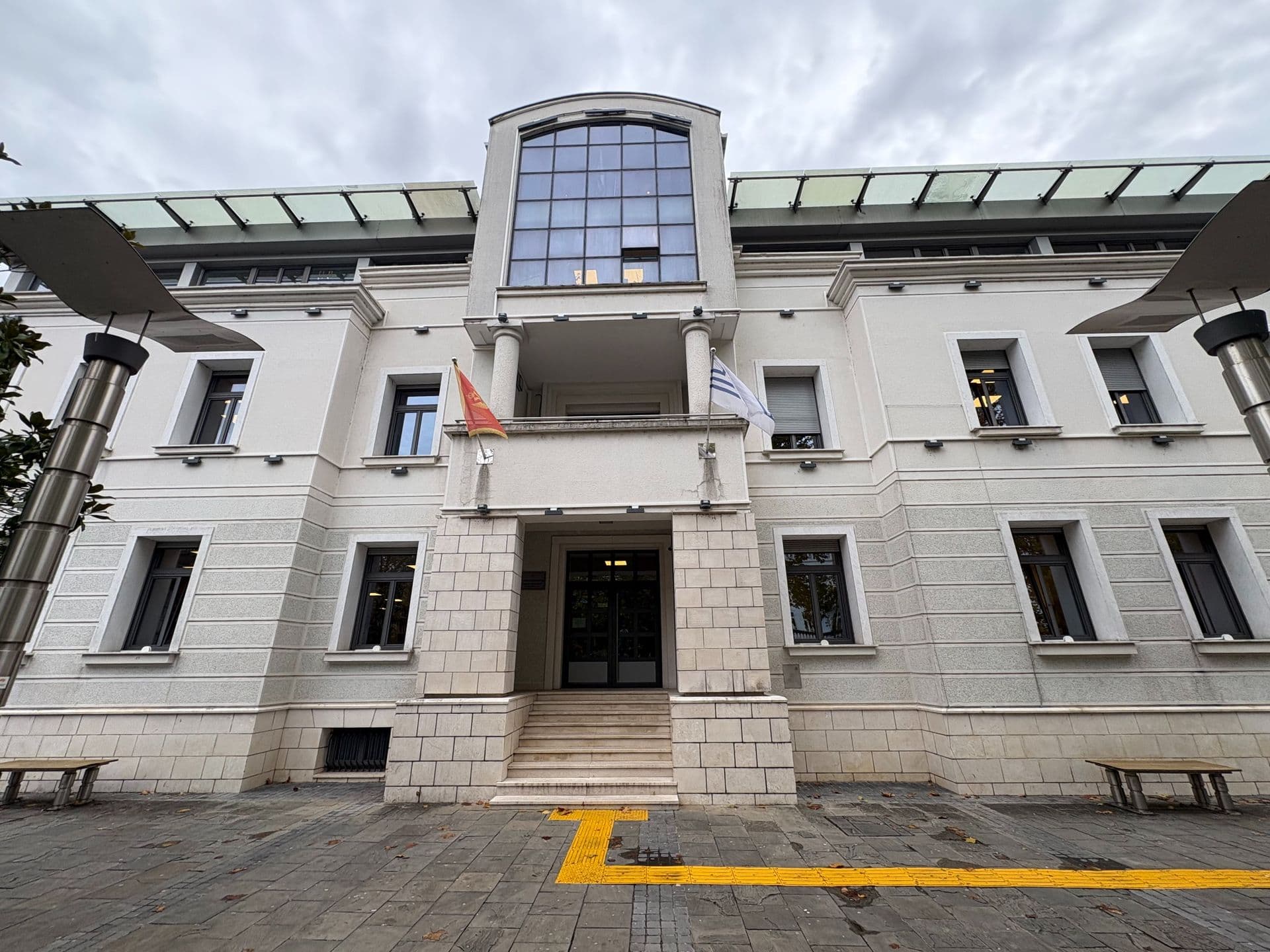
The ongoing political discourse in Montenegro has intensified following a dispute over the historical naming of the Narodna biblioteka „Radosav Ljumović”. The Stranka evropskog progresa (SEP) has accused the library’s administration of attempting to reshape its identity by misrepresenting its historical name during the celebration of its 145th anniversary on January 19, 2024. This event has sparked a sharp response from the library’s director, Slavica Ilinčić.
In a statement, the SEP called on the capital city of Podgorica to halt what they describe as an unjustified effort to alter the library’s identity. The party’s allegations are rooted in claims that the library’s historical name has been inaccurately documented. They assert that the institution, originally named the “Podgorička čitaonica,” was never officially referred to as the “Srpska čitaonica sa bibliotekom,” contradicting the narrative presented by Ilinčić.
Mira Lakčević, a member of the SEP, expressed strong opposition to what she termed an ideological transformation of Montenegrin identity. She emphasized that the rich history of the library should enhance the cultural identity of Montenegro rather than serve external interests. According to Lakčević, the library should be a source of national pride, contributing to the cultural landscape of a sovereign and independent Montenegro.
In her rebuttal, Ilinčić defended her leadership, asserting that the SEP’s claims are unfounded. She highlighted the library’s success, including a doubling in membership and a vibrant cultural program. Ilinčić firmly rejected the accusation that she had imposed restrictions on publishing books, stating that established procedures are in place for such matters.
The dispute escalated when Lakčević referred to a historical document from 1905 that supports the original name of the library, further corroborating her claims. She criticized the current administration’s attempts to redefine historical narratives, suggesting that they may be ideologically motivated.
Ilinčić countered by labeling the allegations as five distinct falsehoods. She emphasized that her actions as director have been transparent and beneficial for the library’s mission. According to her, the accusations of attempting to rename the institution are baseless and indicative of a misunderstanding of procedural norms.
This controversy has placed the cultural institution at the center of a broader political debate regarding national identity in Montenegro. The library’s storied history, dating back to its founding as the “Podgorička čitaonica” in 1881, is now entangled in political rhetoric that reflects ongoing tensions within the country.
In conclusion, the conflict over the naming of the Narodna biblioteka „Radosav Ljumović” serves as a microcosm of the larger struggles surrounding cultural and national identity in Montenegro. As both parties continue to assert their positions, the outcome of this dispute may have lasting implications for the library and the political landscape of the nation.