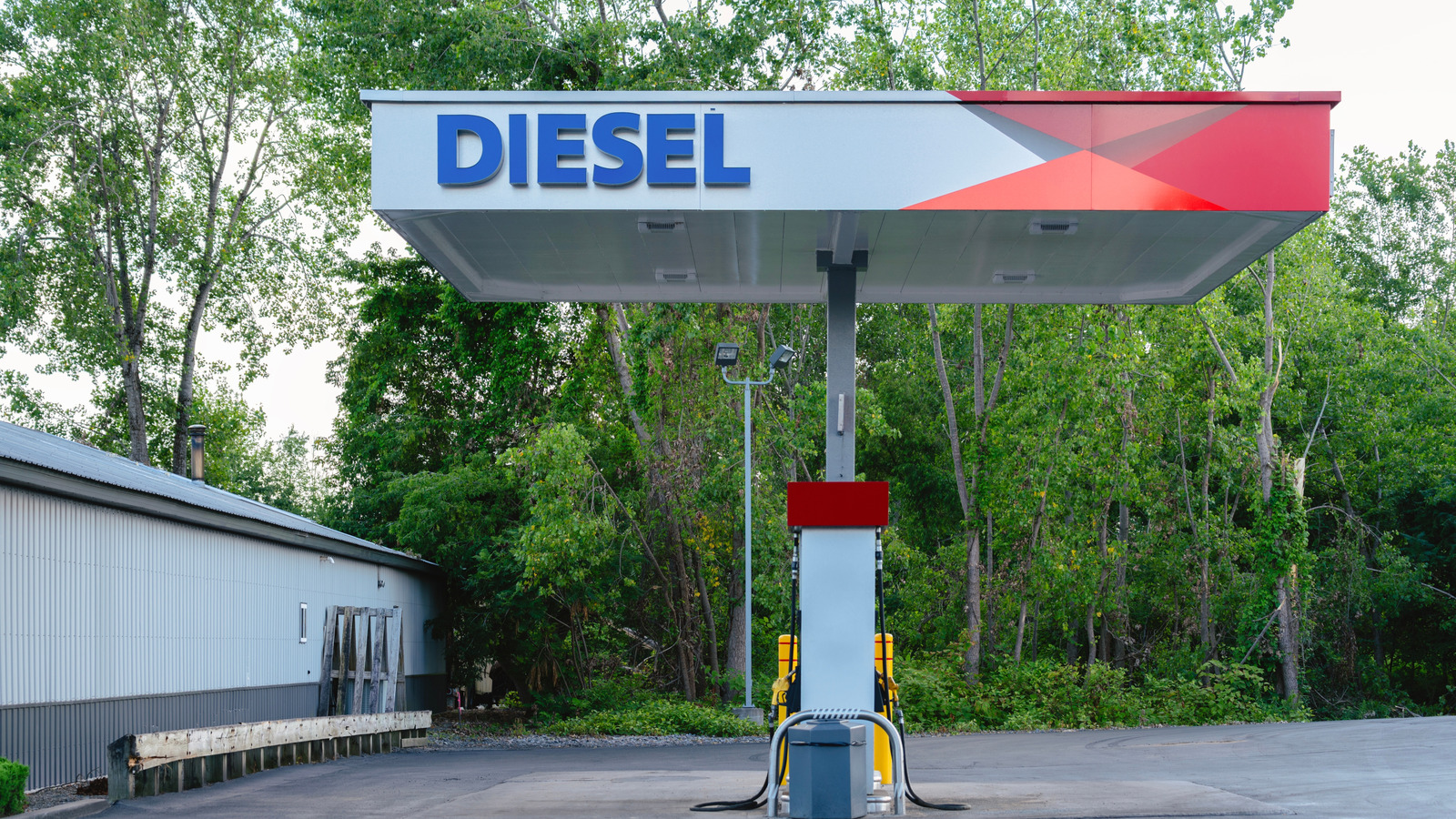
More than 4,000 gas stations operating under the Citgo brand are facing heightened scrutiny due to their ownership by Venezuela’s state-run oil company, PDVSA. Although Citgo is headquartered in Houston, Texas, it has been a wholly owned subsidiary of PDVSA since the 1990s. This relationship has drawn attention as Venezuela grapples with significant debt issues and complex legal disputes in the United States, where Citgo’s value has become a target for creditors.
Citgo was gradually acquired by PDVSA beginning in the 1980s, achieving complete control by 1990. Operating as a U.S.-based refiner and fuel marketer, Citgo provided a crucial outlet for Venezuelan crude and refined products. The significance of this arrangement has been magnified in recent years due to Venezuela’s status as holder of the world’s largest oil reserves, despite its ongoing economic challenges.
As Venezuela has faced extensive debt defaults exceeding billions of dollars, creditors have sought recourse through U.S. courts. Citgo has emerged as a focal point in these efforts due to its considerable value and legal accessibility. The ongoing legal proceedings have placed Citgo’s ownership under intense scrutiny, with a possible court-ordered sale looming for several years.
Legal Challenges and Corporate Structure
Citgo’s unique corporate structure complicates its situation. While it is formally linked to PDVSA, it operates through two U.S.-based holding companies. This structure means that Citgo falls directly under U.S. jurisdiction for legal disputes, making it susceptible to the ongoing challenges stemming from Venezuela’s financial struggles.
The legal process surrounding Citgo has been primarily procedural, conducted under U.S. commercial law rather than influenced by international relations. Over the past decade, as Venezuela’s debts have accumulated, creditors have increasingly turned to U.S. courts seeking to claim assets to recover losses. In this context, Citgo has become a critical target due to its substantial worth.
Judges have permitted frameworks that allow creditors to bid for ownership stakes in Citgo, intending to satisfy their financial claims. However, the process has experienced delays from appeals and counterclaims, creating a drawn-out legal battle that continues to unfold.
Future Prospects and Implications
In a significant development, a judge approved the sale of Citgo to Amber Energy, a Houston-based energy company, in December 2025. This sale is anticipated to proceed within the current year, raising questions about the future direction of Citgo and its operations in the U.S. market.
Despite the legal complexities and shifting ownership dynamics, consumers should note that Citgo stations continue to function normally day-to-day. The situation exemplifies a rare case of contested international ownership within the fuel retail market, reflecting the broader implications of Venezuela’s ongoing economic and political challenges.
As Citgo navigates these legal hurdles, its future remains uncertain, with significant implications for both the company and its stakeholders. The outcome of the ongoing legal proceedings will ultimately determine the extent of Citgo’s operational autonomy and its role as a major player in the U.S. fuel retail industry.