The European Commission has approved national defence investment plans worth a total of €74 billion under the Security Action for Europe (SAFE) programme. This decision affects eight member states: Estonia, Greece, Italy, Latvia, Lithuania, Poland, Slovakia, and Finland. The funding aims to bolster military capabilities amid growing security concerns in Europe.
This approval represents a significant portion of the EU’s broader strategy, known as the Readiness 2030 package, which seeks to inject hundreds of billions of euros into defence initiatives before 2030. Intelligence assessments suggest that Russia could pose a threat to another European nation in the near future, prompting urgent action.
Poland stands out as the largest beneficiary, requesting €43.7 billion of the total funding. This marks the second round of approvals following an initial allocation on January 15, 2024, when plans worth €38 billion from eight other countries were sanctioned, including Belgium and Spain. Defence Commissioner Andrius Kubilius emphasized the importance of this funding, stating, “With this second batch of SAFE investments, Europe is finally backing its security ambitions with the necessary financial weight.”
Investment Plans and Future Implications
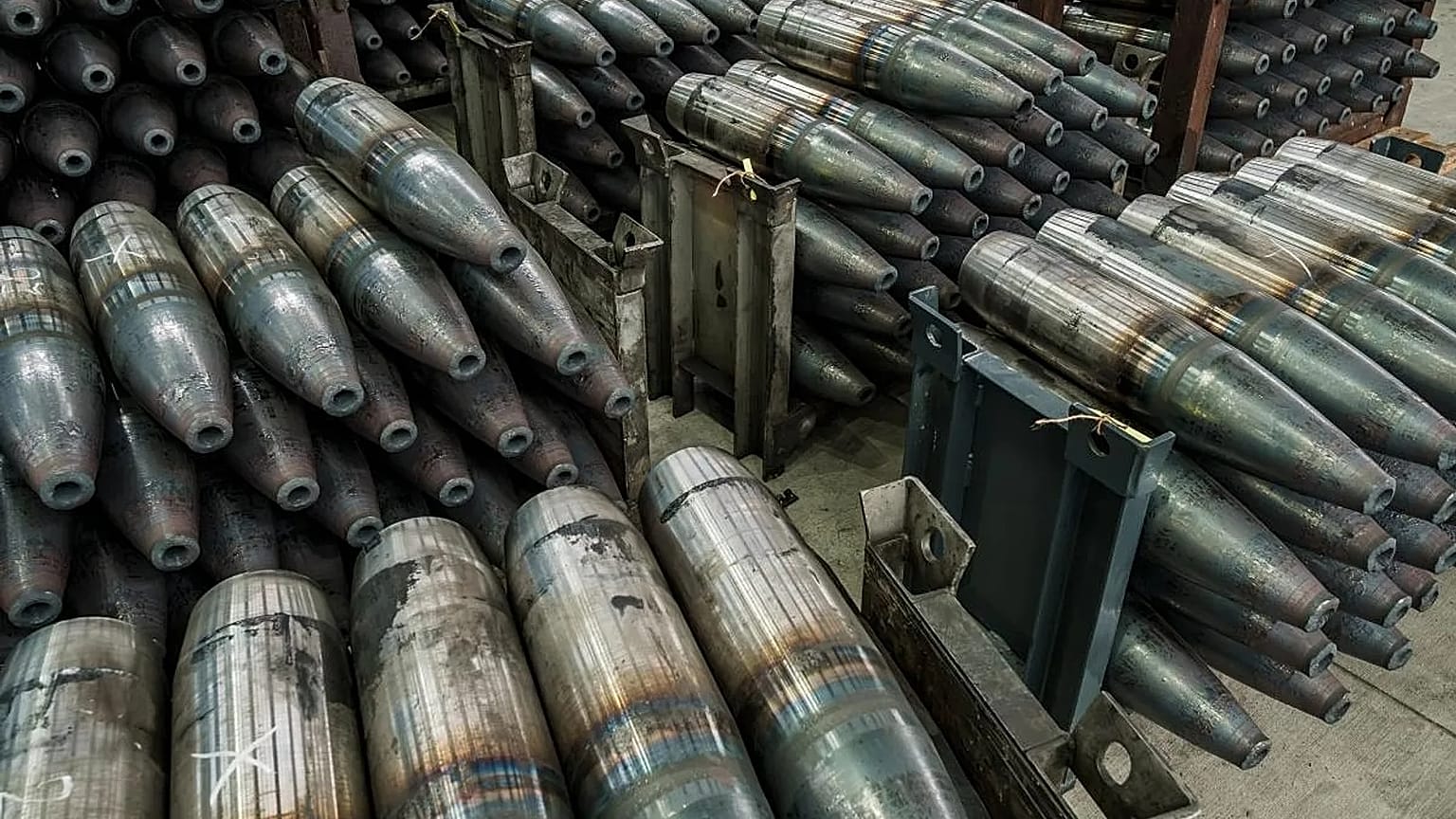
In total, nineteen EU member states have expressed interest in the SAFE programme, with funding agreements reached last September. The national investment plans of Czechia, France, and Hungary remain under consideration. SAFE is part of the Commission’s ambitious aim to allocate up to €800 billion to defence by the end of the decade, focusing on priority procurement, including ammunition, artillery systems, drones, and advanced cybersecurity technologies.
A critical aspect of the SAFE initiative is the requirement that all equipment purchased must be manufactured within Europe. Specifically, no more than 35% of the component costs can originate from outside the EU, the European Economic Area, or Ukraine. Canada has also joined the initiative through a bilateral agreement, allowing it to access the same funding levels as EU member states.
The SAFE programme is particularly beneficial for countries with lower credit ratings compared to the Commission’s, enabling them to secure more favorable financing rates. Notably, Germany has opted not to apply for SAFE funds, reflecting its strong credit rating.
EU ministers have a window of four weeks to finalize approvals for the investment plans, with initial payments anticipated in March 2026. European Commission President Ursula von der Leyen noted last year that the overwhelming interest in SAFE could lead to further expansions of the programme, as participating countries initially requested over €150 billion in total funding.
As Europe continues to navigate complex geopolitical challenges, the SAFE initiative represents a concerted effort to enhance collective security and military preparedness across the continent.