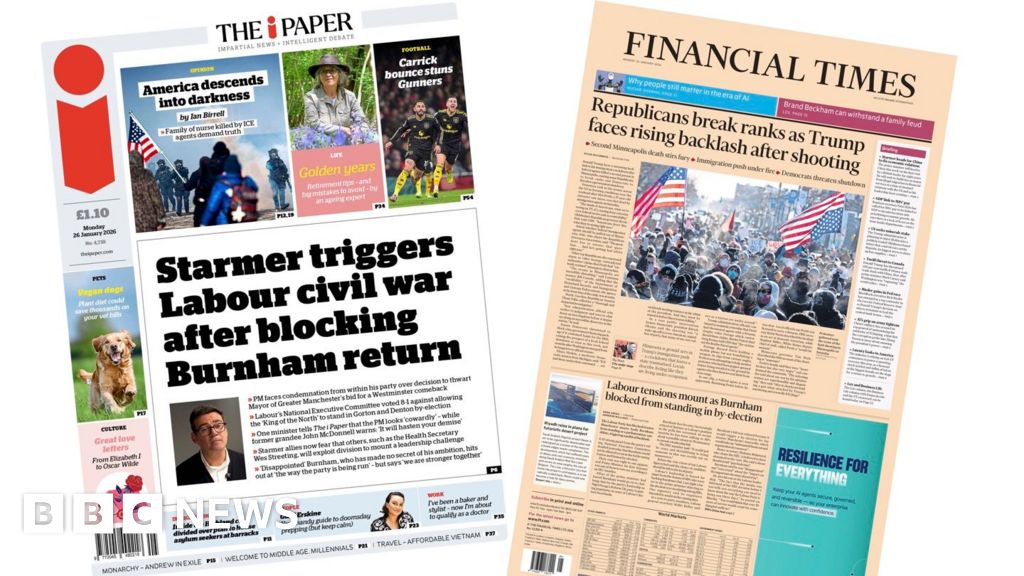
The Labour Party in the United Kingdom is grappling with significant internal conflict following a recent decision by leader Keir Starmer. This move has triggered a backlash from party members and has been described as igniting a “civil war” within the party ranks. The controversy centers on Starmer’s strategic decisions regarding policies and candidate selections, which some view as a departure from traditional Labour values.
Critics within the party have expressed their dissatisfaction, claiming that Starmer’s leadership is increasingly alienating grassroots supporters. Concerns were raised during a recent meeting of the Shadow Cabinet when several prominent members voiced opposition to the direction in which the party is headed. This dissent highlights a growing divide between the leadership and core party members, raising questions about Labour’s unity ahead of upcoming elections.
In a parallel political development, members of the Republican Party in the United States have begun to fracture over various issues, with some breaking ranks to support legislation that diverges from the party’s traditional stance. This division is particularly evident concerning recent policy proposals regarding fiscal responsibility and social programs. Some Republicans are advocating for a more moderate approach, which has led to tensions within the party, particularly as the House of Commons prepares for critical votes.
The rift within the Labour Party and the Republican Party reflects broader trends in contemporary politics, where ideological purity is often at odds with pragmatic governance. As these internal conflicts unfold, the implications for both parties could be significant, particularly as they approach pivotal elections.
The situation in the Labour Party is particularly pressing as they prepare for the local elections scheduled for May 2024. Observers are closely monitoring whether Starmer can mend the divisions or if the dissent will lead to a more profound crisis within the party. Meanwhile, Republican leaders are grappling with their own challenges, as they seek to maintain cohesion while addressing the concerns of their moderates.
As political tensions rise in both the UK and the US, the outcomes of these internal disputes may not only affect party dynamics but also shape the future landscape of political engagement. Voter reactions in the coming months will be crucial in determining how these conflicts play out in practice.