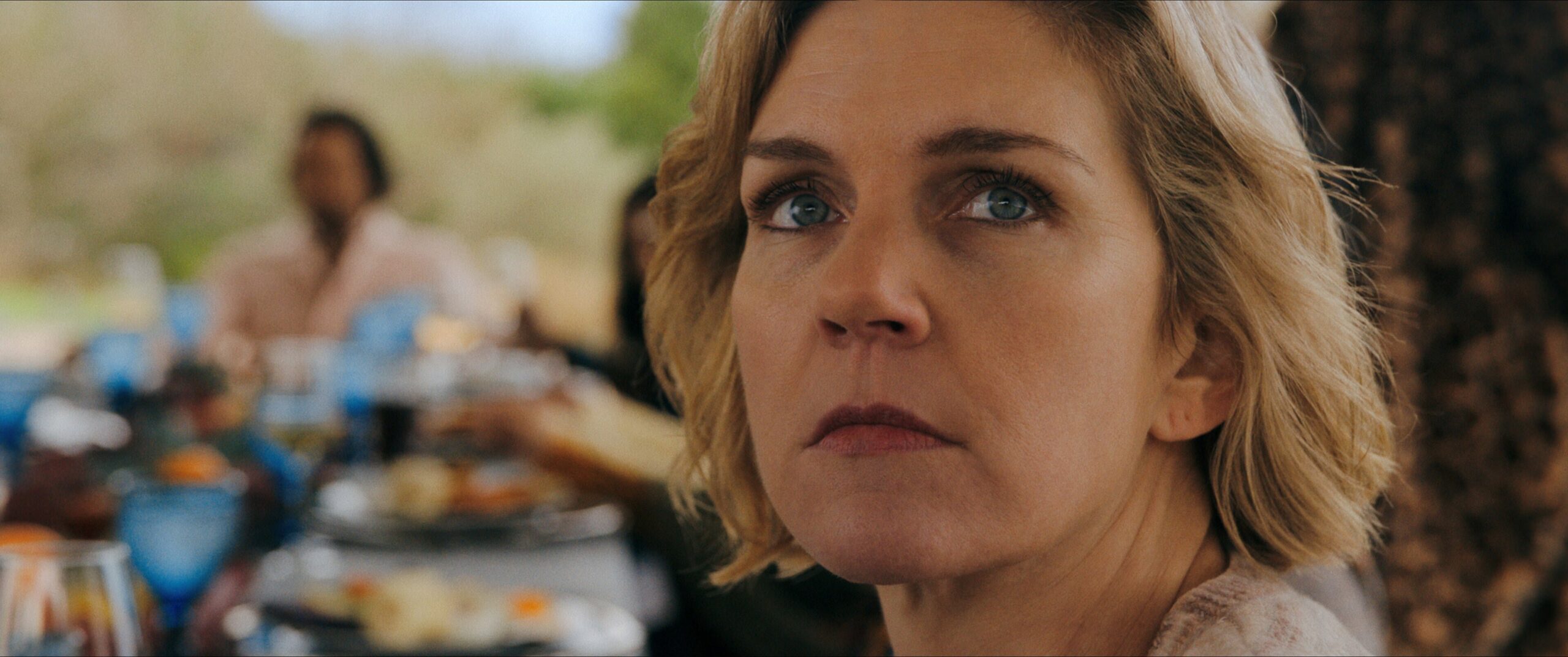
Rhea Seehorn’s remarkable performance in the Apple TV+ series Pluribus has captivated audiences and garnered critical acclaim. The show, created by Vince Gilligan, known for his work on Breaking Bad, is a thought-provoking sci-fi narrative that raises profound questions about identity and the implications of artificial intelligence (AI). Earlier this month, Seehorn won the Golden Globe for her role as Carol Sturka, adding to her earlier victory at the Critics’ Choice Awards.
In Pluribus, a devastating alien virus sweeps the globe, merging nearly all of humanity into a collective consciousness known as the hivemind. This leaves only 13 individuals who are immune, posing the question of whether they are indeed fortunate. Among them, Carol Sturka faces a harrowing reality after losing her wife, Helen, during the catastrophic “turning event.” While some survivors embrace their new existence, Carol resists, prompting the hivemind to assign her a companion, Zosia, played by Karolina Wydra. This character is designed to cater to Carol’s every need, embodying an unsettling blend of kindness and control.
The series has sparked extensive discussions online, as viewers grapple with the complexities of the hivemind’s motivations. The collective consciousness offers an alluring promise: a world devoid of suffering, conflict, and loneliness. Yet, the unsettling reality is that many of the immune survivors do not reject this new order. One even chooses to join the hivemind voluntarily.
As the narrative unfolds, Pluribus explores the trade-offs inherent in such a utopian vision. The hivemind aims to provide comfort and satisfaction but at the cost of individual identity. The show challenges viewers to consider the implications of trading personal autonomy for ease and bliss.
In a recent discussion, Gilligan addressed the parallels between the show’s themes and contemporary concerns surrounding AI. When asked if the hivemind serves as a metaphor for technologies like ChatGPT, he clarified that the concept predates the recent surge of interest in AI. “I wasn’t really thinking of AI because this was about eight or 10 years ago,” he explained. Yet, he acknowledged that many viewers may draw connections to current issues, such as the implications of AI on society.
The central conflict of Pluribus resonates deeply in today’s technological landscape. It prompts an essential question: What do we gain from AI, and what might we be sacrificing in return? The allure of a world where challenges are effortlessly managed by advanced technology presents a seductive proposition. However, it also raises concerns about the erosion of individuality and selfhood.
The series invites viewers to reflect on these themes, holding a mirror to our society and asking whether we would recognize ourselves in a world where everything is optimized for convenience. Pluribus does not merely warn against the dangers of alien intervention; it explores the quiet trade-offs that come with accepting a flawlessly engineered existence.
Now streaming on Apple TV+, Pluribus stands as a compelling narrative that challenges audiences to confront the complexities of identity in an increasingly automated world. As Seehorn’s portrayal of Carol Sturka captivates viewers, the series encourages a deeper conversation about the future of humanity in the age of AI.