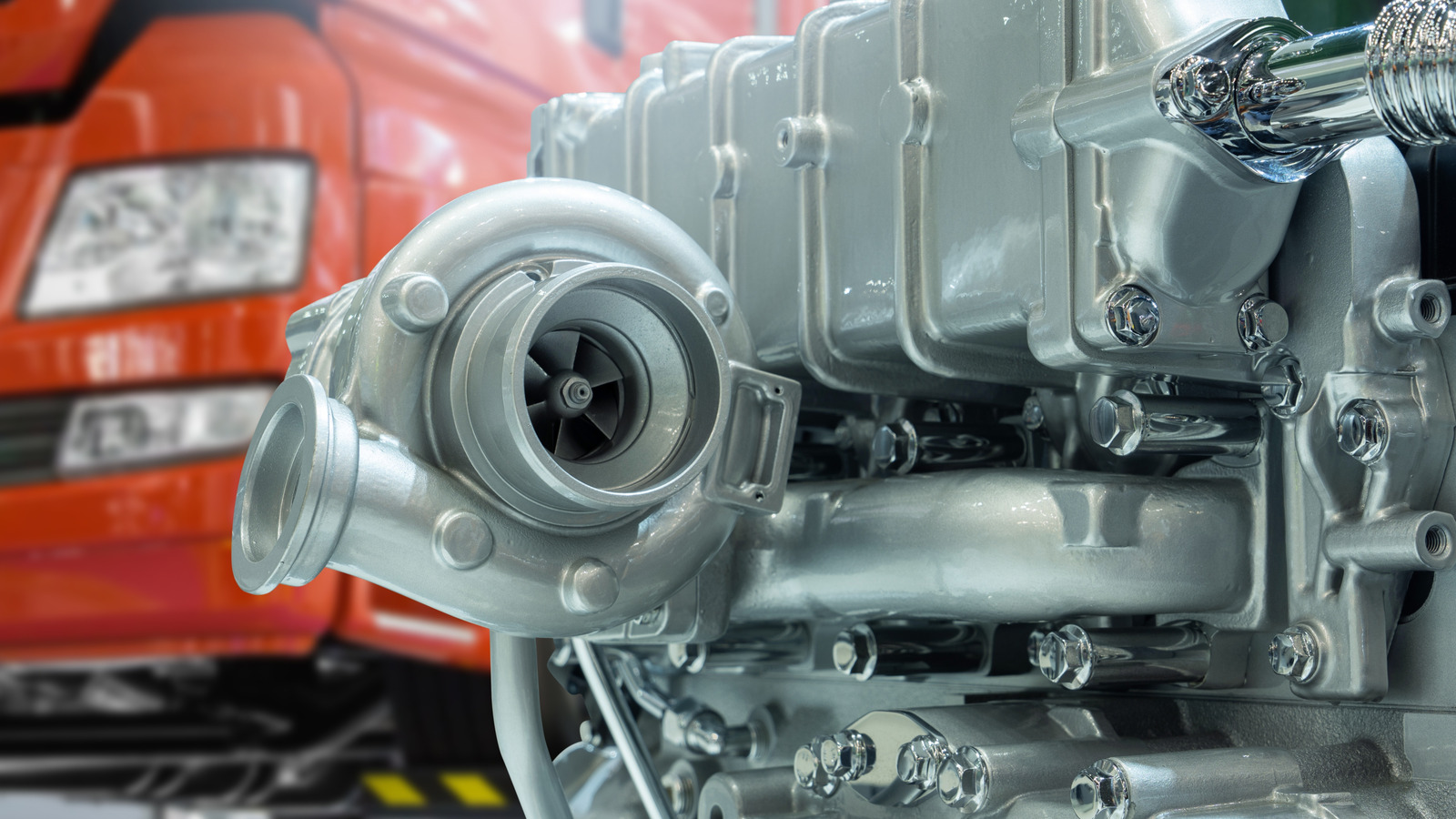
Automakers are increasingly integrating turbochargers into their vehicles to meet stringent global fuel efficiency and emissions standards. This technology enables cars to derive more power from smaller engines, thereby reducing fuel consumption without compromising performance. However, while turbochargers enhance driving experience, they can be prone to failure if not properly maintained. Understanding the warning signs of an impending turbocharger failure is essential for vehicle owners.
Signs of Turbocharger Problems
One of the first indicators that a turbocharger may be failing is a noticeable drop in power during acceleration. Drivers familiar with their vehicle’s performance will quickly notice when their car feels sluggish. If accelerating feels like dragging an anchor, it may signal issues with the turbocharger. Such power loss can stem from several factors, including restricted airflow or inadequate fuel delivery to the turbocharger. Issues such as a blocked air filter or a jammed intake hose can limit the airflow necessary for optimal engine performance.
Additionally, low turbo pressure could arise from engine oil-related problems. Any restriction in the oil supply to the turbo can lead to diminished performance, similar to airflow issues. This loss of power is not just an inconvenience; it could pose serious safety risks, especially when needing to maneuver around slow-moving vehicles. If you experience a significant power drop, it is advisable to consult a qualified mechanic promptly.
Another critical sign is abnormal noise emanating from the turbocharger. Turbocharged engines typically produce a distinctive exhaust sound, characterized by a whistle or whoosh effect. However, if a high-pitched whine reminiscent of a dentist’s drill occurs, this indicates a problem. Unusual rattling or screeching noises are also symptomatic of potential turbocharger failure. Such sounds often result from the compressor wheel blades scraping against the turbocharger housing. This issue frequently pertains to worn internal bearings, which require proper lubrication to function effectively. Regular oil changes are crucial in preventing such wear.
Visual and Diagnostic Indicators
Clouds of blue or black smoke from the exhaust are also significant warning signs. Blue or gray smoke often indicates burning engine oil, which can occur if the turbo bearings wear out or if seals crack, leading to oil leaks. When oil leaks into the intake, it can combust and create blue smoke. Conversely, black smoke suggests that the fuel-to-air mixture is incorrect, indicating that the turbocharger may not be functioning effectively.
Modern vehicles are equipped with numerous electronic sensors, including Manifold Absolute Pressure (MAP) sensors, that monitor various engine parameters. If the MAP sensors detect irregularities in turbo pressure, the Check Engine light on the dashboard may illuminate. This warning prompts drivers to seek diagnostic services, where mechanics can use onboard diagnostic (OBD) tools to assess the situation. Typical error codes, such as P0299 for underboost or P0234 for overboost, can reveal underlying issues needing attention.
Furthermore, oil leaks are a common concern with turbochargers. If you observe oil pooling beneath the turbo area or detect a burning oil smell, it may signal an external leak. Such leaks often occur when oil pipes develop cracks or gaskets fail. Given that the turbo operates under high temperatures and pressures, even minor leaks can lead to significant safety hazards, including fire risks.
Lastly, if your vehicle requires frequent oil top-ups without visible signs of contamination, the turbocharger might be consuming excess oil due to damaged internal seals. Regular servicing is vital to prevent such issues, ensuring that the turbocharger remains in optimal condition.
In conclusion, while turbochargers enhance vehicle performance and efficiency, they require diligent maintenance to avoid significant failures. Recognizing the early warning signs, such as power loss, abnormal noises, smoke emissions, and oil leaks, can help drivers take proactive measures. Regular check-ups from qualified mechanics are essential to keeping turbocharged vehicles running smoothly and safely.