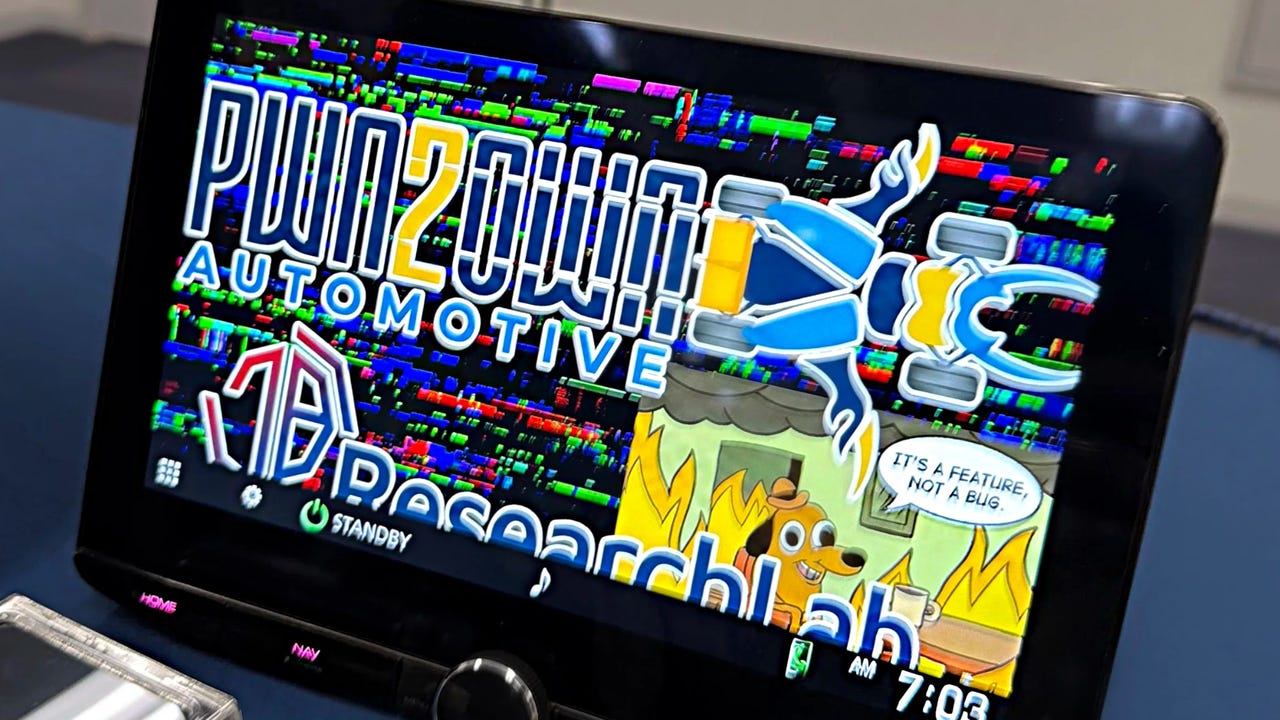
Security researchers demonstrated significant vulnerabilities in vehicle technologies during the Pwn2Own contest held at Automotive World 2026. The event, which took place in Tokyo from March 12 to March 15, showcased the capabilities of participants who successfully exploited multiple weaknesses in both vehicle infotainment systems and electric vehicle (EV) charging stations.
The Pwn2Own contest is renowned for bringing together cybersecurity experts to test the resilience of various technologies. This year, security researchers identified and exploited over a dozen zero-day vulnerabilities, highlighting the critical need for improved security measures in automotive technology. Among the notable achievements, researchers from the cybersecurity firm Trend Micro successfully hacked an infotainment system, gaining unauthorized access to vehicle controls.
One of the standout moments of the event involved the exploitation of an EV charger, where researchers demonstrated how attackers could potentially compromise charging infrastructure. This attack underscored the potential risks associated with the growing adoption of electric vehicles, which are increasingly reliant on digital technology and connectivity.
The vulnerabilities discovered during the event not only pose risks to vehicle owners but also raise concerns about broader implications for public safety. With the automotive industry rapidly evolving towards connectivity, incidents such as these could lead to significant security breaches if left unaddressed.
The findings from the Pwn2Own contest are particularly relevant as automakers and technology companies strive to enhance the security protocols of their products. Industry leaders are urged to take immediate action to address these vulnerabilities, ensuring that vehicles are equipped with robust security features to protect against potential cyber threats.
As the automotive landscape continues to shift towards electrification and increased connectivity, the urgency for effective cybersecurity measures becomes paramount. The implications of these vulnerabilities extend beyond individual vehicles, affecting the entire ecosystem of connected transportation.
The event concluded with discussions on the importance of ongoing research and collaboration between the automotive industry and cybersecurity experts. By sharing insights and strategies, the goal is to create a safer environment for consumers as they embrace the future of transportation.
The findings from the Pwn2Own contest serve as a wake-up call for manufacturers and regulators alike. As technology becomes more integrated into daily travel, the risks associated with vulnerabilities must be recognized and addressed proactively to safeguard both vehicles and their occupants.
The next steps will involve further analysis and potential updates from manufacturers who must respond to the findings, ensuring that they are prepared for the evolving landscape of automotive security threats.