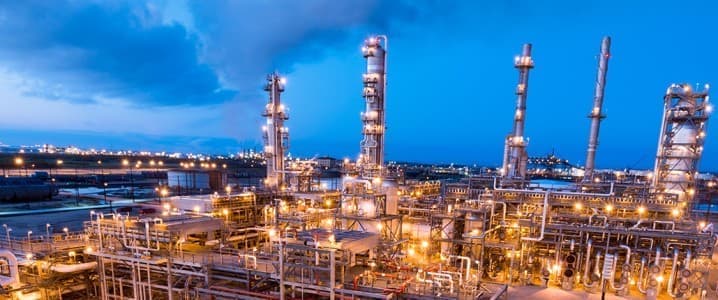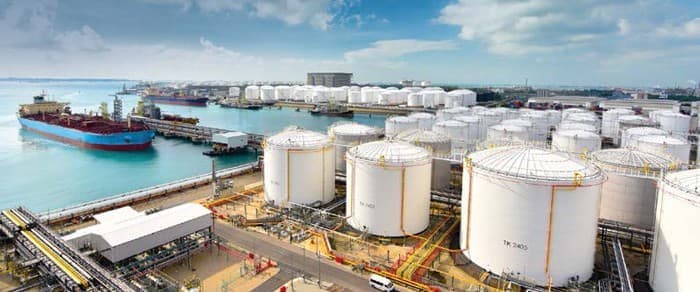
Kenya has launched its largest initial public offering (IPO) to date, aiming to raise approximately $824 million through the sale of shares in the state-owned Kenya Pipeline Company (KPC). This significant move marks the country’s first share sale in 11 years, as the government seeks to list 65% of KPC to finance essential energy infrastructure projects. The IPO commenced on January 19, 2024 and will continue until February 19, 2024.
KPC plans to sell 11.81 billion shares to both domestic and international investors, including the company’s employees. Upon completion of the IPO, KPC is projected to become the fifth largest company on the Nairobi Stock Exchange by market capitalization. The government intends to utilize the proceeds from this sale primarily for infrastructure development, particularly in the energy sector, while KPC itself will not retain any of the funds raised.
Kenya has faced escalating debt challenges, prompting reliance on programs and financial support from the International Monetary Fund (IMF). A previous $3.6 billion program with the IMF concluded last year, and discussions are underway for further assistance to alleviate the country’s financial burdens. The decision to offer shares in KPC, a key asset that operates over 1,342 kilometers of pipelines connecting Mombasa to the interior, reflects the government’s strategy to enhance its financial standing.
Plans for Expansion and Investment
The Kenya Pipeline Company has outlined ambitious capital expenditure plans amounting to $852 million for the period leading up to 2030. This investment, which is three times the total expenditure from 2021 to 2025, is intended to expand KPC’s pipeline network and develop storage facilities for crude oil and liquefied petroleum gas (LPG). Notable projects include a new eastbound pipeline from Mombasa to Nairobi, the Eldoret Malaba Kampala pipeline, and a crude oil storage facility in Mombasa.
KPC emphasized that the investments will be financed through a mix of internally generated cash flows and innovative financial strategies, including debt capital market access, special purpose vehicle (SPV) project financing, and partnerships. The company is poised to focus on enhancing operational efficiency to capitalize on anticipated growth in fuel demand across the East African market. KPC anticipates its gross profit margin will average around 61% over the next six years, compared to 57% in the previous five years.
Despite these optimistic projections, KPC faces challenges from regional competitors, particularly Uganda, which is developing its own energy infrastructure. The $5 billion East African Crude Oil Pipeline (EACOP) is nearing completion, which will facilitate crude oil exports from Uganda via Tanzania. Uganda plans to commence oil production from its oilfields in the second half of 2026, aided by partnerships with major oil companies, including TotalEnergies and CNOOC.
KPC has expressed concerns about the potential impact of Uganda’s refinery development, expected to be operational by 2029/30. If successful, this could pose a significant threat to KPC’s regional expansion strategy, particularly as Uganda aims to process its crude oil for domestic use.
Despite these risks, KPC maintains that the broader East African market will not see sufficient consumption levels to justify extensive refining operations in the near term. The company argues that refined oil imports will remain cost-competitive for the foreseeable future.
This IPO represents a critical juncture for Kenya as it seeks to bolster its energy infrastructure while navigating financial challenges. The outcomes of this significant investment initiative could reshape the country’s economic landscape and position KPC as a key player in the region’s energy sector.