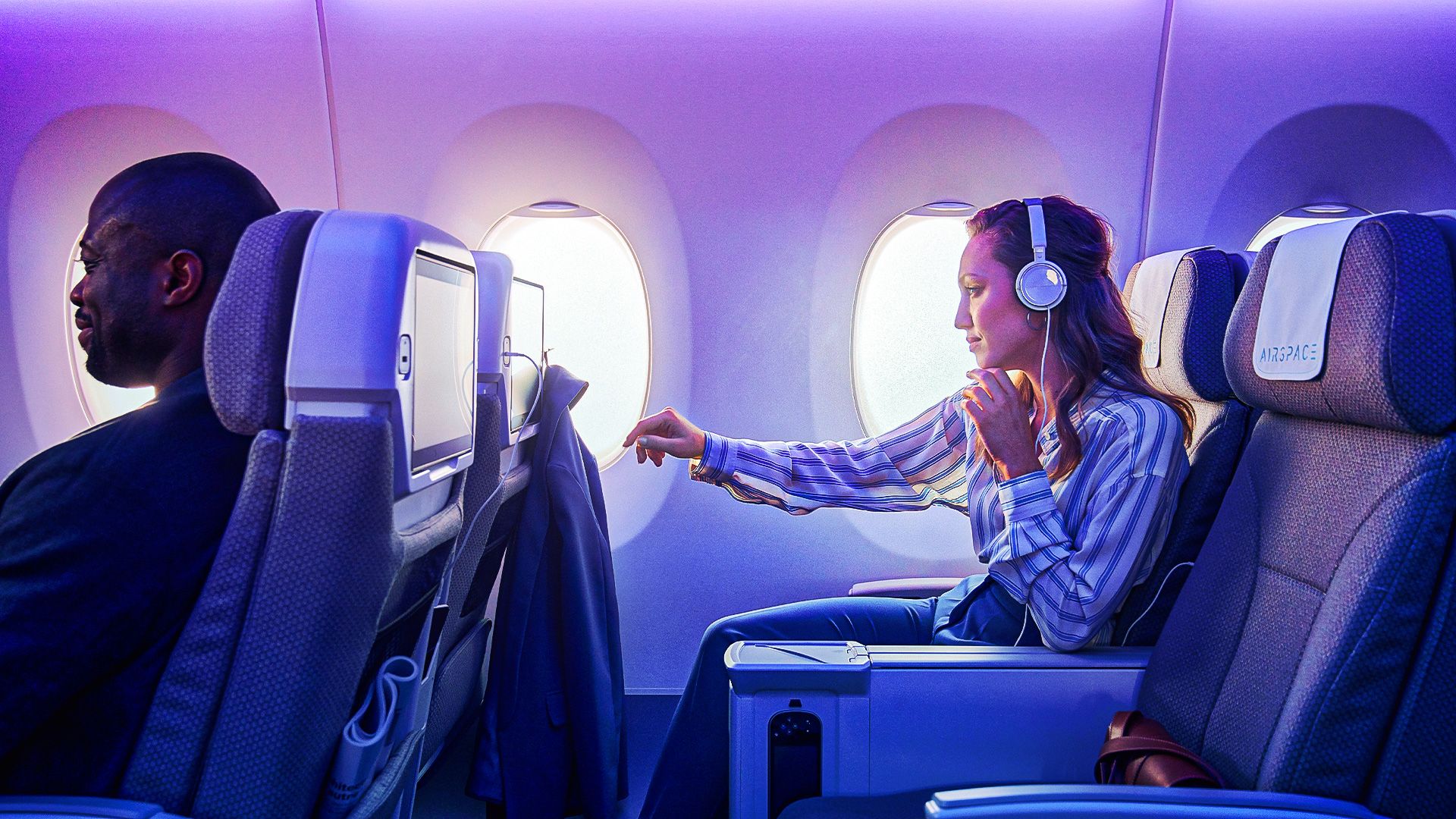
UPDATE: Premium economy is rapidly becoming the go-to cabin class for travelers seeking a blend of comfort and affordability, as airlines adapt to changing passenger preferences. This growing demand is reshaping the airline industry landscape with significant implications for long-haul travel.
With many passengers feeling the pinch of rising travel costs, premium economy offers a much-needed middle ground. Traditionally more affordable than business class, this cabin class has seen a surge in popularity as airlines like British Airways and Singapore Airlines ramp up investments in enhanced seating and service.
Latest insights reveal that premium economy typically costs 1.5× to 2× more than standard economy fares. For instance, a round-trip ticket priced at $800 in economy often jumps to between $1,200 and $1,600 in premium economy. In stark contrast, business class fares can escalate to $3,000 to $5,000 or more, making premium economy appear as the “best value” option.
Passengers are benefiting from a range of improvements in premium economy. Enhanced legroom, wider seats, and deeper recline significantly reduce discomfort, especially on long-haul flights. Airlines are reducing cabin density, creating a more relaxed atmosphere that allows travelers to arrive at their destinations feeling refreshed.
The appeal of premium economy also lies in the improved service and priority travel benefits. Airlines like Air New Zealand and Cathay Pacific are now providing upgraded meal options, larger personal screens, and noise-reducing headphones, enhancing the overall in-flight experience.
In response to shifting travel trends, airlines are making substantial commitments to expand premium economy cabins. This move not only caters to leisure travelers but also supports cost-conscious business passengers, making it easier for companies to manage travel budgets without sacrificing employee comfort.
As companies increasingly approve premium economy as a viable alternative to business class, the cabin class is becoming a strategic choice for corporate travel policies. It addresses the dual needs of cost control and employee well-being, allowing businesses to maintain productivity during long-haul flights.
The airline industry’s evolution is evident; many carriers are shrinking or even eliminating first-class sections to cut costs. The high operating expenses associated with first-class service have prompted airlines to focus on premium economy as a more economically viable option that meets the demand for greater comfort without exorbitant fares.
As this cabin class continues to evolve, its enhancements are attracting a broader range of travelers. Airlines are responding to increasing demand by retrofitting existing fleets and dedicating new aircraft to premium economy, ensuring that more passengers can experience these upgrades.
With the travel landscape shifting rapidly, it’s clear that premium economy is not just a passing trend but a pivotal component of modern air travel. Travelers looking for an improved experience at 40,000 feet now have a compelling choice that balances comfort with cost-effectiveness.
Stay tuned for more updates on this developing story as airlines continue to innovate and respond to the needs of today’s travelers.