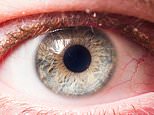
Recent data reveals alarming trends in the prevalence of glaucoma, a leading cause of blindness, with over 1 million individuals in the UK currently living with the condition. According to research conducted by the Institute of Ophthalmology, the true figure may be significantly higher, with more than half of those affected likely undiagnosed. In light of these findings, healthcare experts are urging for more frequent eye examinations, particularly among middle-aged and older adults.
Glaucoma is characterized by elevated pressure within the eye, which damages the optic nerve responsible for transmitting visual information to the brain. The condition is most prevalent among individuals over the age of 50, yet it often remains asymptomatic until significant sight loss has occurred. The study projects that by 2060, the number of people aged 40 and older living with glaucoma could exceed 1.6 million in the UK.
Urgent Call for Public Health Strategies
The findings highlight an urgent need for targeted public health initiatives to combat this growing health crisis. The study indicates that over 40% of patients with glaucoma suffer preventable vision loss due to late diagnosis. Dr. Laura Antonia Meliante, the lead author of the study, emphasized the importance of long-term healthcare planning to manage the anticipated increase in cases.
“Accurate, up-to-date estimates and long-term projections are essential for developing effective preventative strategies,” Dr. Meliante stated. The research, published in the British Journal of Ophthalmology, suggests that the growing elderly population and an increase in high-risk ethnic groups will further amplify the burden of glaucoma on healthcare systems.
Eye specialists Dr. Alexander Schuster and Dr. Cedric Schweitzer, who commented on the findings, noted that the research exposes a critical gap in prevention strategies. They advocate for a shift in focus from merely treating the condition to implementing structured case detection and treatment protocols to prevent blindness in older adults.
Demographic Insights and Future Projections
The study utilized data from the 2021–22 census, focusing on adults aged 40 and over, as glaucoma is rare in younger populations. Participants included approximately 34 million individuals, predominantly from England and Wales. Findings indicate that men have a slightly higher incidence of glaucoma, while individuals of African descent exhibited the highest prevalence, followed by those of European and Asian ancestry.
Based on current trends, researchers project a 60% increase in glaucoma cases by 2060, with the most significant rise occurring among individuals aged over 75. Alarmingly, nearly half of all glaucoma cases remain undiagnosed, particularly within ethnic minority groups, who face greater delays in diagnosis and often present with more advanced disease.
The potential consequences of untreated glaucoma are severe, with estimates suggesting that up to 16% of patients may develop blindness in both eyes by the end of their lives. Dr. Schuster and Dr. Schweitzer highlighted evidence from a Swedish trial indicating that population-wide screening at age 67 could significantly reduce sight loss related to glaucoma.
While the condition typically develops without noticeable symptoms, it can occasionally manifest suddenly, causing intense eye pain, redness, blurred vision, headaches, and nausea. Due to the silent nature of glaucoma, routine eye tests are crucial, as they often detect the disease before symptoms arise. The NHS recommends that adults undergo eye examinations at least every two years, with more frequent checks advised for those at higher risk.
Though no cure for glaucoma exists, early treatment options such as eye drops, laser therapy, and surgery can effectively slow its progression and prevent further vision loss. The economic implications of glaucoma-related sight loss are substantial, estimated to cost the UK £58 billion annually due to lost productivity and increased pressure on healthcare resources.
In summary, the rise in glaucoma cases underscores the urgency for enhanced public health initiatives and awareness campaigns to ensure early diagnosis and effective management of this potentially debilitating condition.