Research led by Lin Meng and colleagues has revealed that artificial light at night significantly extends the pollen season in cities across the Northeastern United States. This increase in pollen exposure may heighten allergic reactions among residents, according to findings published in PNAS Nexus.
Study Overview and Findings
The study analyzed twelve years of pollen data collected from twelve monitoring stations throughout the Northeastern region. By integrating these measurements with satellite data on nighttime artificial light and climate records, the researchers identified a direct correlation between increased light exposure and the duration of pollen seasons.
Researchers discovered that the presence of artificial light not only prolongs the pollen season but also raises the levels of allergens that people encounter. This phenomenon is particularly concerning for individuals who suffer from seasonal allergies, as extended exposure could lead to more severe allergic reactions and public health challenges.
Implications for Public Health
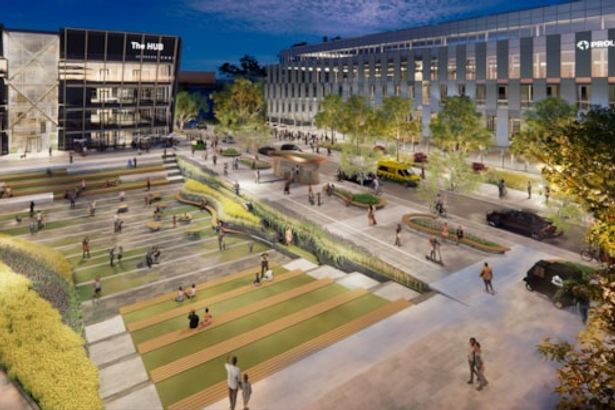
The findings underscore the potential impacts of urbanization and nighttime lighting on local ecosystems and human health. As cities expand and artificial lighting increases, the interplay between urban environments and natural pollen cycles becomes increasingly critical.
The study’s results may prompt policymakers and urban planners to reconsider lighting strategies in order to mitigate adverse health effects. Adjustments to street lighting and public areas could play a role in managing pollen exposure, especially during peak allergy seasons.
Understanding the relationship between artificial light and pollen seasons is essential for public awareness and health preparedness. As urban areas continue to grow, research such as this provides valuable insights into the environmental factors that affect community well-being.
In light of these findings, residents in affected areas may want to take precautions during the extended pollen season, such as staying indoors during peak pollen hours and utilizing air filtration systems to reduce allergen exposure.