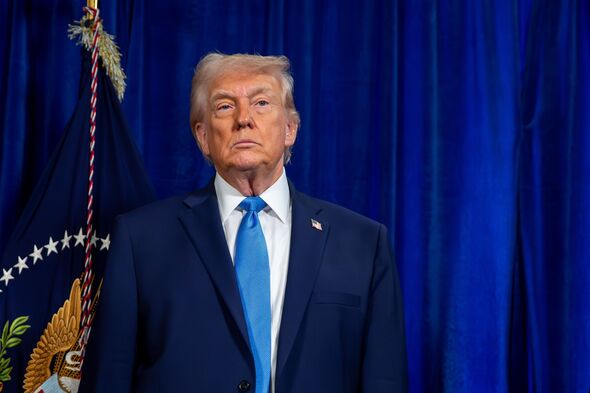
Cuba is preparing to declare a “state of war” in response to escalating tensions following the detention of Venezuelan leader Nicolás Maduro by the United States. The Cuban National Defense Council announced on Sunday that it has approved plans for implementing a nationwide “state of war” aimed at countering perceived threats from the US administration under Donald Trump. This decision reflects Cuba’s longstanding military doctrine, which emphasizes the participation of civilians in defense efforts.
The announcement, made public through state media, indicated that the measures would be based on the concept of a “war of all the people.” This strategy traces its roots back to the 1980s, during the period of the Soviet Union’s decline, when former leader Fidel Castro promoted similar initiatives. Specifics regarding the execution of these plans were not detailed in the press release.
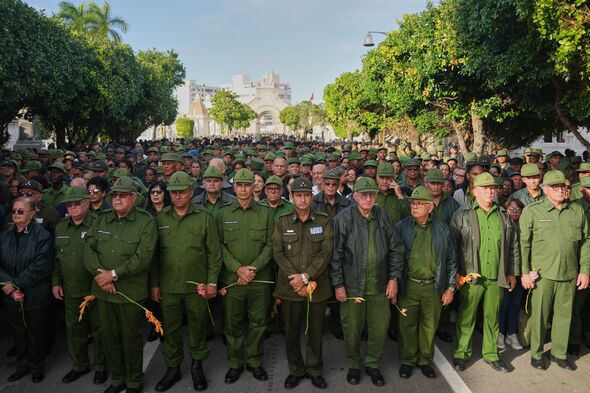
Cuba’s military readiness has been heightened as the armed forces train civilians in combat and weapons handling to prepare for any potential aggression. The backdrop to this declaration includes recent threats from the Trump administration, particularly from Marco Rubio, the US Secretary of State and son of Cuban exiles. Rubio has predicted an imminent collapse of Venezuela and announced that the country would no longer receive Venezuelan oil.
Previously, the Trump administration had intensified its efforts against Cuba, imposing stricter embargoes, blocking fuel and medical supplies, and designating the country as a state sponsor of terrorism. Despite facing significant economic challenges, the Cuban government has firmly rejected Trump’s assertions. President Miguel Díaz-Canel has been vocal in his opposition, frequently appearing in military attire during public engagements and delivering speeches that criticize US actions.
In light of the recent US raid and the arrest of Maduro, Cuba has amplified its anti-imperialist rhetoric and conducted military exercises as a show of defiance. On Sunday, the Cuban military reaffirmed its commitment, stating it is prepared to “defend the homeland, the revolution, and socialism in any circumstance, even death if necessary.”
During a public funeral for 32 Cuban guards killed in the Caracas assault, Díaz-Canel addressed the crowd with fervor, declaring, “homeland or death, we will prevail.” He emphasized the readiness of the Cuban population to fight back against any aggression, aligning his remarks with the nation’s military doctrine.
As the situation evolves, Cuba’s declaration of a “state of war” signals a significant escalation in its defense posture. The international community will be watching closely to see how these developments unfold and what implications they may have for regional stability and US-Cuba relations.