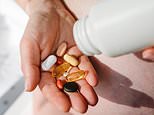
A dietitian has identified several supplements that may enhance the effects of popular weight loss medications, such as Ozempic and Wegovy. These medications, which are used by approximately one in eight American adults—about 30 million people—mimic the action of the hormone glucagon-like peptide-1 (GLP-1). This hormone plays a crucial role in regulating blood sugar, slowing digestion, and signaling satiety.
According to Ashley Koff, a California-based dietitian with over 25 years of experience, these supplements can potentially augment the benefits of GLP-1 medications. In her recent book titled Your Best Shot: The Personalized System for Optimal Weight Health – GLP-1 Shot or Not, she discusses various options available to individuals seeking to enhance their weight loss journey.
Koff spoke with the Daily Mail, highlighting that while certain well-known supplements like omega-3 fatty acids and fiber are beneficial for digestion and promoting fullness, lesser-known alternatives like berberine and Amarasate may actually support the body’s natural production of GLP-1. She emphasized, however, that no supplement can replace prescribed medication for those who require it for health management.
Understanding the Role of Supplements
Koff cautioned against misconceptions surrounding supplements. She stated, “There is a lot of misinformation about supplements. There is no ‘nature’s Ozempic.’ There’s no supplement that works exactly like the medications do because [medications] stay active for 24 hours, seven days a week.”
Berberine, derived from plants such as barberry and Oregon grape, has been used traditionally for its medicinal properties. Available in supplement form, it can cost between $10 and $50 per bottle. Koff explained that berberine stimulates bitter taste receptors in the gut, promoting the release of more GLP-1, thus complementing the effects of weight loss injections. However, she advised caution due to potential interactions with medications for blood pressure and cholesterol.
Probiotics also play a significant role in weight management. These beneficial bacteria, found in fermented foods like kimchi and yogurt, contribute to digestive health and nutrient absorption. Koff specifically mentioned Akkermansia muciniphila, a probiotic that helps reinforce the intestinal barrier and reduce inflammation, potentially enhancing GLP-1 production. Although it does not come directly from food, its levels can be increased by consuming foods rich in polyphenols, such as berries and green tea. Supplements containing Akkermansia can range from $20 to $80 per bottle.
Another supplement Koff recommended is glutamine, an amino acid prevalent in both animal and plant-based foods. While the body naturally produces glutamine, supplementation is available and typically costs between $10 and $35 for bottles containing 60 to 180 capsules. Glutamine has been shown to stimulate GLP-1 secretion and support intestinal health by reducing inflammation that might impede GLP-1 signaling.
Finally, Amarasate, derived from New Zealand hops, is another natural option that stimulates appetite control. Priced at approximately $70 to $90 for a 90-capsule bottle, this supplement works similarly to berberine, promoting the natural release of GLP-1. Koff noted that it may be particularly beneficial for individuals transitioning off GLP-1 medications, as it can help manage hunger effectively.
Conclusion
Koff’s insights highlight the potential of specific supplements to support weight loss efforts alongside prescribed medications. While these alternatives may offer additional benefits, she stresses that they should not be viewed as replacements for medications when medically necessary. Your Best Shot is now available through major retailers such as Amazon and Barnes & Noble, providing further information for those interested in optimizing their weight health strategies.