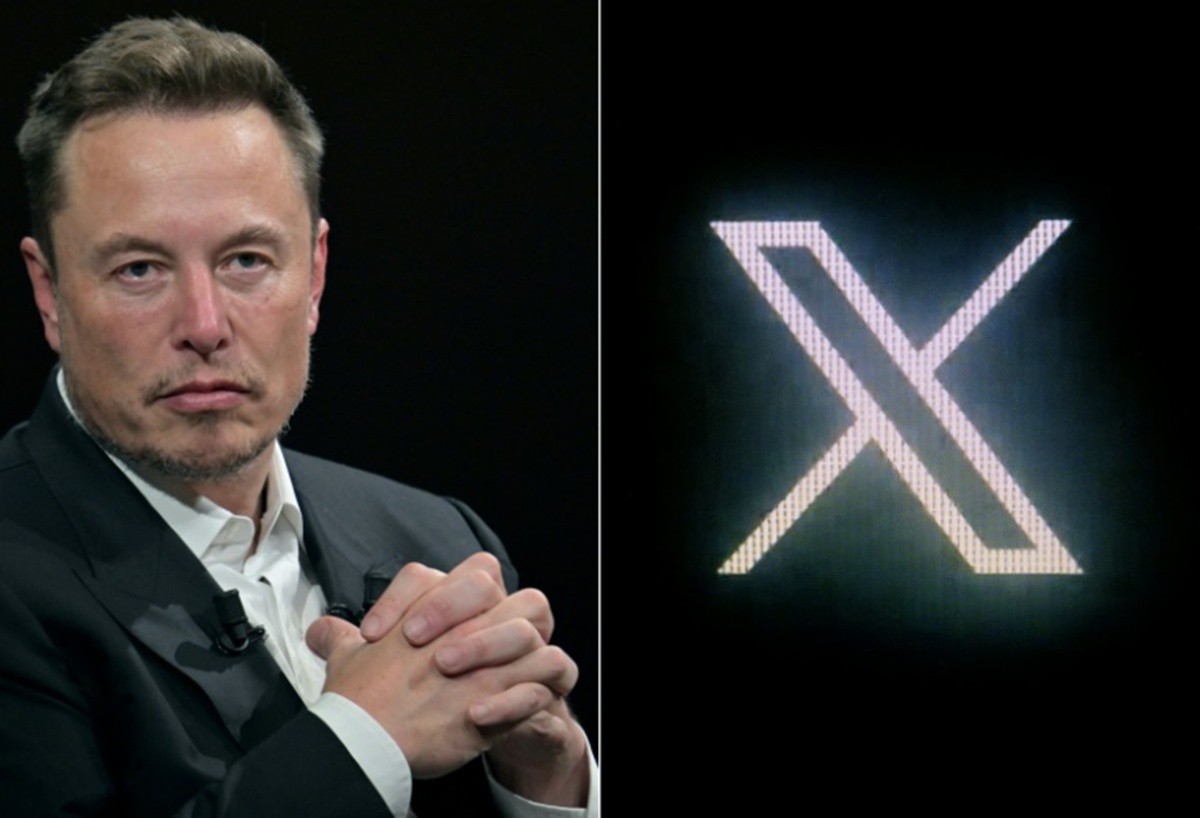
Elon Musk has asserted that overcoming human mortality through advancements in longevity research is an achievable goal. During an appearance on the Moonshots podcast hosted by Peter Diamandis on January 6, 2024, Musk described the challenge of defeating death as an “extremely solvable problem.” He emphasized that the biological mechanisms underlying the human aging process are clear and ready to be understood.
Musk’s views represent a significant shift from his prior statements in 2022, where he expressed skepticism about pursuing radical longevity technologies. He had warned that extending life could lead to societal stagnation, noting that “most people don’t change their mind. They just die.” His recent comments suggest a newfound optimism regarding the potential of artificial intelligence and biotechnology to address the complexities of aging.
In a personal experiment, Musk underwent an MRI scan and uploaded the results to Grok, his xAI company’s AI model, for analysis. Neither Grok nor his medical team identified any serious issues from the scan. This willingness to leverage technology for health insights underscores Musk’s growing interest in exploring the intersection of AI and human biology.
During the podcast, Diamandis introduced Musk to Fountain Life, a company focusing on AI-guided diagnostics and health monitoring. The company offers comprehensive health assessments, including a “200 gigabyte upload” of an individual’s data, encompassing their full genome and medical imaging.
Shifting Perspectives on Longevity
Musk’s current stance diverges from his earlier reservations about longevity research and reflects a broader trend among tech entrepreneurs. For instance, Dr. João Pedro de Magalhães, Chair of Molecular Biogerontology at the University of Birmingham, has suggested that if aging and age-related diseases were eradicated, human lifespans could potentially reach up to 1,200 years. His projections are based on current mortality rates, which indicate that only accidents and non-age-related causes would pose risks to life.
Musk’s argument is supported by examples from nature, where certain species exhibit remarkable longevity. For instance, Bowhead whales can live for over 200 years with low cancer rates, while Greenland sharks have been documented to reach ages between 400 and 500 years due to their slow metabolism and effective antioxidant systems.
Research published in December 2025 highlighted advancements in genetic engineering, where scientists managed to enhance mitochondrial proteins in mice, leading to improved metabolism, reduced inflammation, and longer lifespans. This suggests that modifications at the cellular level could serve as a potential avenue for extending life.
Concerns and Implications
Musk’s renewed focus on longevity places him among other tech billionaires who have heavily invested in anti-aging research. Jeff Bezos has backed Altos Labs, a start-up dedicated to cell revitalization technology, while Google founders Larry Page and Sergey Brin established Calico Labs to investigate the biological processes of aging. Additionally, notable figures such as PayPal co-founder Peter Thiel and Oracle’s Larry Ellison have made substantial contributions to immortality research.
Despite the promise of these technologies, bioethicists have raised alarms about the potential for increased inequality as a result of these investments. Christopher Wareham, a bioethicist, warned that if a solution to aging were to emerge, it could exacerbate existing disparities. He stated, “The longer you’re around, the more your wealth compounds, and the wealthier you are, the more political influence you have.”
Musk’s advocacy for longevity research could stimulate increased funding and attention toward the field. Yet, whether his optimism is justified remains to be seen. The convergence of artificial intelligence, genetic engineering, and biotechnology may finally provide the tools necessary to address the age-old question of human mortality, a puzzle Musk describes as “incredibly obvious.”