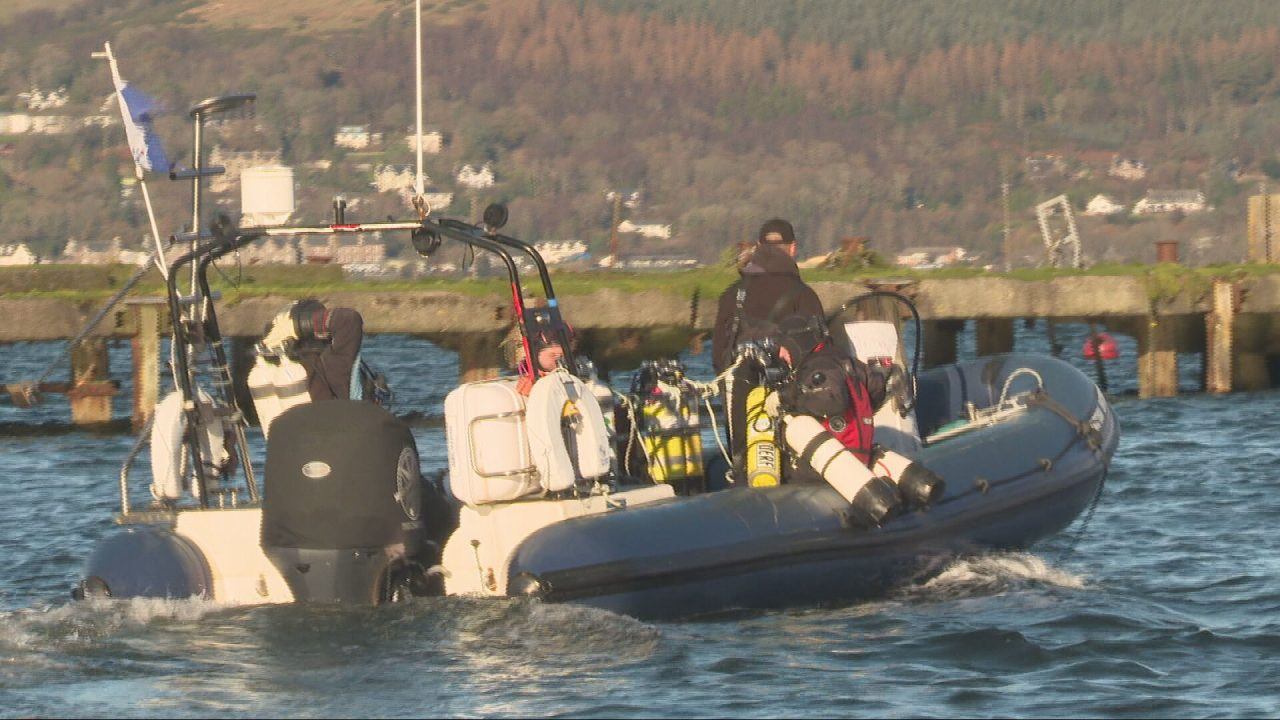
BREAKING: A crucial marine rescue operation is underway in the Clyde, where volunteer divers are urgently saving hundreds of sea creatures trapped in discarded fishing gear. This operation highlights the devastating impact of ghost fishing gear on marine life and aims to prevent further ecological harm.
Just hours ago, divers off the coast of Gourock reported retrieving abandoned fishing nets and lines from the seabed, discovering numerous small sea creatures, including starfish and crabs, ensnared and helpless. Jason Coles, skipper at Wreckspeditions Dive Charters, spoke with urgency, stating, “Seeing all these wee critters just completely helpless, just completely covered up in net and line, it tugs at the heartstrings.”
This rescue comes as experts estimate that approximately 640,000 tonnes of ghost fishing gear enter the world’s oceans annually, contributing to nearly 10% of all marine plastic pollution. The divers, part of a dedicated volunteer team from Ghost Fishing UK, emphasize the importance of addressing this hidden threat. Fred Nunn, a representative from the organization, noted, “We’re spreading out across the country to tackle the issue.”
Each marine animal rescued during this operation is carefully logged before being released back into the water. The divers are not only focusing on immediate rescues but are also working to raise awareness about the presence of marine litter in popular diving sites.
In a significant effort to combat this issue, the Fishing for Litter project is gaining traction along Scotland’s coastline. This voluntary initiative encourages fishermen to collect ocean litter in large bags provided by the program, bringing it back to shore for recycling. Julia Cant from the project reported, “In Scotland, we are averaging about 150 tonnes per annum that we are collecting, so it’s a large number.”
As the Fishing for Litter project celebrates its 20th anniversary this year, there is hope for greater participation from harbors and local communities. Authorities are encouraging residents to report sightings of ghost fishing gear, which will help further protect marine life in Scotland’s waters.
The urgency of these efforts cannot be overstated, as each report and rescue contributes to the broader fight against marine pollution. Volunteers and fishermen alike are rallying to make a difference, reminding us that every action counts in preserving our seas for future generations.
Stay tuned for more updates as this developing story unfolds, highlighting the critical work being done to save our marine ecosystems.