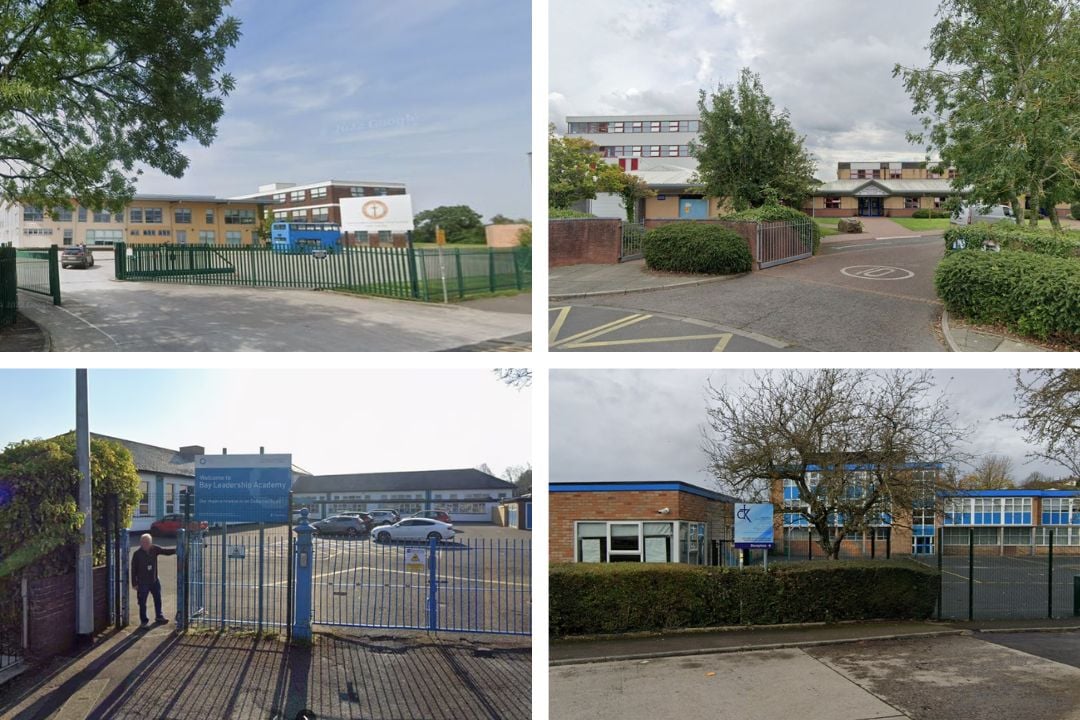
The 2023 school admission process in Lancashire has revealed a competitive landscape for secondary education. This year, 15 secondary schools in the region stood out as the most challenging to gain admission into. As parents and students navigate the complexities of school choices, understanding the factors influencing these admissions becomes crucial.
Determining the hardest schools to enter involves examining several metrics, including the number of applicants relative to available places. According to the Lancashire Education Authority, some schools received applications exceeding their capacity by significant margins. For instance, one popular school reported a staggering 7 applicants for every available spot, underscoring the high demand for quality education in the area.
Factors Influencing School Popularity
Multiple factors contribute to the popularity of these schools. Academic performance, extracurricular offerings, and reputation within local communities play a vital role. Schools consistently ranking high in standardized test scores naturally attract more applications, as parents seek institutions that promise a strong educational foundation for their children.
Additionally, schools with robust programs in arts, sports, and technology often stand out. Parents are increasingly looking for institutions that provide a well-rounded education, preparing students for a variety of career paths. As competition intensifies, schools must not only maintain high academic standards but also expand their extracurricular programs to remain appealing.
The Impact on Local Families
The struggle for admission into these schools has significant implications for families in Lancashire. Many parents find themselves weighing their options carefully, often feeling pressure to secure a place in a school that aligns with their educational values. This year’s data highlights the challenges faced by families, as some students may have to consider less desirable options due to a lack of available spots.
For local communities, the implications extend beyond individual families. Schools that consistently receive high demand also influence real estate trends, as families often prefer to live within catchment areas of reputable schools. This can drive up property values, further complicating the situation for families seeking affordable housing options near desired schools.
The insights from this year’s admissions process highlight the ongoing challenges within the educational landscape in Lancashire. As the local education authority assesses these trends, discussions around resource allocation and support for underperforming schools may gain momentum.
Ultimately, the quest for quality education remains a priority for many families, driving an ongoing dialogue about accessibility and equity in school admissions. As the landscape continues to evolve, stakeholders must address the needs of both students and parents to ensure that every child has access to the educational opportunities they deserve.