In a remarkable incident that underscores the importance of quick action during medical emergencies, Mark Moran, a 63-year-old businessman from Bristol, survived a cardiac arrest while on a bike ride in November 2024. This harrowing experience not only highlights the critical role of bystanders but also the effectiveness of modern technology in emergencies.
Mark, who was known for his active lifestyle, was cycling with friends Steve Makin and Dave Lane from Cirencester to a pub in Frampton Cotterell. Just moments away from their destination, Mark suddenly collapsed. “I felt dizzy, like I was passing out,” he recalled. “The last thing I remember is thinking, ‘This is it.’”
As Mark lay on the ground, unresponsive and not breathing, Steve sprang into action. Drawing from memories of the 2012 British Heart Foundation campaign featuring footballer Vinnie Jones, he began performing CPR. The urgency of the situation was heightened by the fact that Mark had turned blue, a sign of critical oxygen deprivation.
Steve’s determination to keep Mark alive was evident; he continued administering CPR for nearly ten minutes, even breaking three of his own ribs in the process. Meanwhile, Dave rode to find help and called emergency services. Their combined efforts were crucial, but the timely arrival of first responder Pete Bishop marked a pivotal moment in Mark’s survival story.
Pete, a volunteer for the South Western Ambulance Service Foundation Trust, reached the scene within nine minutes, aided by the what3words app on Steve’s phone, which allowed for precise location identification. Upon arrival, Pete delivered two lifesaving shocks with a defibrillator, reviving Mark just in time.
Following the incident, Mark was transported by helicopter to the Bristol Heart Institute, where he received further treatment. Remarkably, he was fitted with an internal defibrillator despite having no previous heart condition. After three weeks in the hospital, Mark was discharged, grateful for the second chance at life.
Reflecting on his experience, Mark expressed profound appreciation for the actions of his friends and first responders. He emphasized the importance of CPR knowledge, noting that fewer than ten percent of people survive a cardiac arrest outside of a hospital setting. He urged others to learn CPR, as early intervention can significantly increase survival chances.
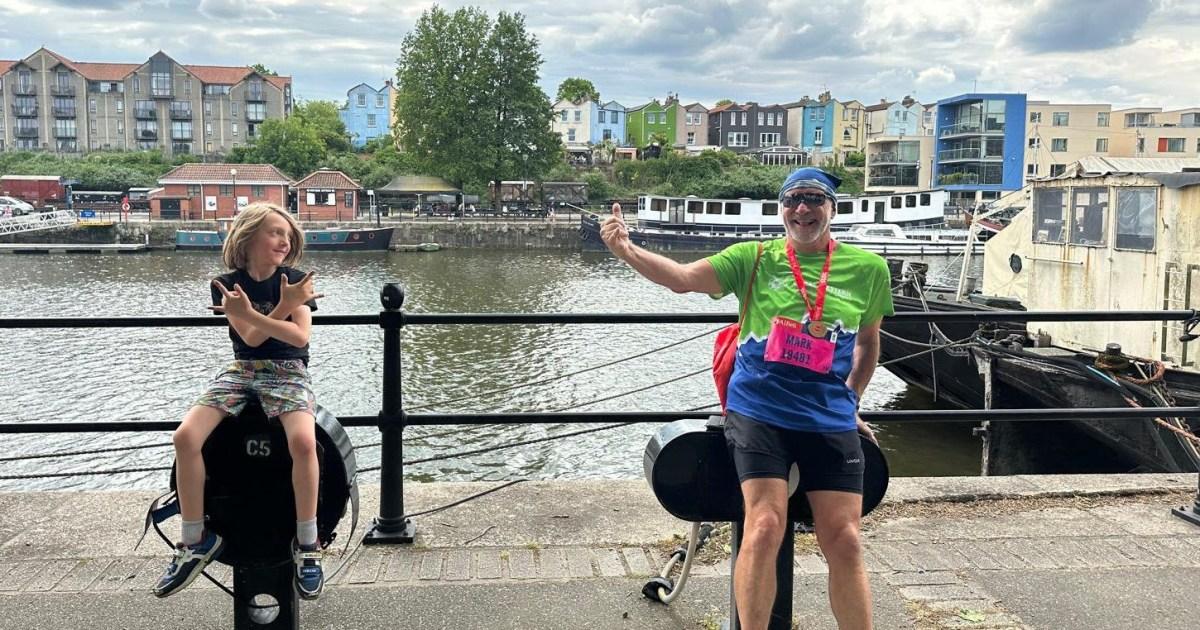
Six months later, Mark participated in the Bristol Half Marathon to raise funds for the air ambulance team that saved his life. He and his friends eventually made their way back to the pub, where they celebrated the ordinary moment of sharing a meal, a stark contrast to the extraordinary circumstances they had faced.
Mark’s story serves as a reminder of the critical role that community and preparedness play in emergencies. In the UK, NHS Charities Together is working to improve public confidence in performing CPR through initiatives funded by a £1.85 million grant partnership with Omaze. The organization aims to increase awareness and accessibility of life-saving training and equipment.
“My heart was basically stopped for 15 minutes. It’s pretty terminal,” Mark reflected. “So, I feel like the luckiest guy on the planet. Had it not been for my mates and Pete Bishop, I wouldn’t be here today.” His experience not only underscores the fragility of life but also the profound impact that swift action and community support can have in crucial moments.