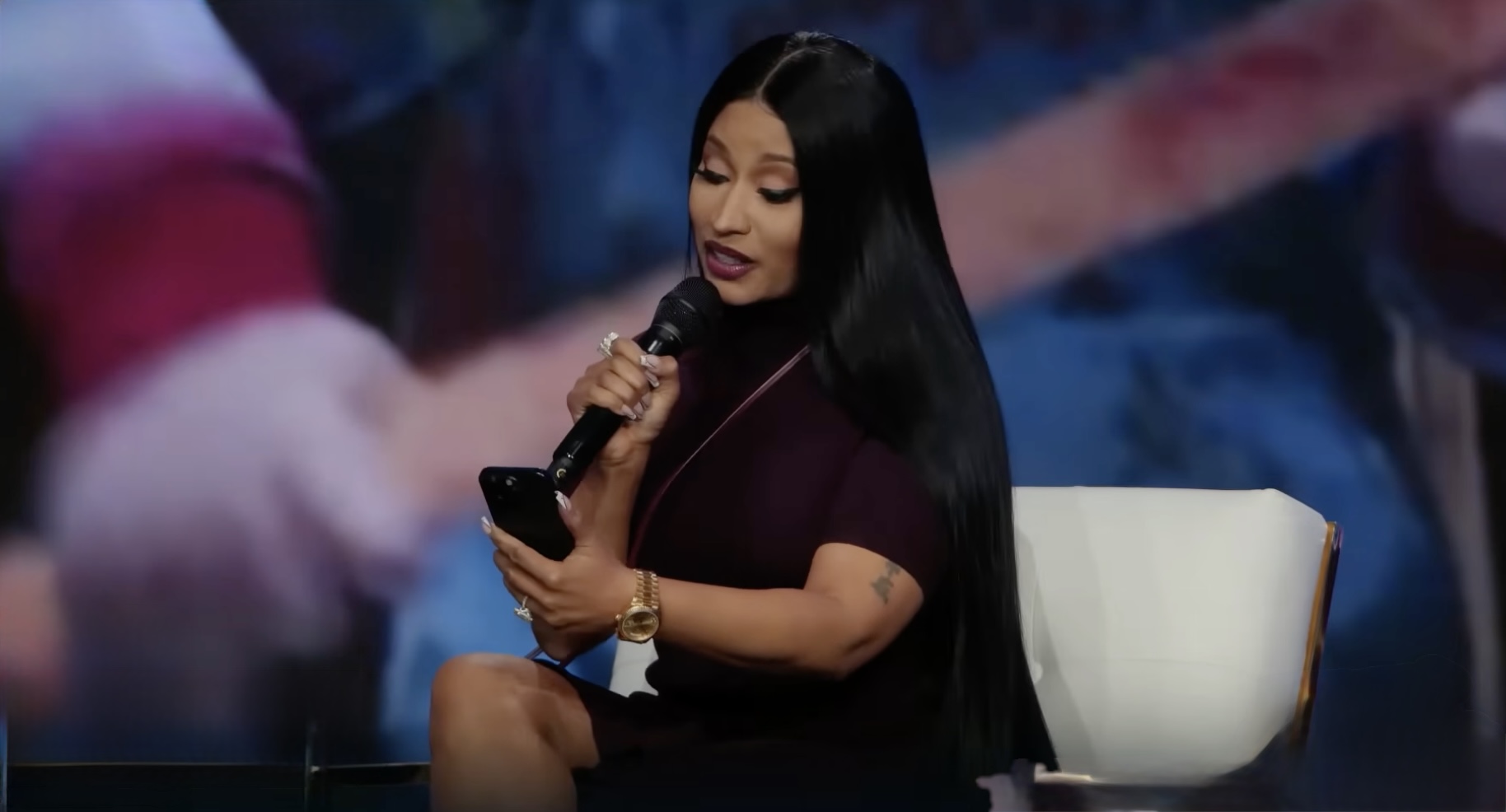
Nicki Minaj, the globally renowned rapper and cultural icon, has ignited a significant debate regarding her citizenship status in the United States. Despite living in the country since the age of five, Minaj recently revealed in a TikTok Live session that she has never officially become a US citizen. Her admission has led to a surge of online discussions, particularly among critics who are now calling for her deportation.
The controversy gained momentum after celebrity gossip columnist Perez Hilton shared a TikTok video addressing the public’s concerns about Minaj’s legal status. Hilton pointed out the irony in her support for certain political figures, including former President Donald Trump and Vice President JD Vance, while her own citizenship remains uncertain. He stated, “She’s not a US citizen,” noting that Minaj has lived in the US for over 35 years without obtaining citizenship. This revelation prompted numerous questions on social media platforms, with some users insisting that if Minaj is not a citizen, she should be deported.
During her September 2024 livestream, Minaj expressed her frustration over her status, stating, “I’m not a citizen of America. Isn’t that crazy?” She highlighted her significant financial contributions to the country, suggesting she deserved “honorary citizenship” for the millions of dollars in taxes she has paid. Despite her lack of citizenship, Minaj takes pride in her Trinidadian roots, affirming that she was “born on a beautiful island called Trinidad and Tobago.”
Minaj’s citizenship status raises questions about how she has navigated the US immigration system since her childhood. Reports indicate that the rapper is a lawful permanent resident, also known as a green card holder. This status allows her to live and work in the US indefinitely but does not grant her the right to vote or hold certain government positions. Interestingly, she is not alone in this situation; fellow artist Rihanna, also hailing from Barbados, remains a non-US citizen and has no intention of changing her status.
The public backlash intensified following Minaj’s appearance at the Turning Point USA AmericaFest in Phoenix, Arizona. During the event, she made comments that many found controversial, including a statement about gender roles. This led to a petition circulating online, which has gathered over 20,000 signatures, demanding that immigration officials reevaluate her residency status and consider her deportation based on her “harmful rhetoric.”
In contrast to the calls for her deportation, some social media users have defended Minaj, arguing that she has followed the proper channels regarding her immigration status. One TikToker noted, “Minaj did the process the way you’re supposed to do it,” suggesting that the criticism may be unwarranted.
As the debate surrounding Nicki Minaj’s citizenship continues to evolve, it highlights broader discussions about immigration and the perceptions of public figures in the United States. While her contributions to the music industry remain undisputed, the question of her legal status serves as a reminder of the complexities surrounding immigration policies and public opinion.