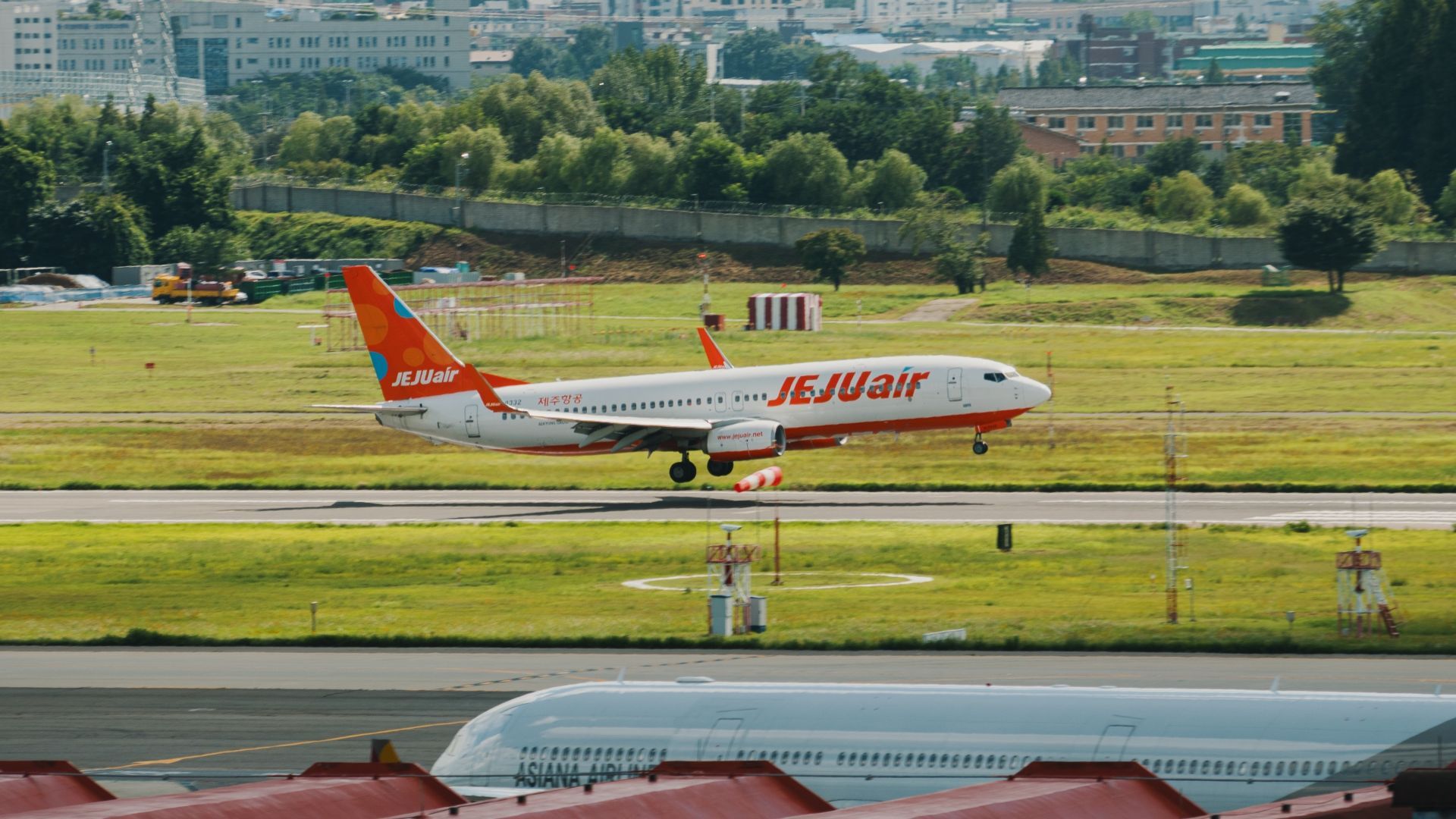
UPDATE: One year ago, on December 29, 2024, Jeju Air Flight 2216 tragically crashed at Muan International Airport (MWX), killing 179 people and leaving only two survivors. As the grieving families continue to seek closure, the investigation into this devastating accident remains unresolved, prompting urgent calls for answers.
Families of the victims are expressing their growing frustration over the lack of progress in the investigation. Despite the Ministry of Transportation acknowledging their concerns, the full report has yet to be released. Earlier this month, officials confirmed that they are working diligently to finalize the findings, but a timeline remains unclear.
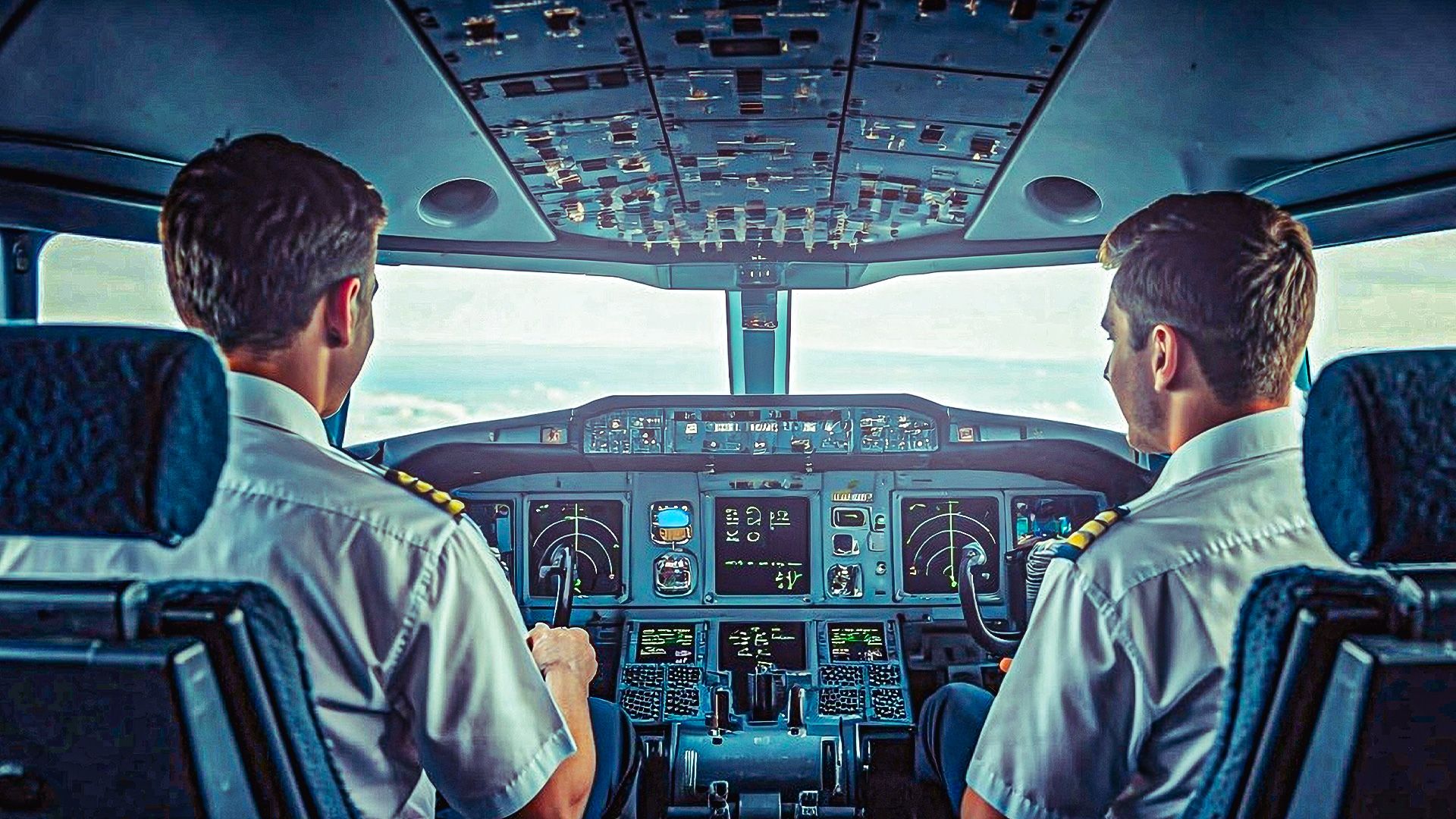
At the center of the tragedy, preliminary reports indicate that the aircrew declared an emergency due to a bird strike while approaching the runway. It is alleged that the pilots may have mistakenly shut off the wrong engine, a claim that has been strongly contested by both the victims’ families and the pilots’ union. Ryu Kum-ji, who lost both parents in the crash, voiced the collective anguish during a protest, stating, “It feels like all kinds of doubts are just growing bigger and bigger.”
As investigations proceed, South Korea’s Parliament is set to initiate an independent probe to expedite the release of crucial findings. This decision comes as international regulations dictate that such investigations should be completed within a year. However, reports from The Asahi Shimbun indicate that two officials from the investigation board have yet to disclose when the report will be made public.
The crash has heightened scrutiny over air safety protocols in South Korea, where the accident has been labeled one of the deadliest in recent history. Official records from the Aviation Safety Network reveal that air traffic control had alerted the pilots about wildlife activity prior to landing. However, the flight data recorder and cockpit voice recorder only captured moments before the “Mayday” call, leaving critical gaps in the investigation.
Witness accounts describe the harrowing scene as the aircraft, landing without deployed gear, slid down the 2,500-meter runway before colliding with a concrete mound. This impact caused a catastrophic fireball, resulting in the destruction of most of the aircraft. Investigators have since discovered that this concrete structure was not built in compliance with international standards, raising serious questions about safety regulations.
Further amplifying the tragedy, a report from an anti-corruption panel disclosed that the concrete embankment was constructed during renovations aimed at improving airport safety. The former head of the Korea Airports Corporation was found dead in an apparent suicide shortly after the crash, intensifying public scrutiny.
In the wake of the incident, the Ministry of Transportation has identified at least seven other airports that require urgent infrastructure improvements to prevent similar tragedies. Among these, Jeju Island, a major tourist destination, is also set to undergo safety upgrades, including extending the safety overrun area at Muan Airport.
As the year mark approaches, families and advocates are demanding transparency and accountability. Until the full investigation report is released, the questions surrounding the crash and the lives lost remain painfully unresolved. Authorities face mounting pressure to deliver answers that may bring closure to those affected by this heart-wrenching disaster.
Stay tuned for further updates as this story develops and as families continue their fight for justice.