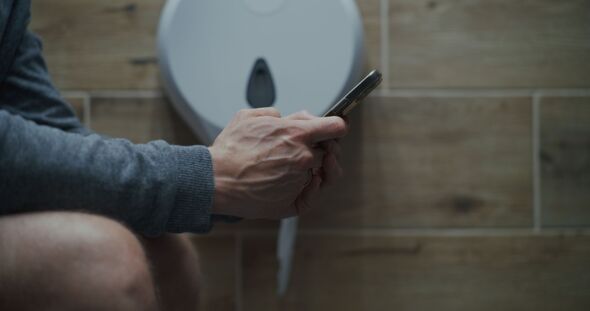
A National Health Service (NHS) doctor has issued a crucial reminder regarding a common bathroom practice that could have unintended health consequences. Dr Karan Rajan, an NHS general practitioner and author of the Sunday Times bestseller This Book May Save Your Life, emphasized the importance of adhering to a “10-minute rule” when using the toilet. He aims to raise awareness about the potential risks associated with prolonged sitting on the toilet while engaging in activities such as scrolling through a smartphone.
Dr Rajan cautioned that remaining seated for extended periods can increase pressure on the rectum and surrounding areas. While many individuals may consider it a normal practice, the doctor explained that this habit can lead to serious health issues. The primary concern is that prolonged sitting on the toilet can lead to haemorrhoids, which are swollen blood vessels in the rectal area.
According to Dr Rajan, the very design of the toilet seat can contribute to these problems. He noted, “Because the toilet seat is cut, your rectum is dangling lower than the rest of your backside.” This positioning causes gravity to act on the blood flow, leading to pooling in the rectal veins. He elaborated, “Gravity takes over and blood begins to pool, collect and clot in these rectal veins. Add in some straining and pushing, and this leads to even more pressure, causing the veins to bulge, resulting in haemorrhoids, also known as piles or bum grapes.”
The doctor highlighted that haemorrhoids can cause severe pain, itching, and bleeding. He outlined the importance of being aware of the symptoms and advised that individuals should only use the toilet when necessary. Furthermore, he recommended avoiding straining and limiting bathroom visits to a maximum of 10 minutes.
Understanding the Risks of Prolonged Toilet Use
Dr Rajan’s warnings are particularly relevant as many people may unknowingly contribute to this health risk by spending excessive time in the bathroom. Smartphones are not the only culprits; using tablets or even reading newspapers can lead to similar issues. The habit of using the toilet as a place for leisure activities is common, but it can have detrimental effects on one’s health.
The NHS also provides information on recognising the signs of haemorrhoids. Individuals experiencing symptoms should be proactive in seeking medical advice, especially if they encounter persistent discomfort or other concerning symptoms. The severity of the symptoms can dictate the appropriate actions to take.
Dr Rajan’s message serves as a reminder that habits often taken for granted can have significant health implications. The emphasis on a strict limit of 10 minutes on the toilet is a straightforward guideline that can help prevent unnecessary health complications.
In conclusion, it is essential to approach bathroom habits with awareness. By adhering to Dr Rajan’s recommendations, individuals can take proactive steps to safeguard their health and avoid the uncomfortable consequences associated with prolonged toilet use.