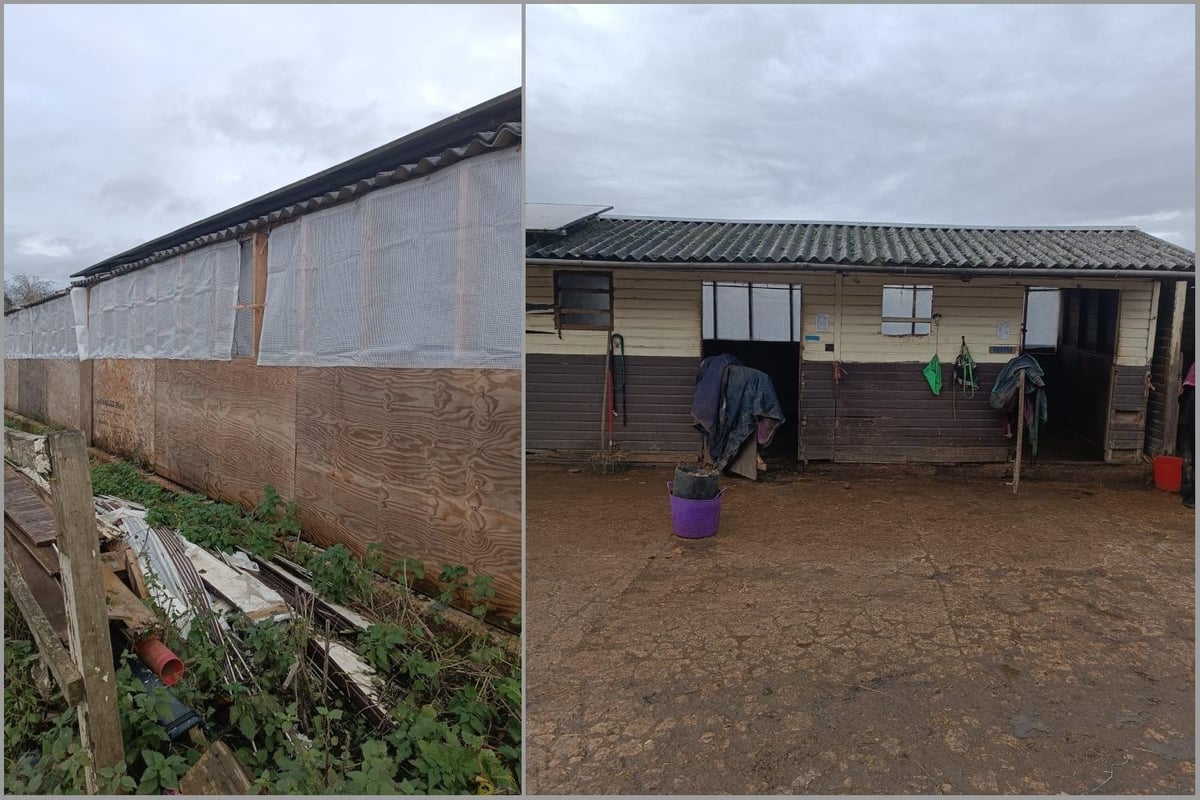
The recent closure of a riding school in Luton, dedicated to providing lessons for children with special educational needs, has led to significant backlash from its owner. The facility, which had been a valued resource for the local community, ceased operations earlier this month, prompting criticism directed towards the local council.
The riding school had been instrumental in offering therapeutic riding sessions tailored for children with various challenges. Its owner expressed deep concern over the closure, citing the negative impact on children who rely on these services for both recreational and therapeutic benefits.
In an interview, the owner stated that the decision to close the riding school was abrupt and left many families without vital support. “We were not given adequate notice, and many children are now left without a place to learn and grow,” the owner remarked. This sentiment reflects a growing frustration among parents who depend on such facilities for their children’s development.
Luton council has not publicly commented in detail about the reasons behind the closure. However, local reports indicate that financial constraints may have played a role in the decision. The riding school’s owner has urged council members to reconsider their stance, emphasizing that the benefits of the program far outweigh the costs involved.
The riding school had a history of serving the community effectively, with many families expressing their gratitude for the support it provided. Children participated in regular lessons that not only taught them riding skills but also offered social interaction and confidence-building experiences.
As discussions continue, the local community remains hopeful that the council will reconsider the closure and explore options to reinstate the riding school. This situation highlights the importance of accessible programs for children with special educational needs and the vital role they play in fostering inclusion and personal growth.
The owner has called for a meeting with council representatives to discuss potential solutions, aiming for a collaborative approach to restore this essential service. Families affected by the closure are encouraged to voice their concerns, as community support may influence the council’s decision-making process moving forward.
In the meantime, parents are left searching for alternative programs that can provide similar support for their children, a situation that underscores the pressing need for continued advocacy for inclusive recreational activities.