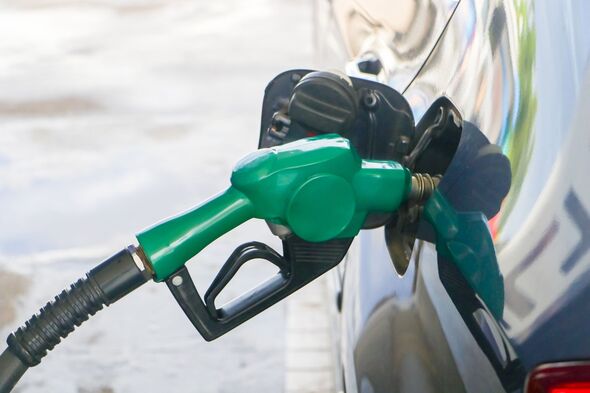
Petrol drivers in the UK will incur costs of approximately 17p per mile for road usage in December and January, according to recent findings. The Department for Energy Security and Net Zero reports that the average petrol price currently sits at 136.23p per litre. This figure, combined with data from the motoring and insurance website Nimblefins, reveals that the average fuel economy of petrol vehicles is 36 miles per gallon (mpg).
Despite a slight decrease in fuel prices from nearly 137p per litre previously, the reduction is insufficient to lower the projected average cost per mile. Long-term forecasts indicate that motorists will pay around £172.03 to drive 1,000 miles. Over an average annual distance of 8,000 miles, this amounts to a total expenditure of approximately £1,376.25 for fuel.
In December, the costs for drivers were slightly higher, with an average of £173 for every 1,000 miles and around £1,384 for 8,000 miles. The new data emerges amid warnings from the Competition and Markets Authority (CMA) regarding persistently high fuel margins, even as prices at the pump have decreased.
The CMA has emphasized that fuel margins remain elevated compared to historical levels. In a statement earlier this month, Dan Turnbull, Senior Director of Markets at the CMA, noted, “Fuel margins remain at persistently high levels – and our new analysis shows operating costs do not explain this. This indicates competition in the sector is weak – if it was working well, drivers could see lower prices at the pump.”
The CMA’s findings are particularly concerning for petrol and diesel drivers, especially during the winter months when many families undertake travel across the country. To assist motorists, the CMA has introduced a fuel finder scheme aimed at empowering consumers and helping them save on fuel costs.
As drivers prepare for journeys in the coming months, the high cost of fuel continues to be a pressing issue, reflecting broader economic challenges affecting households across the UK. The persistence of high fuel margins highlights the ongoing need for transparency and competition within the fuel market, ensuring that motorists can benefit from fair pricing.