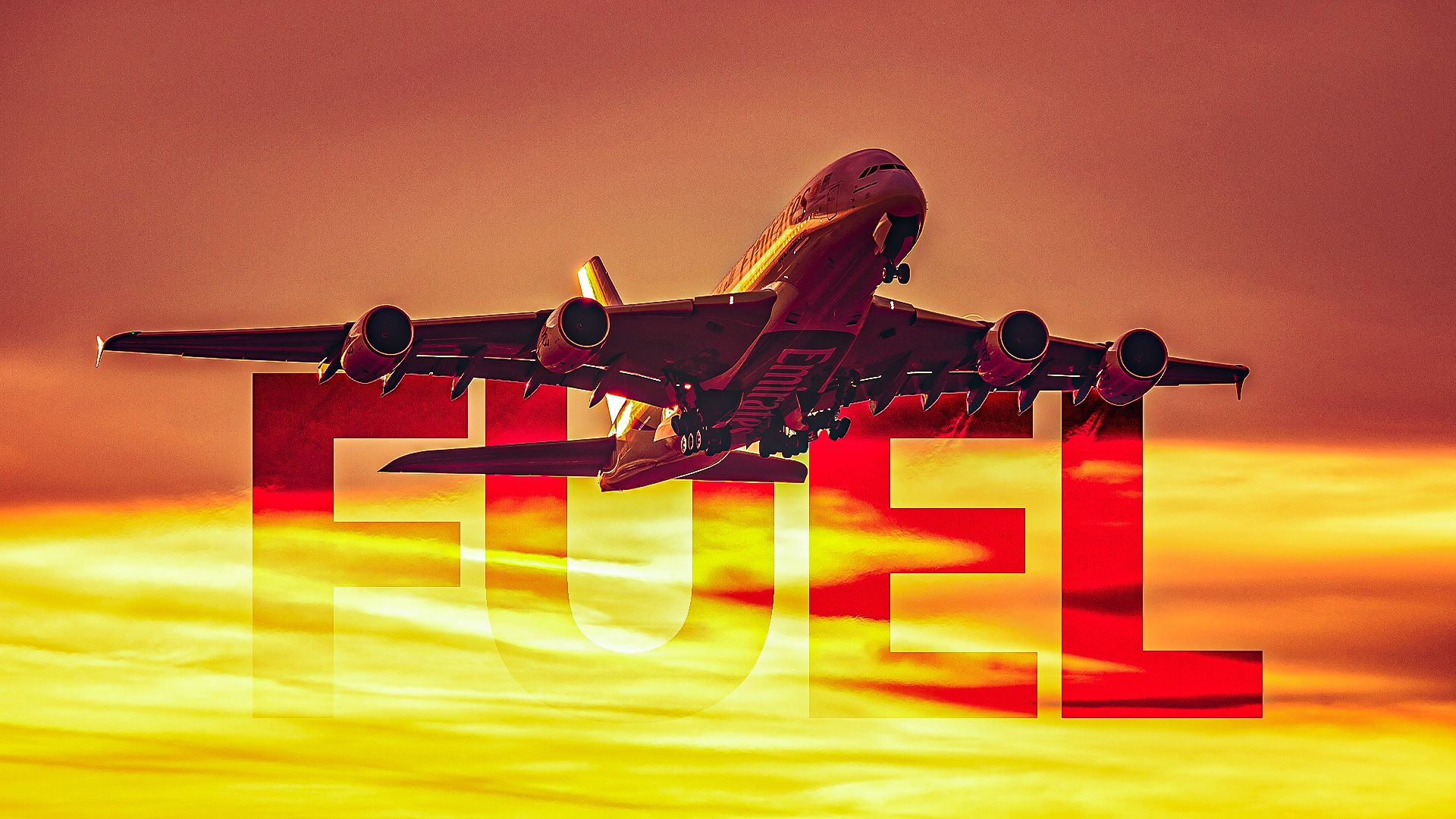
UPDATE: The Airbus A380, known as the “Superjumbo,” has been confirmed to carry an astonishing amount of fuel—up to 254,000 kg—which is nearly 60% more than the largest military tankers, including the retired KC-10 Extender. This shocking revelation highlights the aircraft’s capacity to transport significantly more fuel than its military counterparts, raising questions about operational strategies.
Recent comparisons show that the A380 can hold almost triple the fuel of current aerial refueling tankers. This immense fuel capacity allows the Airbus A380 to operate on ultra-long-haul flights, exceeding 8,000 nautical miles (approximately 15,000 km) while carrying over 500 passengers.
But why does this matter RIGHT NOW? With rising fuel costs and logistical challenges in military operations, understanding the A380’s capabilities could impact future aircraft design and military strategies. The United States Air Force (USAF) and other military forces prioritize operational flexibility, which the A380’s size limits.
The A380’s engineering is designed for high-density air corridors, featuring an automated fuel control and monitoring system (FCMS) that redistributes fuel across 11 tanks to ensure optimal balance and efficiency during flight. This system allows for safe landings with full fuel tanks—a capability not commonly found in military aircraft.
Military tankers like the Boeing KC-46 Pegasus and KC-135 Stratotanker are significantly smaller, designed for flexibility and rapid deployment. They deploy across a variety of airfields worldwide, providing essential support to combat aircraft. The A380’s size would limit its operational reach, making it a larger target in potential conflict zones.
Moreover, military strategies emphasize not “putting all your eggs in one basket.” A loss of an A380-sized asset in a conflict could jeopardize missions, whereas multiple smaller tankers can ensure ongoing operations even if one is lost.
As of July 15, 2025, the Next-Generation Air-Refueling System (NGAS) is expected to further revolutionize this field, focusing on smaller, more versatile tankers, thereby shifting away from the super tanker concept represented by the A380.
The A380 has also proven its resilience; in emergencies, it can safely land with a maximum takeoff weight. This feature is crucial for airlines given the soaring costs of aviation fuel, making every flight a significant financial investment. Airlines face a potential loss if an emergency landing occurs shortly after takeoff due to the millions of dollars invested in fuel alone.
In summary, the Airbus A380’s ability to carry a staggering amount of fuel not only showcases its engineering marvel but also poses critical questions about military logistics and air operations. As military and commercial aviation continue to evolve, the implications of such capacities will be felt across the industry.
Stay tuned for more updates as this story develops.