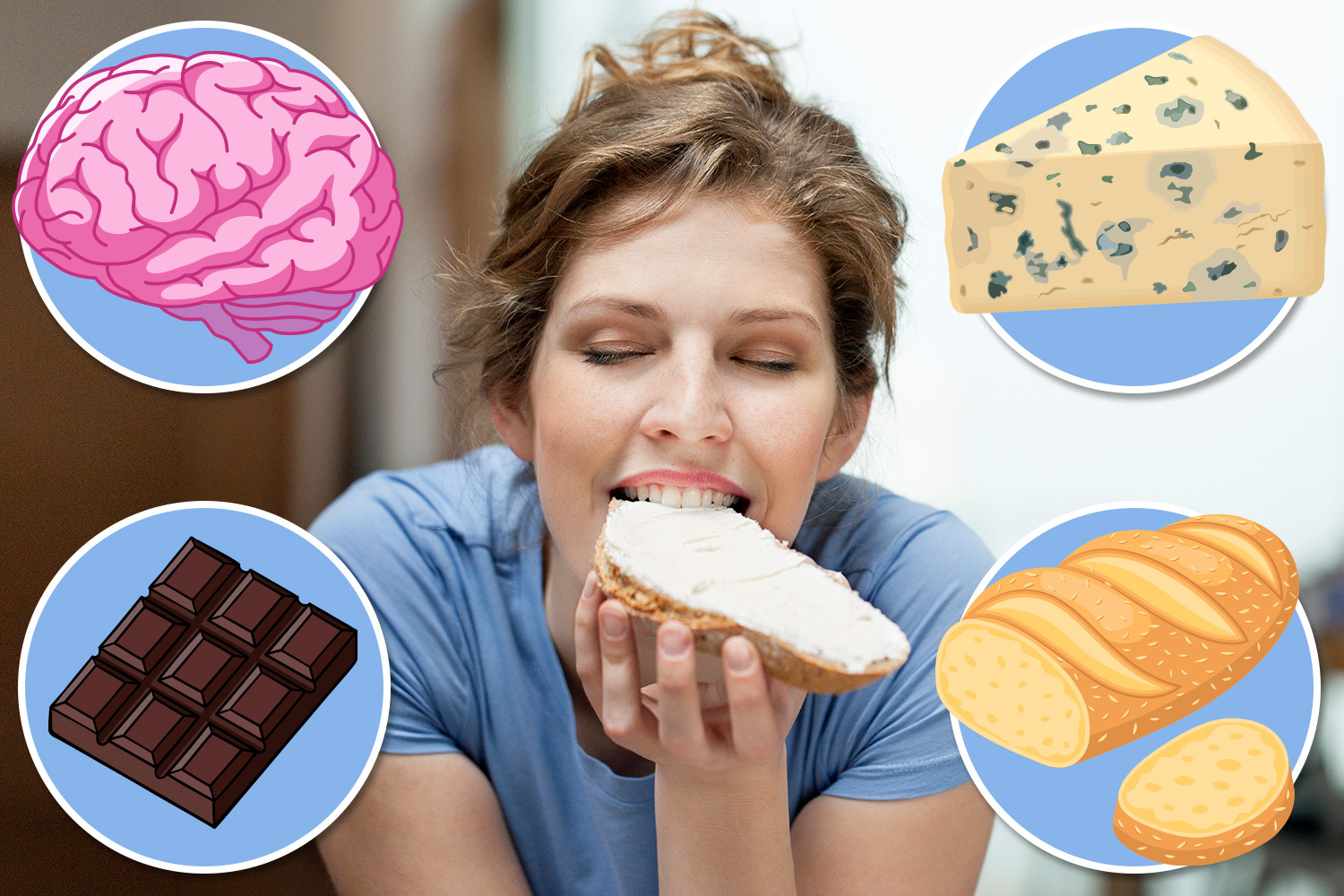
Recent research suggests that indulging in certain foods, such as cheese, chocolate, coffee, and sourdough bread, may not only satisfy cravings but also contribute to better brain health and potentially reduce the risk of dementia. A study published in the journal Neurology indicated that cheese consumption could lower dementia risk among individuals in Japan. While the findings warrant caution due to the study’s methodology, they align with earlier research linking dairy consumption to protective effects on cognitive function.
In a separate investigation by King’s College London, researchers identified a compound in dark chocolate that may help slow the ageing process. These findings underscore the potential health benefits of fermented foods, which include not only chocolate but also coffee, bread, and beer. Fermented foods are associated with various health advantages, particularly in promoting gut health, reducing inflammation, and enhancing immune function.
Professor Tim Spector, an epidemiologist and medical doctor, emphasizes the significance of fermentation in food preparation. In his book, Ferment: The Life-Changing Power of Microbes, he discusses how fermentation, a process involving microorganisms like bacteria and yeast, can transform food into health-enhancing products. He explains, “Fermentation simply means the chemical transformation of any food or drink, with the help of yeast, bacteria or other microbes, often producing bubbles or heat.”
The health benefits of a healthy gut microbiome are well-documented. It plays a crucial role in physical and mental health, with a diverse population of beneficial microbes outnumbering harmful bacteria. Fermented foods contain live cultures that help maintain this microbial balance. According to Spector, “Inflammation is now linked to increased risks of all types of cancer,” highlighting the potential importance of diet in cancer prevention.
Spector categorizes fermented foods into tiers based on their microbial diversity, noting that kimchi and kombucha rank highly due to their multiple strains of beneficial microbes. He points out that even some fermented foods with dead microbes can still offer health benefits, suggesting that certain beers may contribute positively to health despite their alcohol content.
Among these foods, coffee is often overlooked as a fermented product. Coffee beans undergo fermentation before roasting, which enhances their nutritional profile and flavor. Spector notes that coffee is beneficial for gut health and may lower the risk of conditions like heart disease and type 2 diabetes. “Two cups of black coffee contain more fibre than a banana,” he remarks, reinforcing coffee’s status as a health food when consumed in moderation.
Dark chocolate also presents health benefits, largely due to its high polyphenol content. Spector explains, “Observational studies have shown a reduced risk of heart disease, strokes, and diabetes from regular chocolate eating.” He recommends opting for dark chocolate with at least 70 percent cocoa to maximize health benefits while minimizing sugar intake.
Sourdough bread is another fermented option that can enhance health. Unlike regular bread, which often contains added yeast, sourdough relies on natural fermentation. Spector advises consumers to seek out authentic sourdough made with minimal ingredients. He notes, “Real sourdough contains very few ingredients: just flour, salt, and water.”
Incorporating fermented foods into your diet is not only possible but can also yield health improvements over time. Initial experiences may include bloating, but many individuals report reduced gut health issues within two weeks of increased fermented food consumption.
As the festive season approaches, indulging in your favorite foods can be more than just a treat. The potential cognitive and health benefits of cheese, chocolate, coffee, and sourdough bread invite consumers to enjoy these foods while actively caring for their well-being.