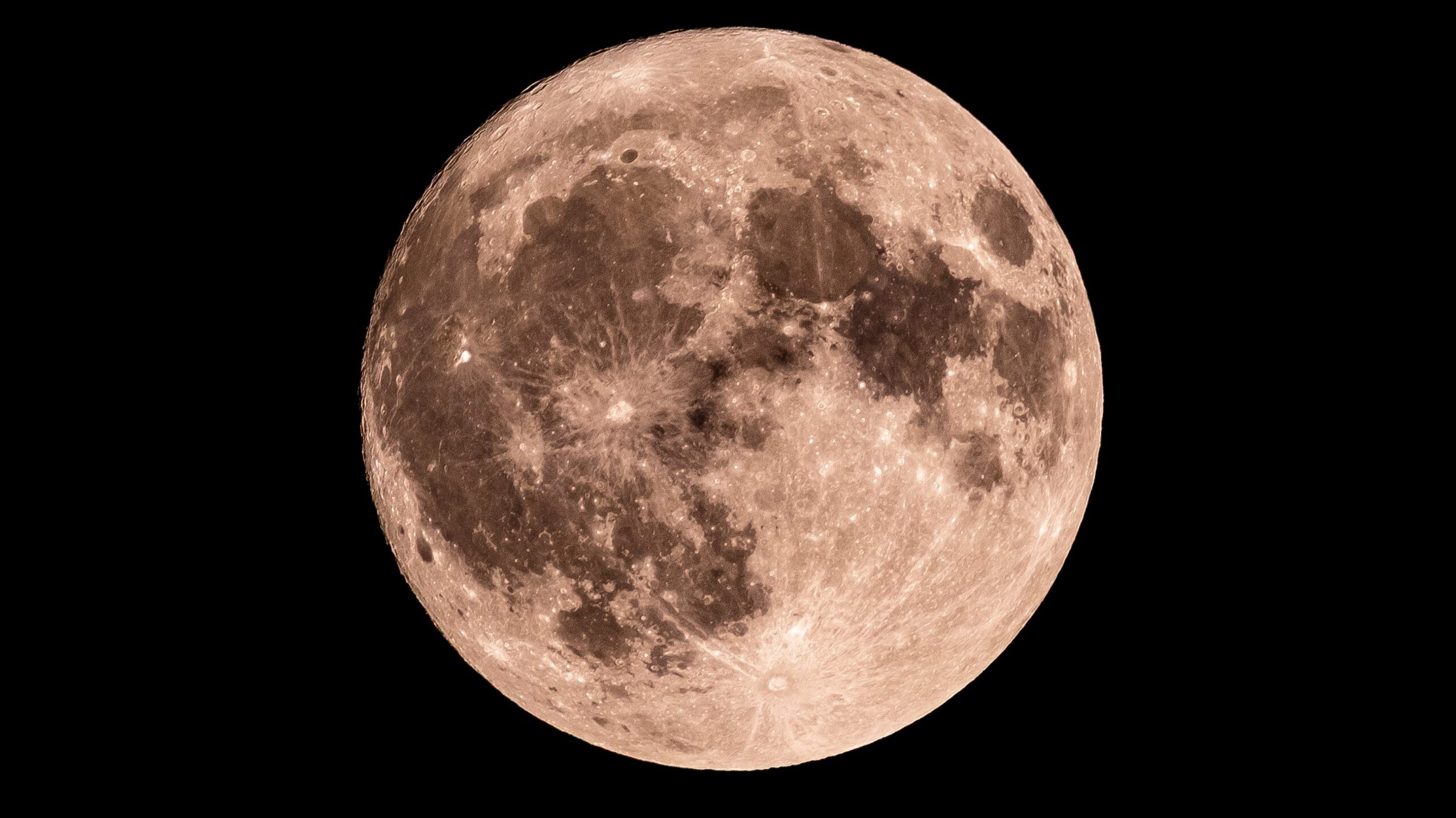
On December 26, the Moon enters the Waxing Crescent phase, offering a striking view for those gazing at the night sky. As of this date, approximately 37% of the Moon’s surface will be illuminated, according to data from NASA’s Daily Moon Observation. This phase marks a significant point in the lunar cycle, which spans about 29.5 days as the Moon orbits Earth.
The Waxing Crescent provides an excellent opportunity for both casual observers and astronomy enthusiasts. Without any equipment, viewers can spot the prominent lunar features known as the Mares Crisium, Fecunditatis, and Serenitatis. For those equipped with binoculars, a closer look reveals the Endymion Crater and the Posidonius Crater. Utilizing a telescope enhances the experience further, allowing observers to identify the historic landing sites of Apollo 11 and Apollo 17, as well as the Rupes Altai.
Understanding Lunar Phases
The Moon’s appearance changes due to its orbit around Earth, which causes varying amounts of sunlight to illuminate its surface. This phenomenon is categorized into eight main lunar phases:
– **New Moon**: The Moon is positioned between Earth and the Sun, rendering it invisible.
– **Waxing Crescent**: A small illuminated sliver appears on the right side.
– **First Quarter**: Half of the Moon is illuminated on the right side, resembling a half-moon.
– **Waxing Gibbous**: More than half is lit, approaching fullness.
– **Full Moon**: The entire face is illuminated and visible.
– **Waning Gibbous**: The illuminated portion begins to shrink on the right side.
– **Third Quarter (or Last Quarter)**: The left side is illuminated, appearing as another half-moon.
– **Waning Crescent**: A thin crescent remains illuminated on the left side, leading back to the New Moon phase.
The upcoming full moon will occur on January 3, following the last full moon on December 4. Understanding these phases not only enriches the appreciation of our lunar neighbor but also connects enthusiasts with the natural rhythms of our solar system.
As the Waxing Crescent lights up the night sky, it serves as a reminder of the Moon’s beauty and complexity, inviting people to explore and observe its many features. With the right tools and a clear sky, tonight could be a memorable experience for stargazers.