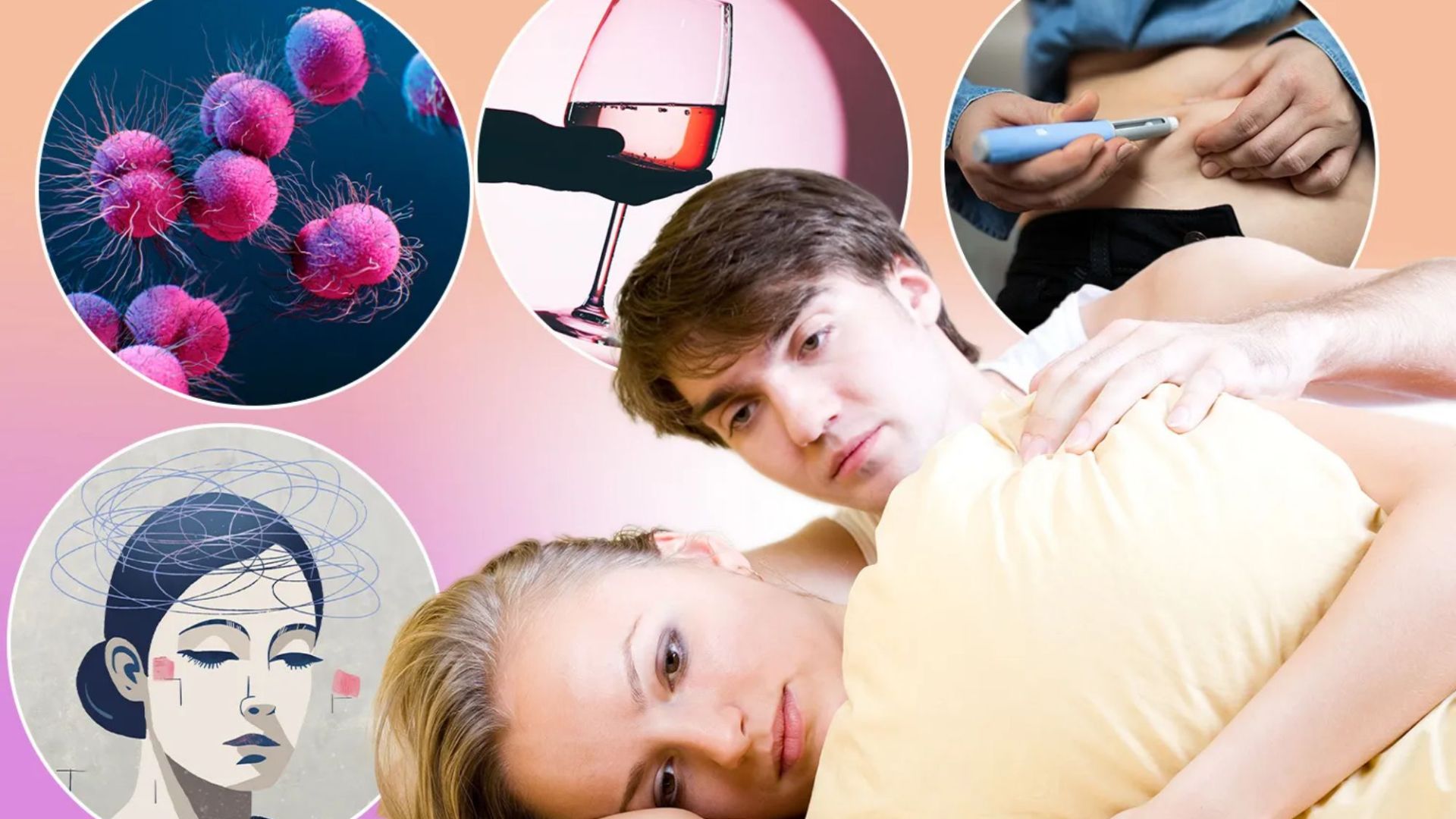
Experiencing pain during sex is a common issue for many women, with over half of women in the UK reporting discomfort at some point in their lives, according to YouGov data. This pain can manifest in various forms, including sharp stings, deep aches, or burning sensations, and can occur in different areas such as the vulva, cervix, or abdomen. With around 57 percent of women affected, it is crucial to understand the underlying causes and when to seek medical advice.
Common Causes of Painful Sex
Dr Sima Al Asad, founder of Dr Sima Aesthetics, emphasizes that painful sex, medically known as dyspareunia, is often linked to identifiable medical conditions. She notes that many women endure discomfort for months or years, unaware that effective treatments are available. The causes can range from infections and hormonal fluctuations to structural changes in the body.
One significant factor is alcohol consumption. Dr Al Asad explains that while a few drinks may enhance libido, alcohol can lead to vaginal dryness and discomfort due to its dehydrating effects. Alcohol reduces blood flow to the genital area, hindering natural lubrication. Women may find that cutting back on alcohol improves their sexual experience, especially during vulnerable phases of their menstrual cycle, such as ovulation or premenstrual syndrome.
Infections also pose a considerable risk. NHS statistics show that in 2024, there were approximately 364,750 new diagnoses of sexually transmitted infections (STIs) in the UK. Common culprits such as chlamydia, gonorrhoea, and herpes can cause significant pain during intercourse. Symptoms may include unusual discharge and itching. Dr Vijay Nayar from Healthium Clinics advises women to visit local sexual health clinics for confidential testing and prompt treatment.
Structural and Hormonal Factors
Another less recognized cause of painful sex is pelvic congestion syndrome (PCS), a condition affecting an estimated 1.5 million women in the UK. This syndrome occurs when faulty veins in the pelvis lead to chronic pain and discomfort. Symptoms include not only pain during sex but also frequent urination and backaches. Sophie Strong, a lead consultant gynaecologist, points out that PCS is often misdiagnosed as endometriosis, leading to prolonged suffering.
Hormonal changes significantly contribute to sexual discomfort as well. Dr Al Asad notes that fluctuations in estrogen levels, whether due to contraception, menopause, or hormone replacement therapy (HRT), can lead to vaginal dryness and a lack of elasticity. This can create feelings of tightness or sharp pain during intercourse. Fortunately, various treatments are available, including lubricants, vaginal moisturizers, and local estrogen therapies.
Weight loss medications, such as Mounjaro and Ozempic, taken by approximately 2.5 million people in the UK, can also affect sexual comfort. Dr Al Asad warns that rapid fat loss may alter the natural support around the vulva, leading to increased friction during sex. While these changes are generally not harmful, they can impact comfort.
Addressing Psychological Factors
Psychological factors play a crucial role in sexual pain. Anxiety, which affects around 37.1 percent of women, can cause involuntary tightening of the pelvic floor muscles, leading to discomfort during intercourse. Relationship stress can exacerbate these issues, making open communication with partners essential. Dr Al Asad suggests that psychosexual therapy or trauma-informed counseling can help address these psychological barriers.
Conditions such as endometriosis, fibroids, and pelvic inflammatory disease (PID) also require attention. Endometriosis, affecting about 10 percent of women globally, can cause severe pain due to abnormal tissue growth outside the uterus. Symptoms can include painful periods and discomfort during sex. Fibroids, benign growths in or around the uterus, can cause similar pain and require medical evaluation for treatment options.
Common Infections and Skin Conditions
Common infections such as thrush, bacterial vaginosis (BV), and urinary tract infections (UTIs) are prevalent among women and can lead to painful experiences during sex. Dr Al Asad explains that thrush, often resulting from an imbalance in the vaginal flora, can cause intense itching and discomfort. BV, caused by a shift in vaginal bacteria, may lead to irritation and soreness. UTIs can result in burning sensations and deep pelvic discomfort.
Moreover, skin conditions like eczema can affect the vulva, causing pain during intercourse due to dryness and irritation. Dr Al Asad advises women to consult their GP for appropriate treatments, including emollients and topical steroids.
In conclusion, painful sex is a multifaceted issue that can stem from various medical, structural, hormonal, and psychological factors. Women experiencing discomfort should not hesitate to seek medical advice. Numerous effective treatments are available, and early intervention can lead to significant improvements in sexual health and overall well-being. Consulting healthcare professionals can provide personalized solutions to enhance comfort and intimacy.