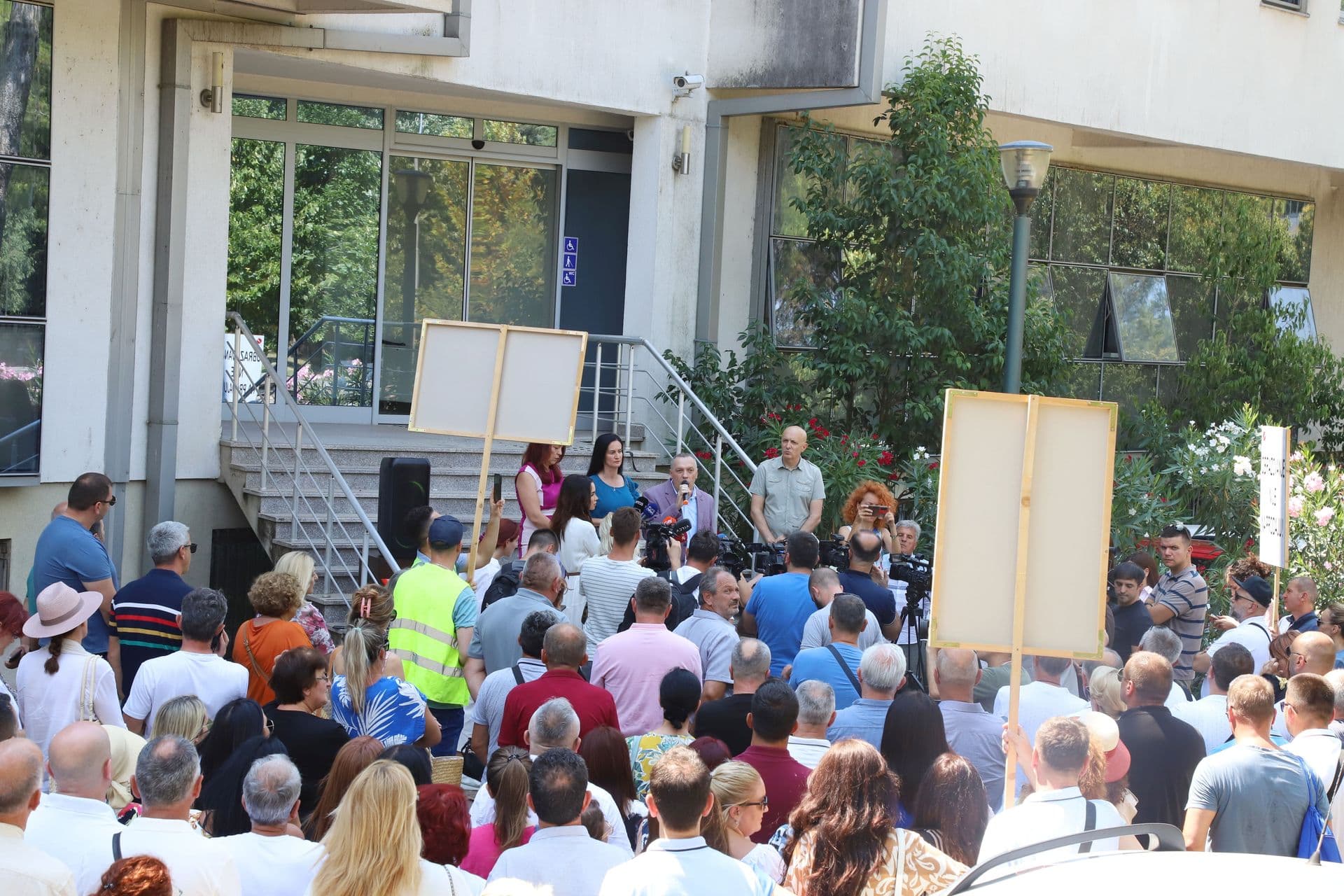
The Union of Free Trade Unions of Montenegro has called for a 10% pay increase for public sector workers, including educators. According to Radomir Božović, President of the Education Union, the government has not yet responded to their proposal despite multiple communications with Prime Minister Milojko Spajić and Minister of Finance Novica Vuković. The lack of a concrete response has raised concerns among union representatives about the future of salary negotiations.
In recent discussions, the union emphasized the need for timely action as the end of the year approaches. Božović stated, “We will not wait long for the government’s reaction, and we expect the Union of Free Trade Unions to make a statement soon.” He highlighted that it is the responsibility of decision-makers to discuss the proposed budget for the coming year within the Social Council, specifically seeking the Minister of Finance’s stance on their initiative.
The union has pointed out that many educators currently earn low salaries, which have been further diminished due to inflation. Božović explained that previous salary increases implemented through the “Europe Now” project have been negated by rising costs. He noted that in some areas, not enough interns have registered for teaching positions because young people are discouraged by the low pay in the education sector.
The proposed salary increase would adjust the calculation coefficient in the General Collective Agreement, which is currently set at €90. The union has requested this amount be raised to €100. Božović highlighted that the average salary in the education sector is around €950, which is approximately 6-7% lower than the national average.
As negotiations continue, Božović warned of potential issues in sectors without a signed General Collective Agreement if changes are not enacted by December 31, 2023. He stated that the lack of clarity about how wages will be calculated is concerning, particularly in service industries such as retail and hospitality.
While the union has received some support from relevant ministries regarding adjustments to the Collective Agreement, the absence of a definitive response from the government remains a point of contention. Božović remarked that educators have faced salary reductions ranging from several euros to €50 since the implementation of a centralized payroll system on July 1. The union successfully negotiated a return to previous salary levels but is now advocating for a further increase.
The union’s leadership has also praised the government’s initiative to provide scholarships for fields facing staff shortages, though Božović expressed concern that new graduates may be disillusioned by the salaries offered in education.
As the situation unfolds, Božović insists that the union will keep the public informed about its next steps and reiterates the urgency of addressing salary issues within the education sector.