In a significant move to streamline its product offerings, Apple has announced the discontinuation of 14 products as it introduces newer models in 2025. This decision reflects the company’s strategy of phasing out older technology to accommodate advancements that enhance user experience and maintain its competitive edge in the fast-paced tech market.
Major iPhone Changes
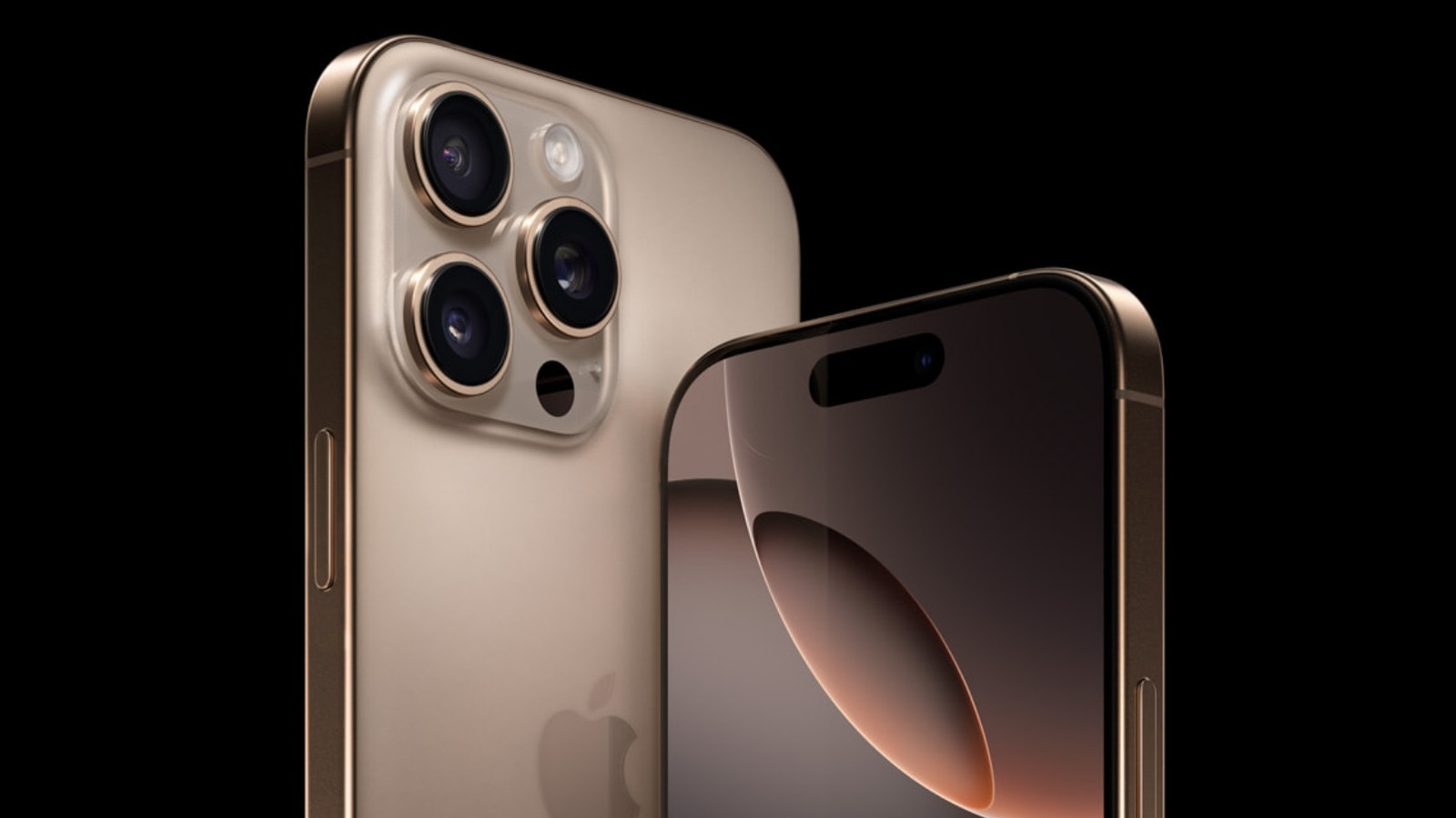
Among the most notable discontinuations are the previous generation flagship models: the iPhone 16 Pro and iPhone 16 Pro Max. These devices, featuring large 6.9-inch displays and powered by the A18 Pro chip, have been replaced following the launch of the iPhone 17 series. The updated models offer a range of upgraded features that elevate their performance and functionality, making the older versions less appealing to consumers.
Additionally, Apple has eliminated its entire iPhone Plus line, which catered to users desiring larger screens at a more affordable price. The new iPhone 17 Air is designed to be thinner and lighter, but it sacrifices some performance capabilities in favor of its sleek design.
Tablet and Wearable Adjustments
The tech giant has also discontinued the iPad 10, which was initially launched in 2022. The discontinuation followed the introduction of the iPad 11, which offers minor improvements including the transition from the A14 to the A16 chip. While both tablets share similar dimensions and features, the upgrade enhances performance, particularly for gaming and demanding applications.
In the wearable segment, the Apple Watch Series 10 has been phased out in favor of the Apple Watch Series 11. The latest model includes enhancements such as improved scratch resistance and 5G connectivity. Apple has also replaced the second-generation Apple Watch SE with the Apple Watch SE 3, while the Apple Watch Ultra 2 has been succeeded by the Ultra 3, which boasts significant upgrades including a faster chip and enhanced display.
Mac and Accessory Updates
On March 5, 2025, Apple discontinued two iterations of the MacBook Air, which utilized the M2 and M3 chips, following the launch of the new M4 models priced at $999 for the 13-inch variant and $1,199 for the 15-inch. This decision aligns with Apple’s strategy to streamline its product lineup while maintaining competitive pricing.
The same day also marked the end of two Mac Studio computers powered by the M2 Max and M2 Ultra chips, as newer models surpassed their capabilities, making them redundant in the current market.
In addition to larger devices, Apple has also bid farewell to smaller accessories. The AirPods Pro 2 were discontinued in September 2025, following the release of the AirPods Pro 3. The new earbuds retain the same price of $249 but offer enhancements such as improved noise-canceling technology and better battery life.
Despite the excitement surrounding these new releases, some users have reported issues with the AirPods Pro 3, including rare incidents of ear bleeding, which may be linked to the new heart rate monitoring system or design changes. Apple has yet to respond to these claims officially.
As Apple continues to innovate and refine its product offerings, the discontinuation of older models highlights the company’s commitment to providing cutting-edge technology while managing its expansive product portfolio.