At the heart of Birmingham’s escalating homelessness crisis lies the story of a mother grappling with uncertainty for herself and her children. Mechelle, a 46-year-old mother of three, is currently living in temporary accommodation with her youngest son, Will. This arrangement, provided by Birmingham City Council, highlights the alarming trend of families facing homelessness in England, as over 132,000 households now reside in similar precarious situations.
Mechelle’s journey into homelessness began when her son’s health deteriorated, making it increasingly difficult for her to balance work and family life. After leaving her rented social home in Cornwall to return to Birmingham for support, conflicts with family members pushed her into the streets. Initially deemed “intentionally homeless” by the council, she and her children spent a harrowing week sleeping in their car before receiving help from the charity Crisis.
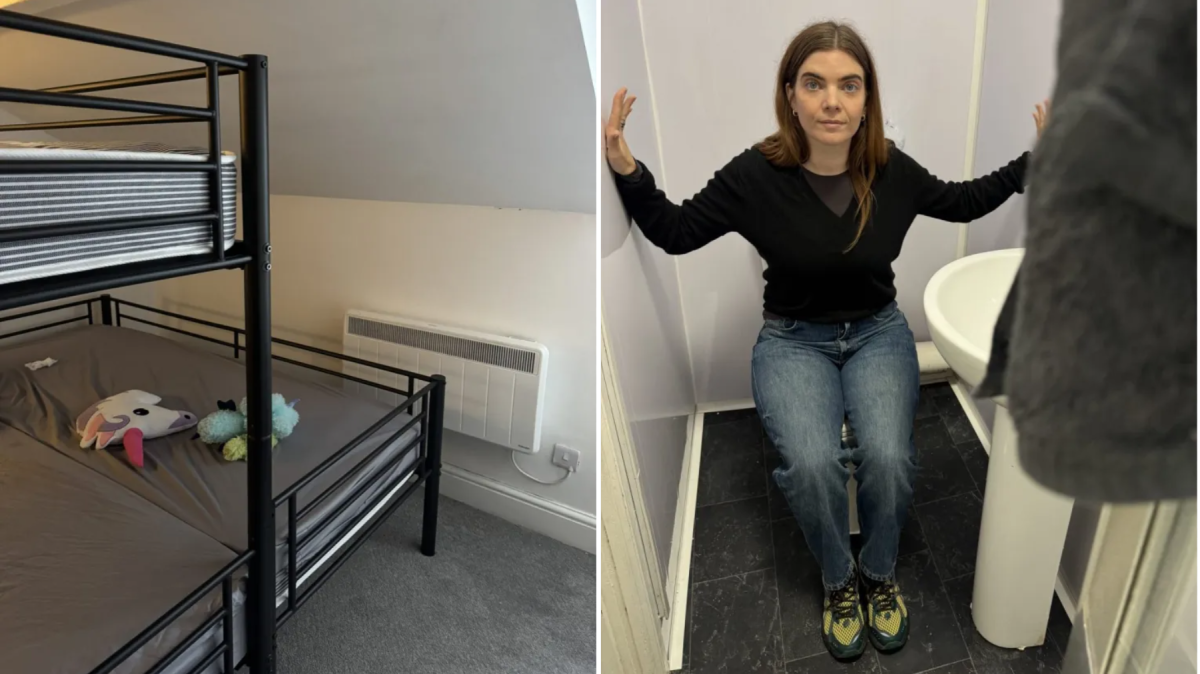
Crisis stepped in, aiding Mechelle in navigating the complexities of securing temporary housing. The council’s temporary accommodation, while warm and dry, is hardly sufficient for a family of four. It is cramped, with a tiny bathroom that complicates daily routines. The only semblance of stability is the roof over their heads, but the fear of becoming homeless again looms large as Mechelle awaits a decision from the council regarding her long-term housing options.
The Growing Homelessness Crisis in Birmingham
Birmingham City Council is currently under immense pressure, grappling with a significant increase in homelessness among families. The city has approximately 24,000 households on its social housing waiting list and spends nearly £52 million annually on temporary accommodation. The overall expenditure for English councils on temporary housing has reached an alarming £1.7 billion each year.
The situation is exacerbated by rising living costs, which have disproportionately affected lower-income families. The recent government announcement of a new homelessness strategy aims to reduce the number of families living in temporary accommodation, yet organizations like Crisis warn that without substantial funding or an increase in social housing availability, this goal remains out of reach.
Nicky Brennan, the cabinet member for housing and homelessness at Birmingham City Council, acknowledged the challenges during an interview. “The demand in Birmingham at the moment is unprecedented,” she stated, emphasizing the council’s commitment to working diligently with families in need. However, the gap between demand and available resources continues to widen, leaving families like Mechelle’s in a precarious limbo.
Impact on Families and Children
The emotional toll of homelessness on children is profound. Mechelle’s son, Will, who is just three years old, represents one of the 172,000 children living in temporary accommodation across England. These children often face emotional distress and instability, factors that can severely impact their development and well-being.
Mechelle’s experience illustrates how quickly a family can slip into homelessness. The shame and stigma surrounding such situations often deter individuals from seeking help, perpetuating a cycle of despair. Despite her circumstances, Mechelle exhibits resilience, hoping for a brighter future for her children.
As the holiday season approaches, the uncertainty of her situation casts a shadow over what should be a time of joy. Mechelle continues to live day-to-day, holding on to the hope that Birmingham City Council will provide the clarity she desperately needs. She, like many others, finds herself in a system that is often overwhelmed and under-resourced.
In a world where housing security is increasingly fragile, stories like Mechelle’s are a stark reminder of the urgent need for comprehensive solutions to address homelessness. As families wait for help, the situation calls for immediate action to ensure that no family is left without a home.