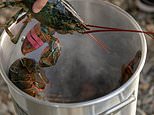
BREAKING: The Labour Party has just announced a ban on boiling lobsters and crabs alive, a controversial practice deemed “not acceptable” under its new animal welfare strategy unveiled today, December 22, 2025. This urgent move comes amid rising concerns over the treatment of crustaceans, which are now recognized as sentient beings capable of feeling pain.
The ban extends beyond lobsters and crabs to include other decapods such as shrimp and prawn, as well as cephalopods like squid and octopus. Environment Secretary Emma Reynolds emphasized that the UK is “a nation of animal lovers,” asserting that this legislation represents the “most ambitious animal welfare strategy in a generation.”
The new regulations are a direct response to legislation passed by the Conservative Party in 2022, which established that these marine animals experience pain and suffering. Reynolds stated, “It is time we treat them with the respect they deserve.”
However, this swift regulatory change has sparked outrage within the shellfishing community. Industry leaders warn that the ban could significantly increase operational costs and threaten the live shellfish trade. David Jarrad, chief executive of the Shellfish Association of Great Britain, expressed concerns that potential buyers may not pay for live crabs or lobsters if they are already dead. Jarrad cautioned, “If restaurants and hotels refuse to invest in stunning equipment, which costs about £3,500, they may turn to frozen imports instead.”
The proposed humane methods for dispatching these creatures include freezing and electrical stunning. Dr. Ben Sturgeon, chief executive of Crustacean Compassion, highlighted the need for humane practices, stating, “Placing live crabs and lobsters into boiling water inflicts excruciating pain. Alternatives exist that ensure swift, painless deaths.”
As the animal welfare strategy continues to develop, it includes plans to ban trail hunting and tighten protections against cruel breeding practices, such as puppy farming. This multifaceted approach aims to improve animal welfare across the board, building on previous legislative efforts.
The implications of this ban extend far beyond ethical considerations; they affect the livelihoods of numerous businesses. As the government prepares to issue guidelines on humane dispatch methods, stakeholders in the shellfish industry are left grappling with the immediate consequences of this significant policy shift.
As this story develops, all eyes will be on the reactions from restaurateurs, chefs, and consumers alike. Will the new regulations lead to a shift in consumer attitudes towards shellfish? Time will tell as the UK embarks on this new path towards enhanced animal welfare. Stay tuned for more updates on this unfolding situation.